Greek Warfare and Military History (Continued)
Introduction
Warfare in Ancient Greece evolved over centuries, shaped by geography, city-state rivalry, and military innovation. As conflicts intensified—especially during the Classical period—Greek armies developed more complex tactics, naval strategies, and professional military systems.
The Hoplite Phalanx in Action
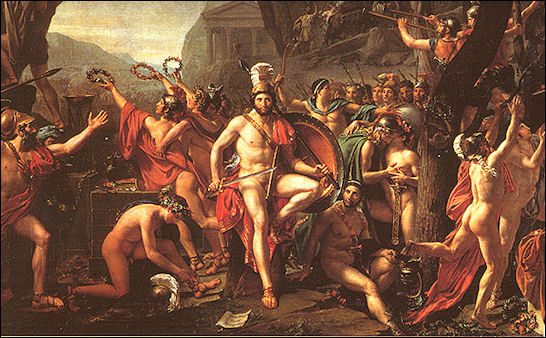
The backbone of Greek warfare remained the hoplite phalanx.
Formation Features:
Soldiers stood in tight ranks
Each man carried a large shield (aspis)
Spears overlapped for collective defense and attack
Unity and discipline were more important than individual skill
\text{Phalanx cohesion} \rightarrow \text{effectiveness increases with density and alignment}
Even a well-trained phalanx depended heavily on maintaining formation under pressure.
Strengths and Weaknesses:
Extremely powerful in open-field battles
Vulnerable on uneven terrain
Difficult to maneuver quickly
Cavalry and Light Troops
Although hoplites dominated, other forces played growing roles:
Cavalry
Used by wealthier citizens
Provided speed and mobility
Effective for flanking and pursuit
Light Infantry (Peltasts)
Armed with javelins and light shields
More mobile than hoplites
Used for harassment and skirmishing
These troops became increasingly important in later wars.
Naval Warfare and Sea Power
Sea power became crucial, especially for cities like Athens.
Triremes
Fast, narrow warships
Powered by rows of oarsmen
Designed for ramming enemy ships
Naval Strategy:
Controlling sea routes meant controlling supplies
Naval battles often decided major wars
Coastal raids disrupted enemy economies
Athens’ strength depended heavily on its navy during the Peloponnesian War.
The Peloponnesian War (431–404 BCE)
One of the most important conflicts in Greek history was the Peloponnesian War.
Key Features:
Athens (naval empire) vs Sparta (land power)
Long, exhausting conflict
Combined land battles, sieges, and naval warfare
Ultimately ended in Spartan victory
This war reshaped Greek politics and weakened many city-states.
Siege Warfare Developments
As warfare evolved, sieges became more common:
Cutting off supplies to enemy cities
Building walls and counter-walls
Attempting to starve opponents into surrender
Early use of siege engines in later periods
Siege warfare became more important than direct battlefield combat.
Professionalization of Armies
Over time, Greek warfare became more professional:
Increased use of paid soldiers (mercenaries)
Decline of purely citizen militias
Longer campaigns requiring trained troops
Rise of commanders with strategic expertise
This shift was especially visible in the late Classical period.
Spartan Military System
Sparta remained the most militarized Greek city-state:
Rigorous training system (agoge)
Lifelong military service for male citizens
Focus on discipline and endurance
Elite reputation in land warfare
Sparta’s system influenced military ideals across Greece.
Tactical Innovations
Greek commanders developed new strategies:
Combined arms tactics (infantry, cavalry, naval forces)
Use of deception and surprise attacks
Defensive positioning rather than open confrontation
Adaptation to terrain advantages
These innovations helped expand military effectiveness.
Legacy of Greek Warfare
Greek military systems influenced later civilizations:
Roman military organization
European infantry formations in later centuries
Naval warfare concepts (ramming, fleet coordination)
Strategic military theory
Greek warfare became a foundation for Western military history.
Conclusion
Greek warfare evolved from simple citizen militias into complex systems involving phalanxes, naval power, cavalry, and professional soldiers. Conflicts like the Peloponnesian War demonstrated both the strengths and weaknesses of Greek city-states. Their military innovations had a lasting impact on later civilizations and remain important in the study of ancient warfare.