Drug-resistance costs rich nations extra $29 billion a year
Drug-resistant microbes exact a heavy toll: They claim 79,000 lives a year across 34 Organisation for Economic Co-operation and Development (OECD) and EU/EEA (European Union/European Economic Area) countries and ratchet up annual medical costs by an average of about $28.9 billion, the Organisation for Economic Co-operation and Development said.
If left unchecked, resistance to last-resort drugs could be more than twice as bad by 2035 in the OECD compared to 2005 levels, the Paris-based organization said in a report Thursday.
The ballooning calamity would leave more patients without effective cures for pneumonia, bloodstream infections and a range of other illnesses.
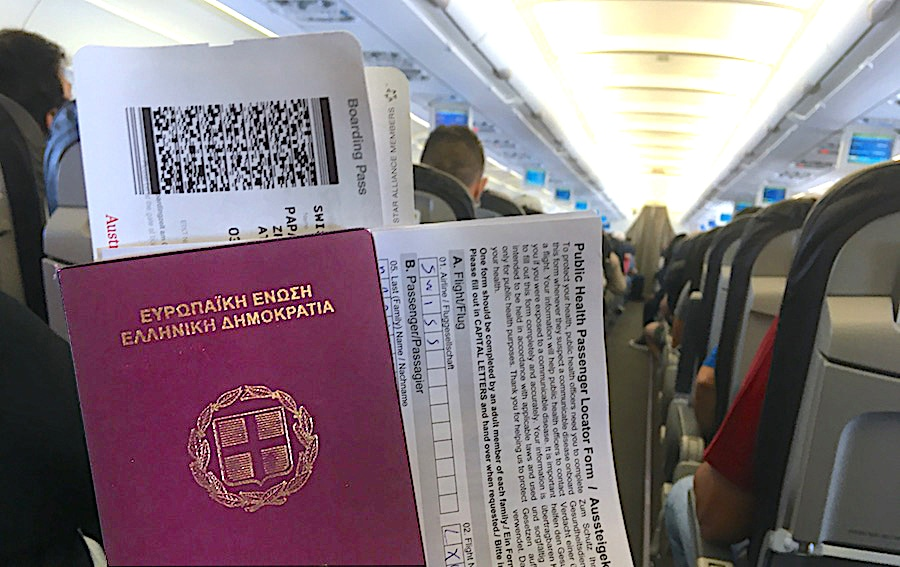
The prevalence of hard-to-treat, hospitalisation-prolonging infections is already “dangerously high” in Greece, India, Turkey and some other nations, the OECD said. In these countries, more than 40 per cent of all infections caused by a dozen key pathogens are predicted to evade antibiotic therapy by 2035.
The 377-page report details the health and economic costs of hard-to-treat germs and offers recommendations for tackling the global health threat.
In humans, average sales of all classes of antibiotics have increased almost 2 per cent annually since 2000 “- and more than a third of OECD countries don’t meet a target set by the World Health Organization. If trends continue, the use of antibiotics in people won’t decrease significantly until at least 2035, the report said.
In animals, the use of antimicrobials halved across OECD countries from 2000 to 2019, and usage is projected to drop a further 10% by 2035. But the majority of sales of these veterinary medicines occurs in developing nations.
The sale of antimicrobials for animal use in G20 countries is predicted to be almost double that of the OECD average by 2035. China was the largest user of the drugs in food animals in 2017, accounting for almost half of the global total, the report said.