A Remarkable Discovery Amidst Destruction
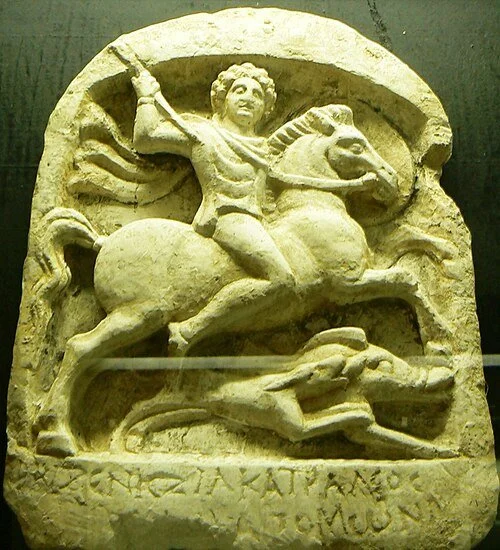
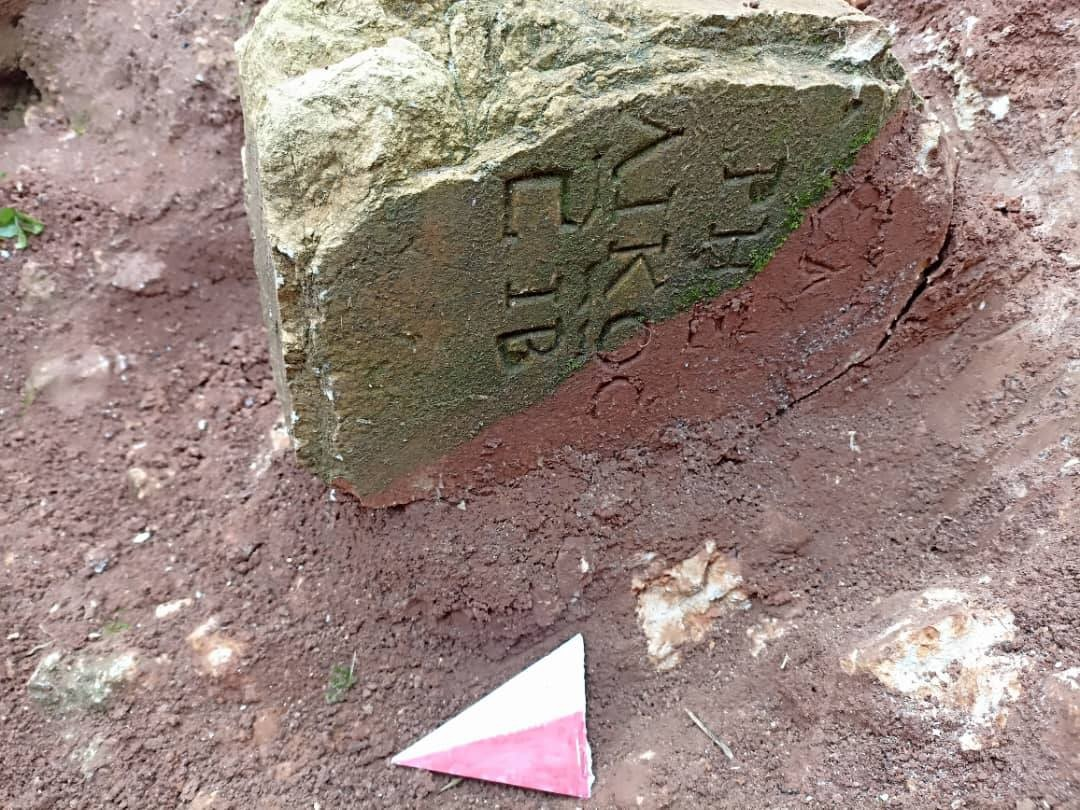
In an extraordinary turn of events, the aftermath of Storm Daniel has led to a groundbreaking archaeological discovery in Libya. Following the devastating floods that swept through the ancient Greek city of Cyrene, a limestone funerary stele was uncovered in the northern section of the city’s cemetery. The Libyan Department of Antiquities has officially confirmed the find, emphasizing its historical significance.
Unveiling the Past: A Greek Inscription Revealed
The torrential rains and floodwaters triggered by Storm Daniel in 2023 exposed numerous ancient artifacts across Cyrene and the nearby city of Derna. Among these, one of the most remarkable discoveries was the Greek funerary stele, shedding light on the city’s rich Hellenistic past. The inscription, confirmed to be in Greek, provides valuable insight into the burial customs and cultural influence of ancient Greece in North Africa.
Following its discovery, images of the stele quickly spread on social media, prompting the Libyan Department of Antiquities to take immediate action. A dedicated archaeological team was dispatched to the site for a detailed examination and preservation effort. The stele has since been carefully transported for further study, with excavation efforts continuing in the area to uncover additional artifacts.
Cyrene: A Hub of Ancient Greek Civilization
Located in present-day Shahat, Libya, Cyrene was a prominent Greek colony founded in the 7th century BCE. Over time, it flourished into a major intellectual, cultural, and economic center of the ancient Mediterranean world. Recognized as a UNESCO World Heritage Site, Cyrene is home to some of the most significant remnants of Greek antiquity, including temples, theaters, and stadiums.
One of its most iconic landmarks, the Temple of Apollo, stands as a testament to the city’s grandeur. This ancient sanctuary, considered one of the largest Greek temples of its time, further cements Cyrene’s importance in the classical world. The city continued to prosper under Roman rule, leaving behind an extensive collection of artifacts that reflect its diverse and prosperous history.
The Importance of Responsible Archaeological Reporting
In light of this discovery, the Libyan Department of Antiquities has urged the public to refrain from sharing unverified archaeological information on social media. Authorities stress that preserving the integrity of these findings is essential for historical research and public interest. Unauthorized dissemination of such discoveries could compromise ongoing investigations and the proper documentation of Libya’s rich cultural heritage.
Looking Ahead
As excavation efforts continue, archaeologists anticipate further revelations that could enhance our understanding of Cyrene’s past. This recent find underscores the ongoing importance of archaeological preservation and the unpredictable ways in which history can resurface—even in the wake of natural disasters. With experts closely monitoring developments, the world eagerly awaits the next chapter in this fascinating rediscovery of ancient Greek civilization in North Africa.