The myth of Prometheus and the creation of mankind is one of the most influential traditions associated with Greek mythology.
Prometheus is portrayed as a divine figure who becomes humanity's benefactor, protector, and sometimes creator.
The details vary between ancient sources. Some traditions credit Prometheus with shaping humans from earth, while others focus primarily on his theft of fire and his efforts to improve human existence.
Together, these stories establish Prometheus as a symbol of intelligence, technological progress, rebellion, and sacrifice.
Who Was Prometheus?
Prometheus was a Titan, the son of Iapetus.
His name is often associated with forethought or advance planning.
His defining characteristic is intelligence.
Unlike many mythological figures who rely on physical strength, Prometheus solves problems through knowledge and deception.
Creating Humans From Earth
One influential tradition describes Prometheus as shaping humans from clay or earth.
He molded human bodies and gave them form.
The myth connects humanity with the earth itself.
This concept appears in many cultures, where human beings are imagined as emerging from soil or clay.
Athena and the Human Form
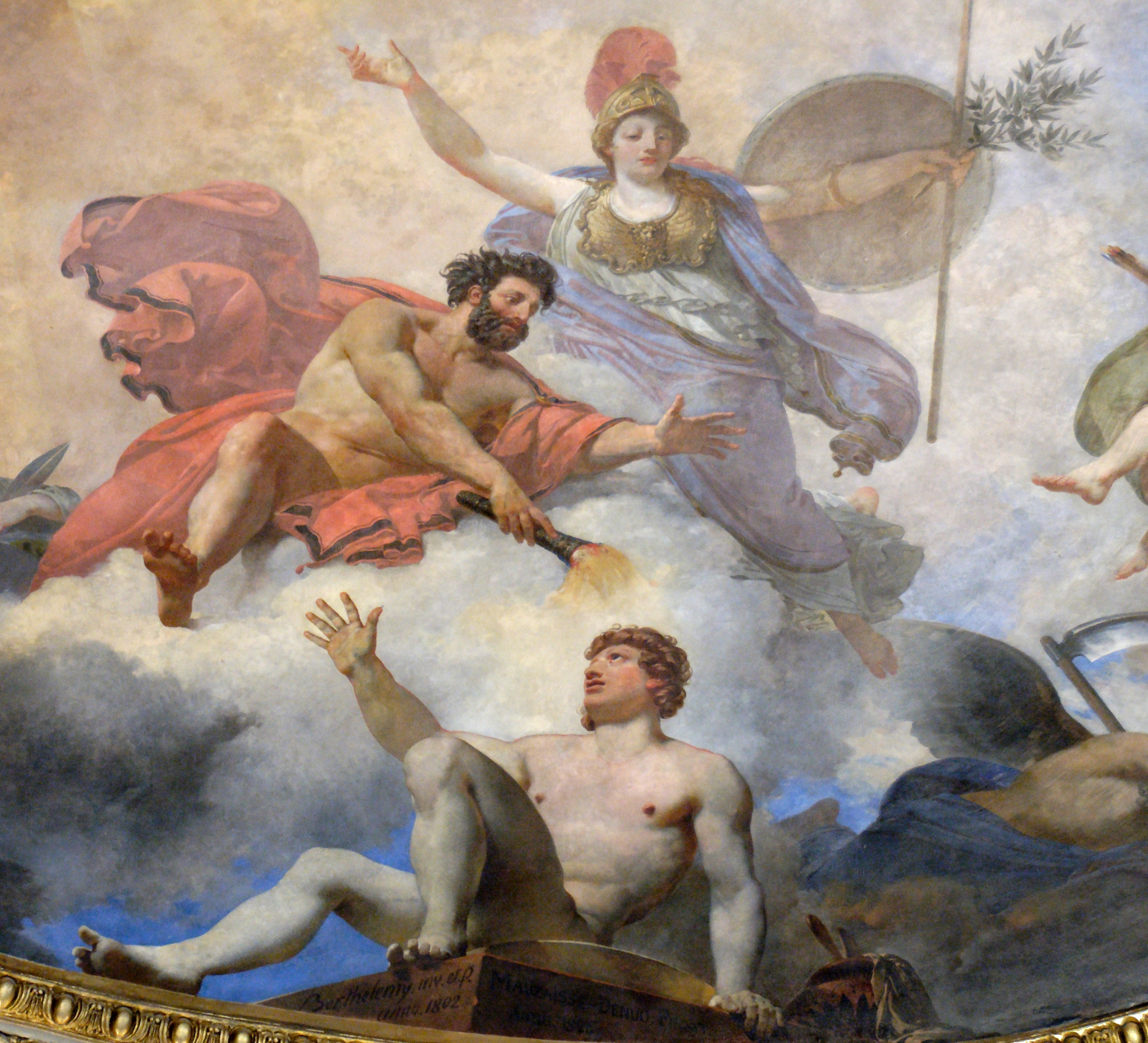
Some versions connect Athena with Prometheus' creation.
The goddess may have helped animate or empower the human figures.
This combines Prometheus' craftsmanship with divine power.
Humanity's Weakness
Humans were initially portrayed as vulnerable creatures.
Unlike many animals, they lacked:
claws;
fangs;
thick fur;
speed;
or powerful natural weapons.
Their survival depended upon intelligence.
The Gift of Fire
Prometheus recognized humanity's vulnerability.
He stole fire from the gods and gave it to humans.
Fire transformed human existence.
It allowed people to:
cook food;
produce metal;
create pottery;
provide warmth;
illuminate darkness;
and develop technologies.
Why Fire Was Sacred
Fire represented civilization.
It transformed raw materials into useful objects.
A stone could become a weapon.
Clay could become pottery.
Metal ore could become tools.
Food could become easier to digest.
Fire therefore represented technological knowledge.
Zeus' Anger
Zeus was furious with Prometheus.
The theft of fire violated the boundary between gods and humans.
Prometheus had given humanity access to a power that belonged to the divine realm.
The Punishment
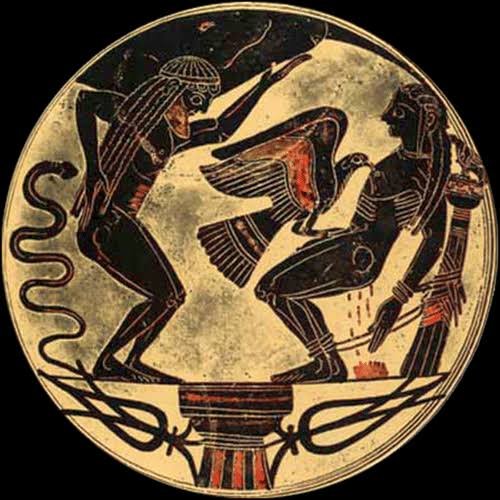
Zeus ordered Prometheus to be chained to a mountain.
An eagle repeatedly consumed his liver.
Because Prometheus was immortal, the organ regenerated.
The punishment continued indefinitely.
Pandora
Prometheus' story is also connected to the creation of Pandora.
According to Hesiod, Zeus ordered the gods to create Pandora as part of a punishment for humanity.
Pandora was given extraordinary gifts by the gods and eventually became associated with the release of suffering into the human world.
Knowledge and Consequences
The Prometheus myth contains an important paradox.
Knowledge improves human life but can also create new dangers.
Fire provides:
warmth;
food;
technology;
but it can also produce:
destruction;
weapons;
and uncontrolled power.
Prometheus as a Cultural Hero
Prometheus became an archetype of the rebellious benefactor.
He is willing to challenge divine authority for the sake of humanity.
This makes him fundamentally different from obedient heroes.
Modern Interpretations
Modern writers frequently interpret Prometheus as representing:
scientific discovery;
technological progress;
intellectual freedom;
rebellion against authority;
and human ambition.
Mary Shelley's Frankenstein, for example, carries the subtitle The Modern Prometheus, reflecting these themes.
Conclusion
The Creation of Mankind According to Prometheus presents humanity as a creature made vulnerable but empowered through intelligence.
Prometheus' gift of fire transforms human existence and establishes the relationship between knowledge and responsibility.
The myth ultimately asks a timeless question:
How much power should humanity possess, and what are the consequences of acquiring knowledge that was once reserved for the gods?