The Tale of Cyrene: The Huntress Turned Queen tells the story of a remarkable woman whose courage and independence distinguish her from many female figures in Greek mythology.
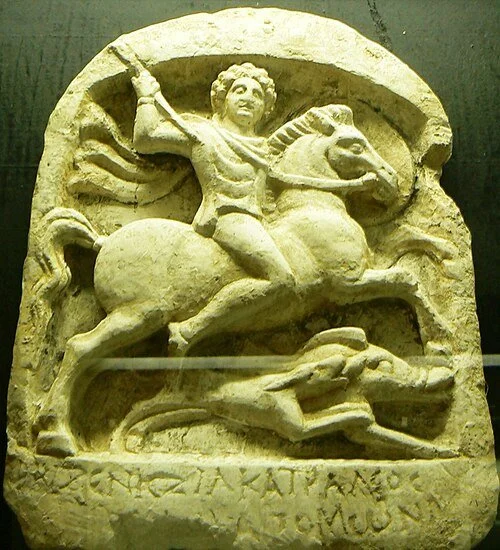
Cyrene was famous for her skill in hunting and her fearlessness in confronting wild animals.
Her story eventually connects her with Apollo and the founding of the North African city of Cyrene.
Cyrene the Huntress
Cyrene was associated with Thessaly.
She was particularly skilled at hunting.
Unlike women in many mythological stories who are primarily defined through marriage, Cyrene is introduced through her physical independence and courage.
Fighting the Lion
According to the tradition, Cyrene once fought a lion with her bare hands.
Apollo witnessed her bravery.
He became fascinated by her.
Apollo and Cyrene
Apollo carried Cyrene away to North Africa.
There, according to myth, he established her in a region that eventually became known as Cyrene.
The City of Cyrene
The city of Cyrene became one of the most important Greek settlements in North Africa.
It was founded in the seventh century BCE according to historical tradition.
The myth provided a divine explanation for the city's name and origins.
Aristaios
Cyrene became the mother of Aristaeus, associated with agriculture, beekeeping, and rural knowledge.
Her relationship with Apollo therefore connected her descendants with important aspects of Greek civilization.
A Female Hero
Cyrene's mythology is notable because she is not presented primarily as helpless.
She is:
physically powerful;
independent;
skilled;
adventurous;
and connected with wilderness.
Greek Colonization
The story also reflects how Greek communities created myths explaining the foundation of colonies.
A city established in a foreign land could be connected to:
Greek gods;
Greek heroes;
legendary founders;
and divine ancestry.
Conclusion
The Tale of Cyrene demonstrates how mythology could connect heroic individuals with the origins of cities.
Cyrene's identity as a huntress emphasizes strength and independence, while her relationship with Apollo and her role as mother of Aristaeus connect her to agriculture, divine power, and civilization.
Her legend became part of the foundation story of one of the ancient Greek world's most important North African cities.