
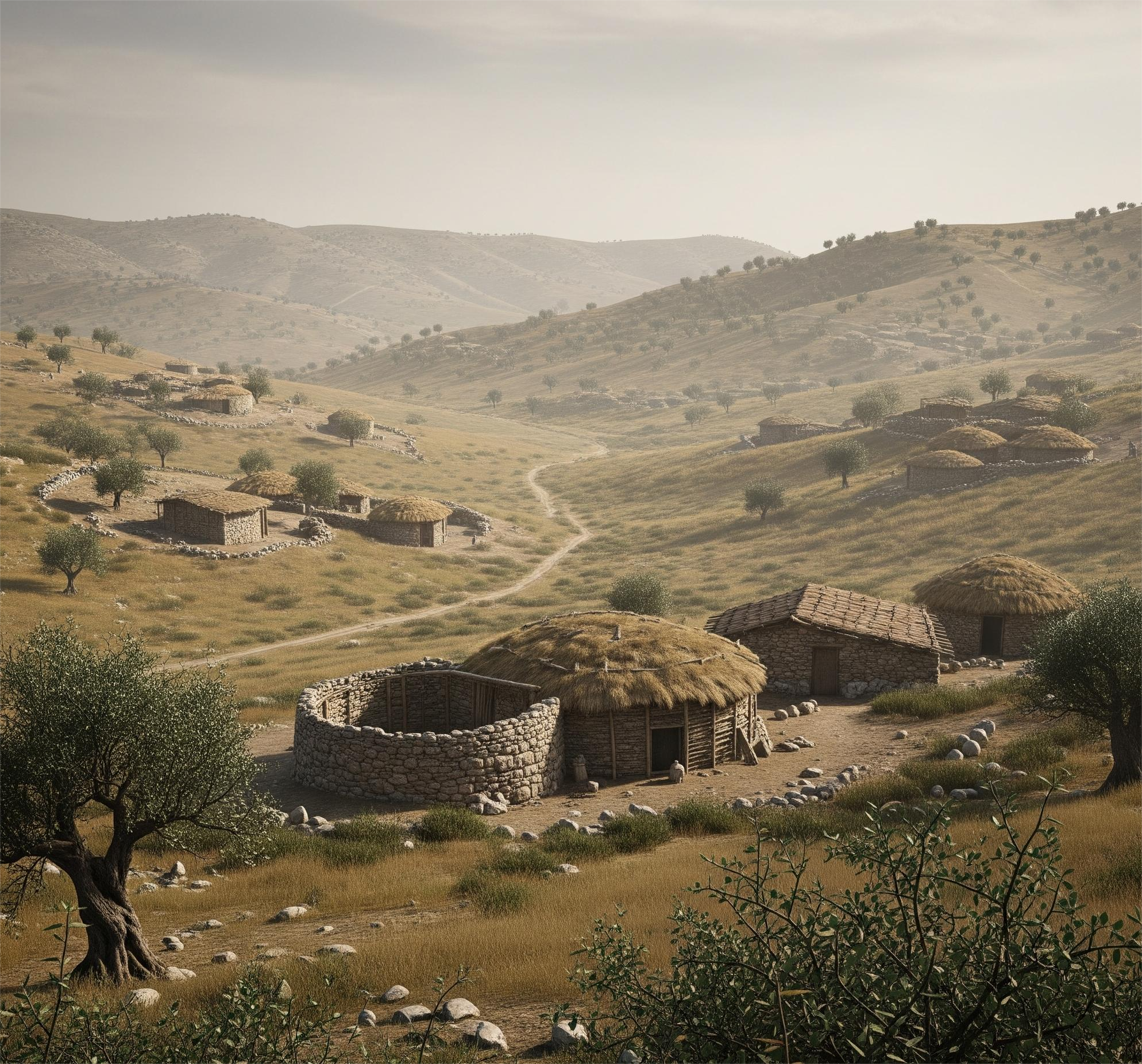
The Dark Ages of Greece, spanning from approximately 1100 to 800 BCE, marked a turbulent yet transformative period in ancient Greek history. It followed the catastrophic fall of the Mycenaean civilization—a collapse often attributed to a combination of internal decline, natural disasters, and the enigmatic Sea Peoples. The era is termed "dark" not because it lacked activity but due to the scarcity of written records, which makes reconstructing its events challenging for historians.
After the Mycenaean palaces were abandoned, Greek society regressed into smaller, isolated agrarian communities. The Linear B writing system, used for administrative purposes in the Mycenaean period, vanished entirely, and literacy disappeared. Monumental architecture ceased, long-distance trade networks shrank, and population levels dropped significantly.
However, it was not a period of complete cultural stagnation. During these centuries, Greeks began to develop the political, social, and cultural frameworks that would define their classical civilization. Oral traditions flourished, preserving stories that would eventually be immortalized in epic poetry, such as Homer’s Iliad and Odyssey. By the end of the Dark Ages, a distinct Greek identity had emerged, paving the way for new institutions like the polis and innovations in governance.


