When people think of ancient Greek mythology, the first names that often come to mind are Zeus, Athena, or Apollo. But behind the popular pantheon of gods lies a complex world of divine politics, family feuds, elemental forces, and moral contradictions. Known collectively as the Twelve Olympians, these gods formed the core of Greek religion, art, and cultural identity.
But who were they really? What did they represent? And why were they worshipped by millions across the ancient Mediterranean world?
Let’s dive into the origins, personalities, and roles of the twelve Olympian gods—and uncover the real stories behind these legendary deities.
What Does “Olympian” Mean?
The term "Olympian" refers to the gods who were believed to dwell on Mount Olympus, the highest peak in Greece. It wasn’t just a physical mountain; Olympus was imagined as a celestial palace of divine splendor, where the gods lived in immortal harmony (when they weren’t arguing or fighting each other, of course).
Although the list of Olympians could sometimes vary—Hestia was occasionally replaced by Dionysus—the canonical twelve generally included the most powerful and widely worshipped gods of the ancient Greek world.
The Twelve Olympian Gods: A Deep Dive
1. Zeus – King of the Gods, Ruler of the Sky
Symbols: Thunderbolt, eagle, oak tree
Domains: Sky, weather, law, order, fate
Personality: Powerful, authoritative, but notoriously unfaithful
As the youngest son of the Titan Cronus, Zeus overthrew his father and led the gods in victory over the Titans. He became the supreme deity, maintaining order from his throne on Olympus. But Zeus wasn’t a morally upright god—his numerous love affairs (many involving deception) caused divine and mortal chaos alike.
2. Hera – Queen of the Gods, Goddess of Marriage
Symbols: Peacock, cow, wedding ring
Domains: Marriage, family, childbirth
Personality: Proud, vengeful, protective of women
Hera was both the sister and wife of Zeus, and she often took out her jealousy not on her husband—but on his lovers and their children. Despite this, she was also revered as a powerful protector of women and marriage.
3. Poseidon – God of the Sea and Earthquakes
Symbols: Trident, horse, dolphin
Domains: Oceans, rivers, earthquakes, horses
Personality: Moody, vengeful, commanding
Zeus’s brother, Poseidon ruled over the seas. Sailors and coastal cities worshipped him for safe voyages. He was known to stir the oceans in anger, causing storms and shipwrecks—but also credited with creating horses and taming the wild.
4. Demeter – Goddess of Agriculture and Fertility
Symbols: Sheaf of wheat, cornucopia, torch
Domains: Harvest, fertility, seasons
Personality: Nurturing, protective, sorrowful
Demeter governed the growth of crops and fertility of the earth. Her grief over her daughter Persephone’s abduction by Hades explained the changing seasons in myth. When Persephone was in the Underworld, Demeter’s sorrow turned the world barren—thus, winter was born.
5. Athena – Goddess of Wisdom and War Strategy
Symbols: Owl, olive tree, armor
Domains: Wisdom, crafts, strategy, justice
Personality: Rational, disciplined, wise
Born fully armored from Zeus's head, Athena represented a balance of intellect and strength. Unlike Ares, she approached war with logic and foresight. As the patron goddess of Athens, she symbolized civilization, justice, and invention.
6. Apollo – God of the Sun, Music, and Prophecy
Symbols: Lyre, laurel wreath, sun
Domains: Light, music, poetry, healing, oracles
Personality: Charismatic, artistic, sometimes arrogant
Apollo embodied harmony, order, and reason. He presided over the famous Oracle at Delphi, where mortals sought guidance from the gods. He was also known for tragic love stories—many of which ended in death or transformation.
7. Artemis – Goddess of the Hunt and the Moon
Symbols: Bow and arrow, deer, crescent moon
Domains: Wilderness, animals, childbirth, chastity
Personality: Independent, fierce, protective
Twin sister of Apollo, Artemis chose to remain a virgin goddess, protecting young girls and wild animals. She was revered by hunters and often appeared in myths defending the innocent—sometimes with deadly results.
8. Ares – God of War and Violence
Symbols: Spear, vulture, helmet
Domains: Battle, aggression, bloodlust
Personality: Brutal, impulsive, fearless
Unlike Athena’s strategic warfare, Ares thrived in the chaos and bloodshed of battle. He wasn’t universally loved by the Greeks, but he had a strong cult in Sparta. His affair with Aphrodite—despite her marriage to Hephaestus—is one of mythology’s most infamous scandals.
9. Aphrodite – Goddess of Love and Beauty
Symbols: Rose, dove, seashell
Domains: Love, sexuality, desire
Personality: Seductive, passionate, manipulative
Born from sea foam (after Uranus’s castration), Aphrodite had the power to make gods and mortals fall in love. Though married to Hephaestus, she had numerous affairs, most notably with Ares and the mortal Adonis. She represented both the joy and the chaos of love.
10. Hephaestus – God of Fire and Forge
Symbols: Hammer, anvil, volcano
Domains: Metalworking, craftsmanship, invention
Personality: Skilled, creative, physically flawed
The only Olympian said to be “ugly,” Hephaestus was either thrown from Olympus by Hera or Zeus. Yet he became the divine blacksmith, crafting weapons, palaces, and even automatons for the gods. Despite being married to Aphrodite, he was often humiliated by her affairs.
11. Hermes – Messenger of the Gods, God of Trade and Trickery
Symbols: Winged sandals, caduceus, tortoise
Domains: Communication, travel, commerce, thievery
Personality: Witty, fast, cunning
Hermes was the fleet-footed messenger who moved between Olympus, Earth, and the Underworld. He guided souls after death and invented the lyre as a baby. As a trickster and clever negotiator, Hermes was worshipped by merchants, travelers, and gamblers.
12. Hestia (or Dionysus) – Goddess of the Hearth (or God of Wine)
Hestia’s Symbols: Hearth, flame, kettle
Dionysus’ Symbols: Grapevine, theater masks, thyrsus
Hestia’s Domains: Home, domesticity, peace
Dionysus’ Domains: Wine, ecstasy, theater, chaos
Hestia, the oldest Olympian, embodied home and family. She gave up her seat among the Twelve to avoid conflict, showing her peaceful nature.
Dionysus, often seen as her replacement, was the god of intoxication and divine madness. He was also associated with rebirth and transformation—his cult became central to Greek theater and ritual worship.
The Olympians in Daily Life
The Twelve Olympians weren’t just mythological characters—they were deeply embedded in everyday Greek life. Each city-state had patron gods. People offered sacrifices, held festivals (like the Olympic Games, in honor of Zeus), and built elaborate temples.
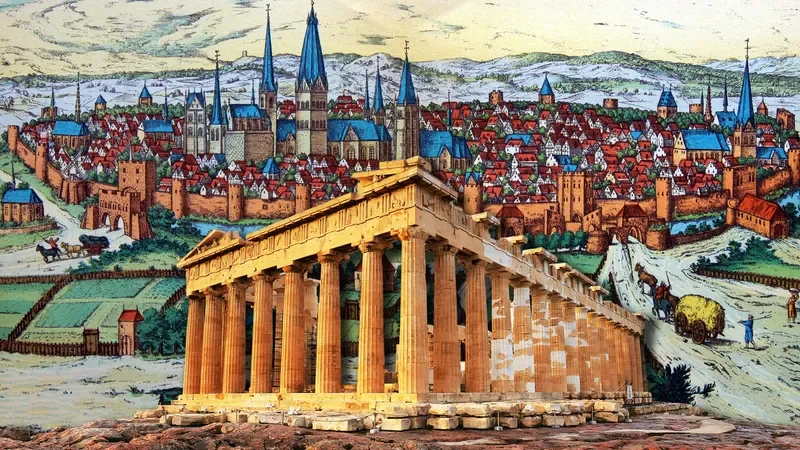
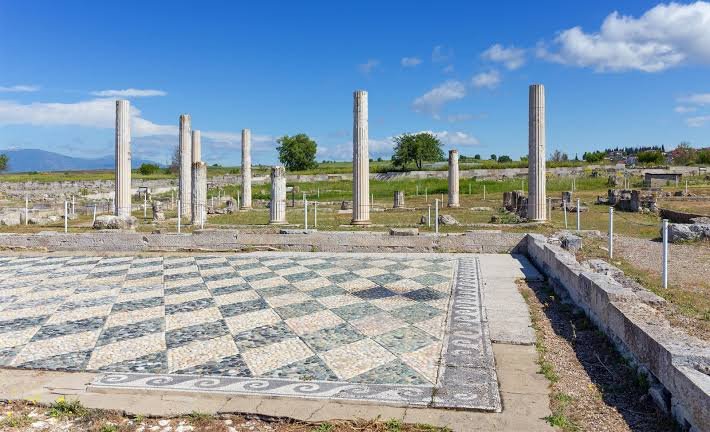
Temples like the Parthenon (Athena), Temple of Hera at Olympia, or the Temple of Apollo at Delphi served as both religious and cultural centers.