Introduction
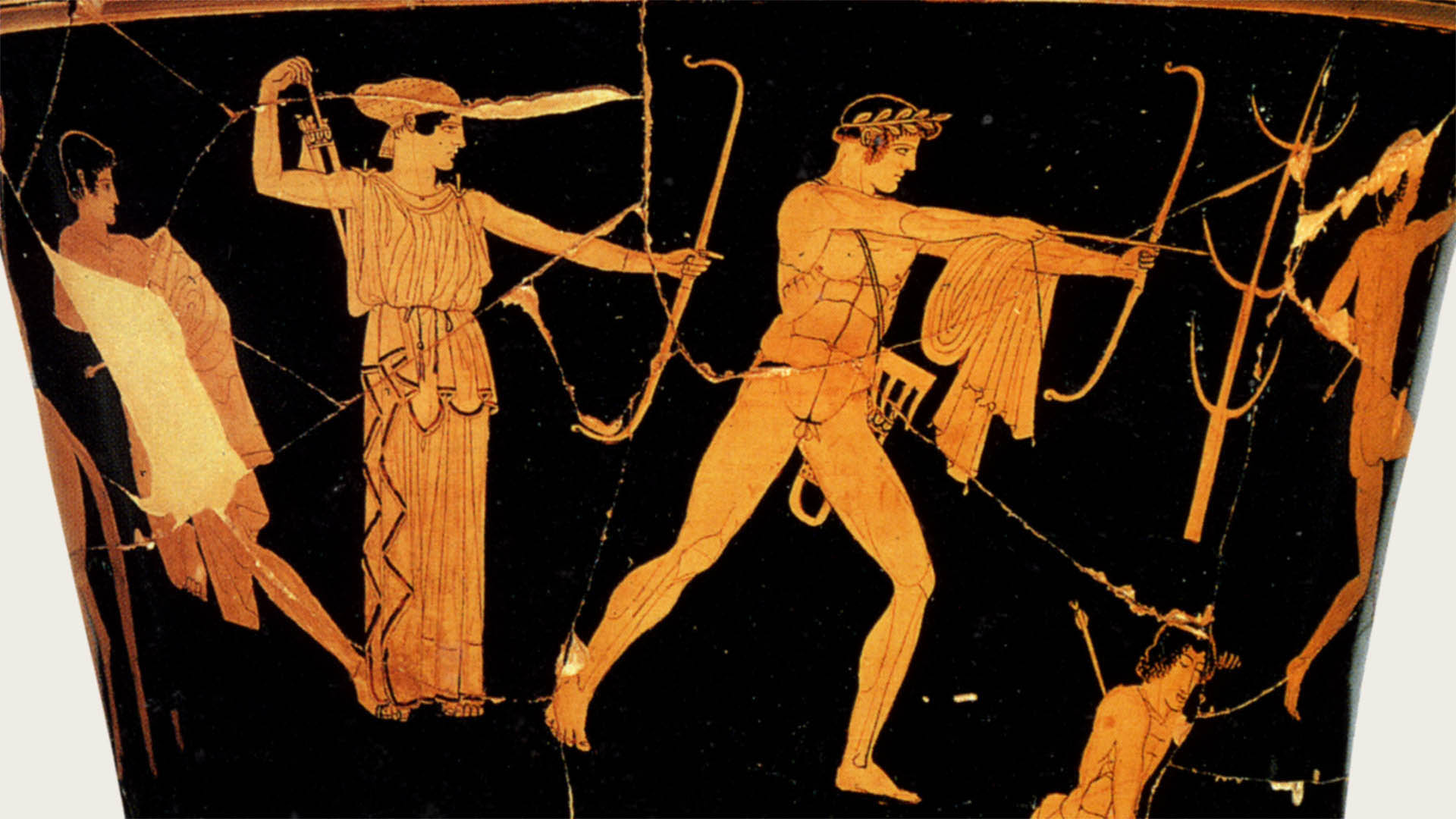
The Temple of Apollo at Delphi was one of the most revered sanctuaries in ancient Greece, serving as the spiritual center of the Greek world. This temple, dedicated to Apollo, the god of prophecy, music, and healing, was not only an architectural masterpiece but also a site of deep symbolic significance.
Architectural Features
Doric Style: The temple was built in the Doric order, characterized by fluted columns, simple capitals, and a strong, harmonious structure.
Rectangular Layout: Measuring approximately 60 meters in length and 23 meters in width, the temple followed a peripteral design with six columns on the shorter sides and fifteen on the longer ones.
Adyton and Oracle Chamber: At the heart of the temple was the adyton, a secluded inner chamber where the Pythia, the oracle, delivered prophecies.
Pediments and Sculptural Decoration: The eastern pediment depicted Apollo’s arrival at Delphi, while the western pediment illustrated the battle between gods and giants.
Treasuries and Stoa: Surrounding the temple were numerous treasuries and a stoa, where offerings from city-states were displayed, emphasizing the Panhellenic nature of the sanctuary.
Symbolic Meaning
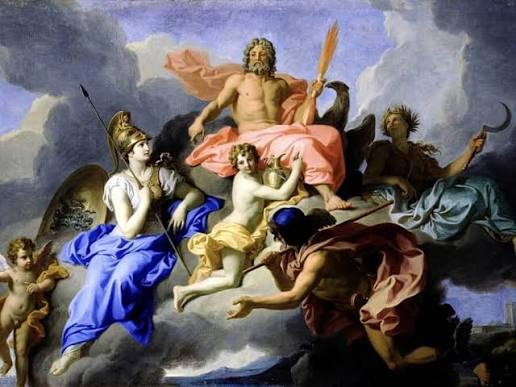
Center of the World: According to mythology, Zeus sent two eagles from opposite ends of the earth, and they met at Delphi, designating it as the omphalos (navel) of the world.
Oracle of Apollo: The temple was the home of the Delphic Oracle, where pilgrims sought divine guidance, reinforcing its role as a sacred space of wisdom and prophecy.
Harmony and Balance: The temple’s symmetrical design reflected the Greek ideals of order, proportion, and divine harmony.
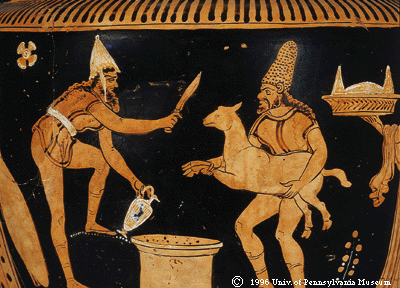
Sacred Rituals: The temple played a central role in the Pythian Games and various religious ceremonies dedicated to Apollo.
Conclusion
The Temple of Apollo at Delphi was more than an architectural wonder; it was a beacon of spiritual and cultural unity in ancient Greece. Its design embodied divine principles, while its symbolic importance made it one of the most legendary sites in antiquity.