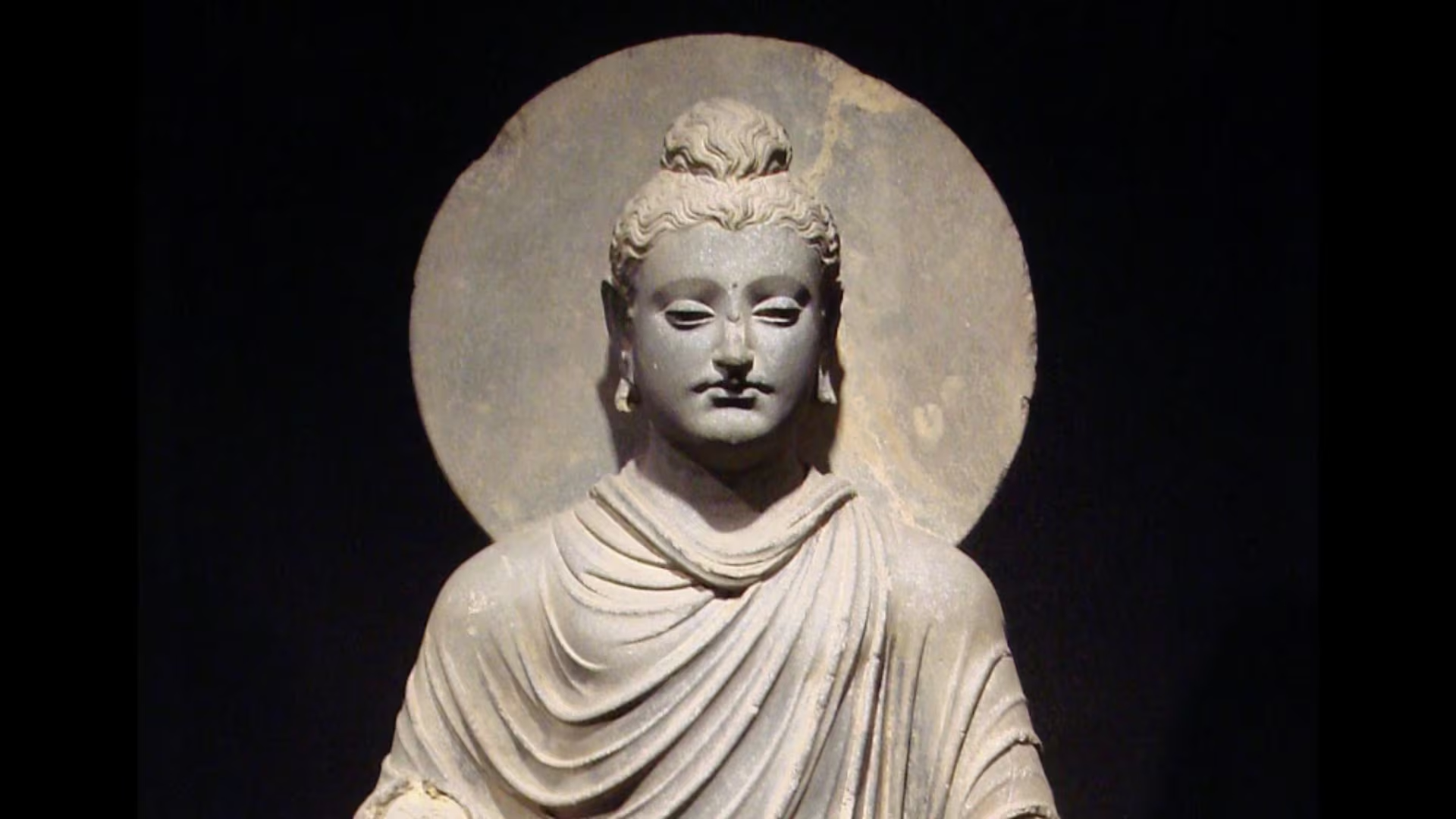
The interaction between Buddhism and other cultures is not a modern phenomenon—it dates back to antiquity.
A Surprising Cultural Exchange
Today, encountering a Greek Buddhist is quite rare. While Buddhism originated in Asia, it now has followers across the world. Unlike in the past, modern Buddhists don’t necessarily need to train under a teacher, and the forms of Buddhism they practice may not always be recognizable to outsiders. However, what might come as a surprise is that the spread and exchange of Buddhist thought with other civilizations was already happening in ancient times, as highlighted by Open Culture.
One of the most fascinating examples of this is Greco-Buddhism, a cultural and philosophical fusion explored in a video by Religion for Breakfast. The history of this interaction features both well-known and lesser-known figures. The most famous of them all is Alexander the Great, who, as the presenter explains, “conquered a vast empire stretching from Greece to Central Asia and the Indus River, spreading Greek influence among the populations he subdued.”
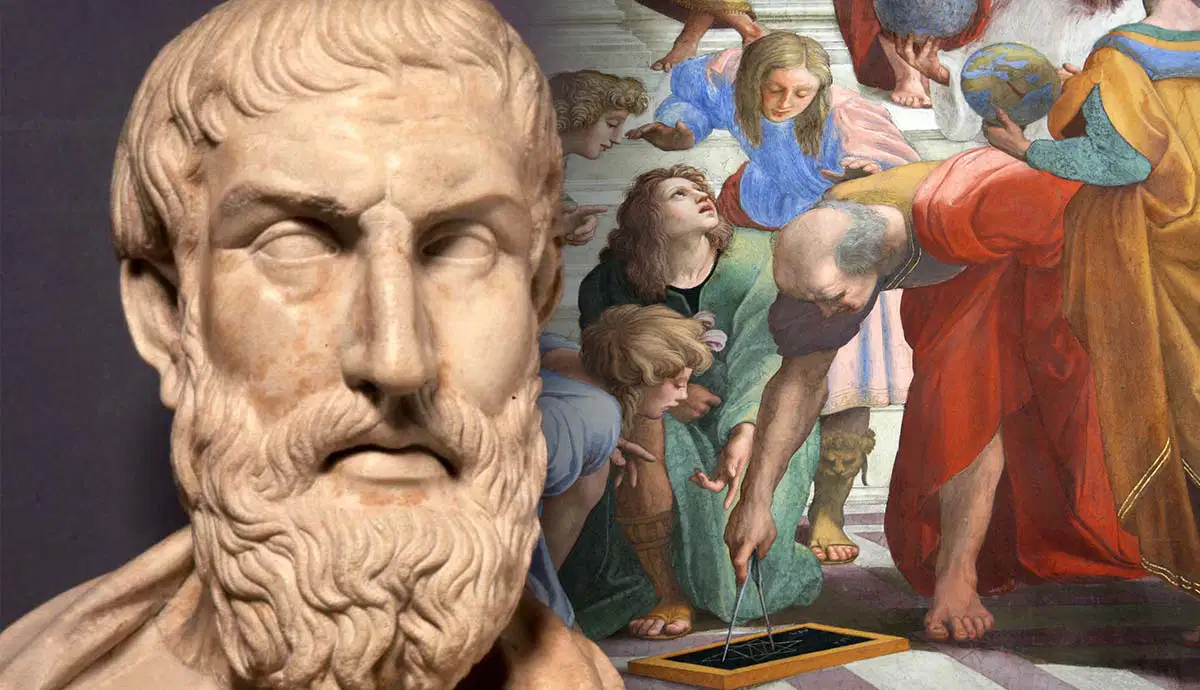
However, cultural exchange was not a one-way street. This is evident in ancient texts and artworks that blend elements of both traditions. Other key figures in Greco-Buddhism include the philosopher Pyrrho of Elis, who traveled with Alexander and was influenced by Indian gymnosophists (ascetic philosophers), and Emperor Ashoka of India in the 3rd century BCE, who embraced Buddhism and transformed from a warlike ruler into a champion of compassion. Another significant figure is King Menander (Milinda in Buddhist texts), the most famous Greek convert to Buddhism, who is even mentioned in early Buddhist scriptures.
While it is difficult to determine exactly what these ancient figures believed, the similarities between Buddhist principles and Greek philosophical traditions—such as Stoicism—are hard to overlook. This centuries-old exchange of ideas shows that philosophical and spiritual curiosity knows no borders.