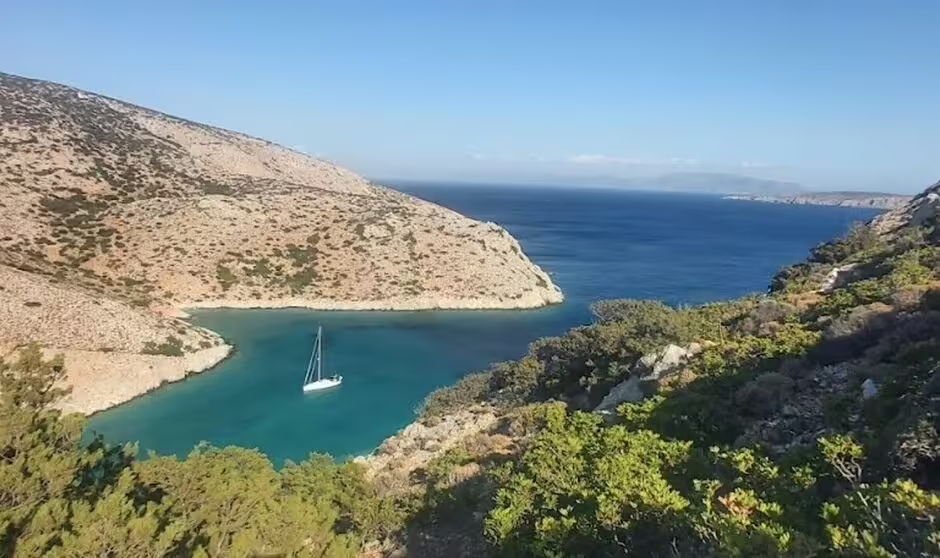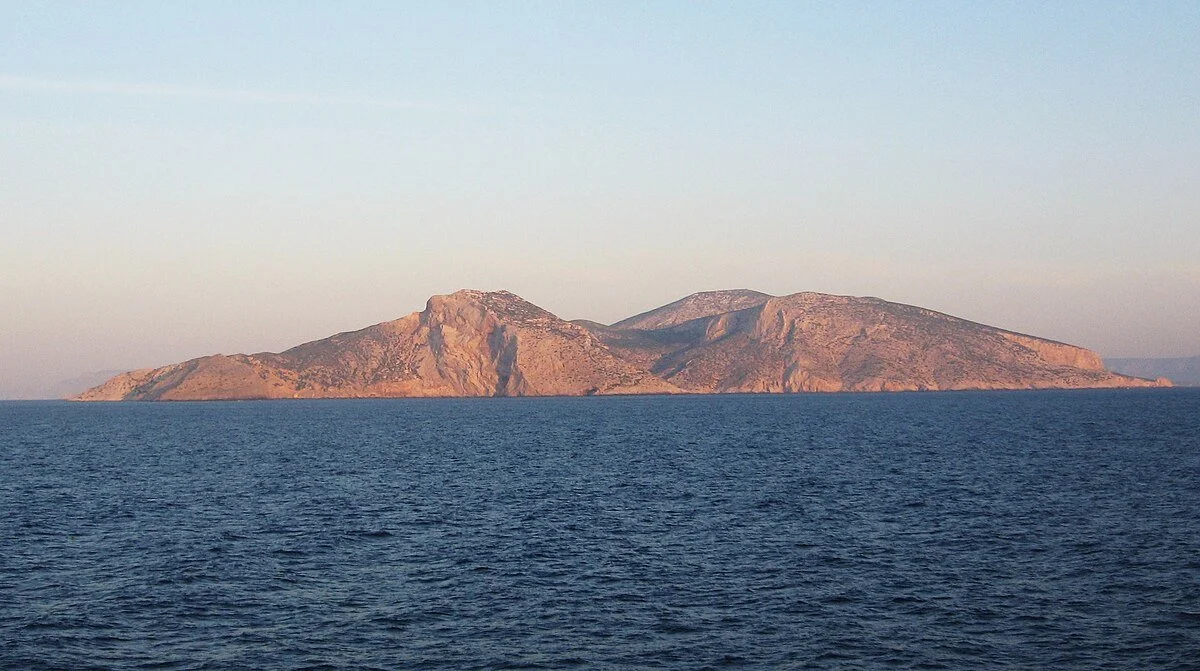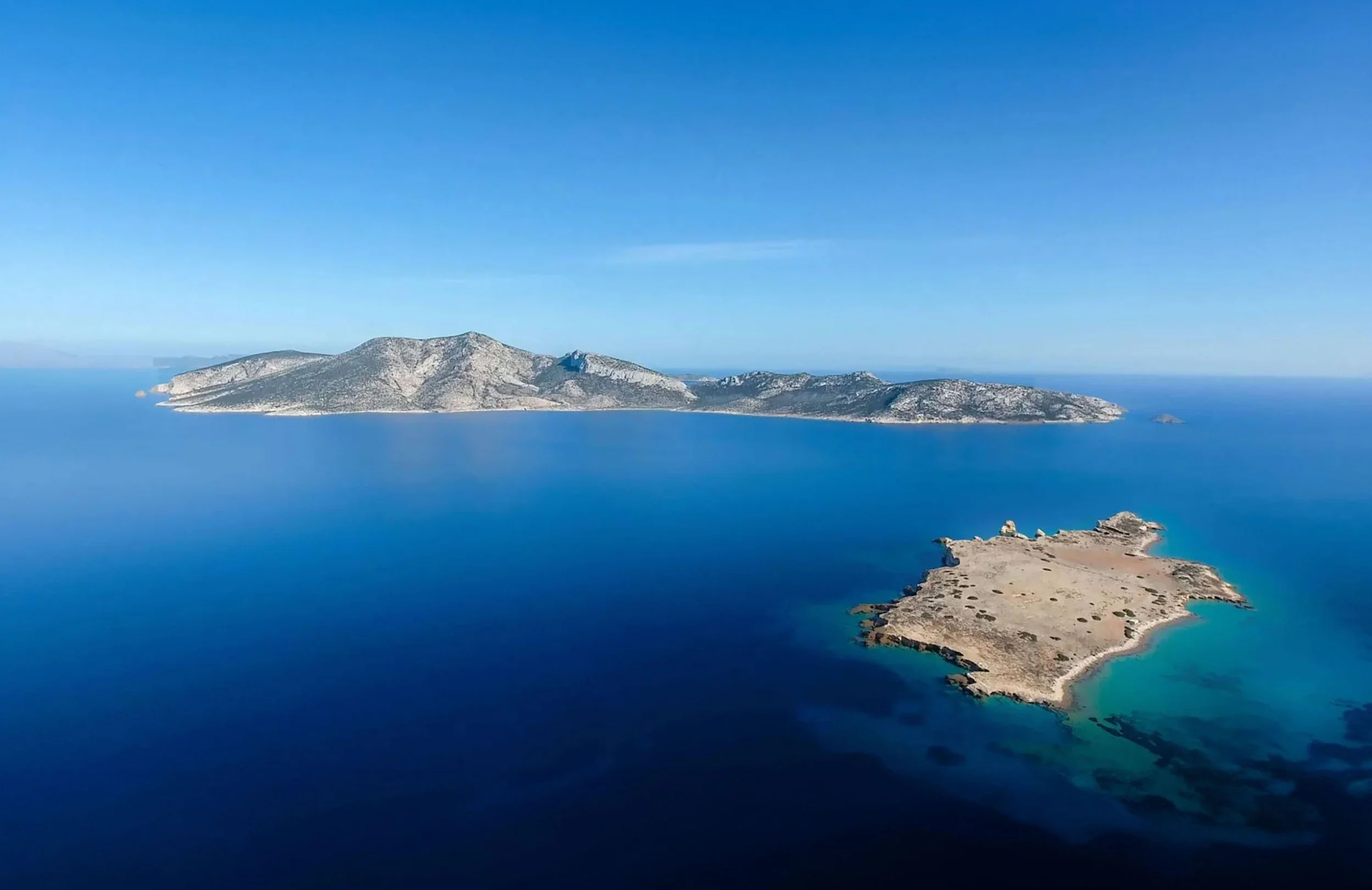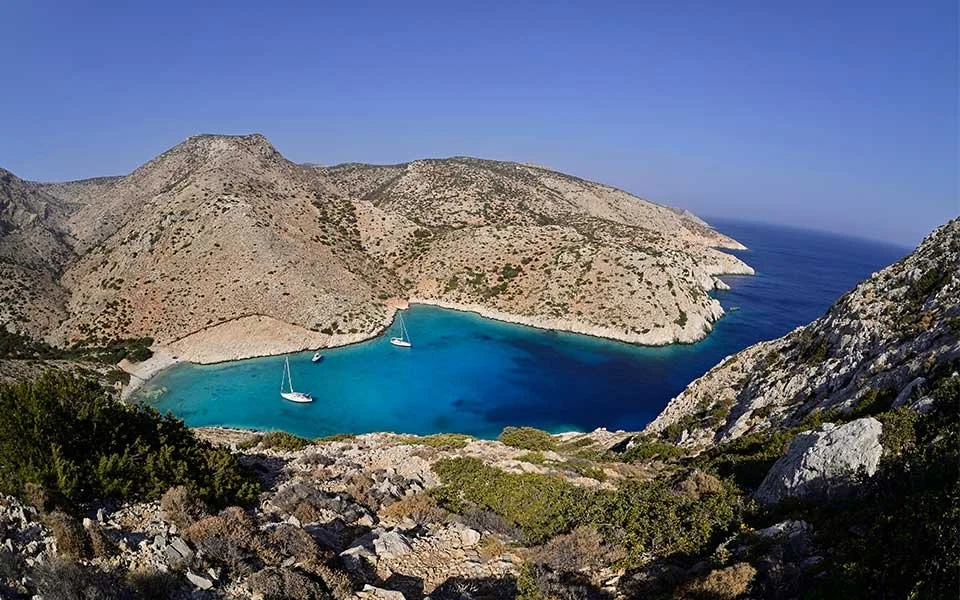
Located just two nautical miles south of the Koufonisia islands in the Cyclades, this uninhabited island can be visited by boat for a day trip.
Greece is one of the most popular destinations in Europe, attracting millions of tourists each year. One of the biggest draws for travelers is the country's amazing islands, with their beautiful landscapes and pristine beaches.
The country is home to over 6,000 islands and islets scattered across its seas, though only 227 of them are inhabited. Some of the most famous are Santorini, Mykonos, and Crete. One island that is definitely worth a visit, though lesser-known than its famous neighbors, is Keros – an important center of Cycladic civilization.
Keros is a semi-mountainous and rugged island that covers an area of 15 square kilometers and boasts a coastline that stretches 27 kilometers.
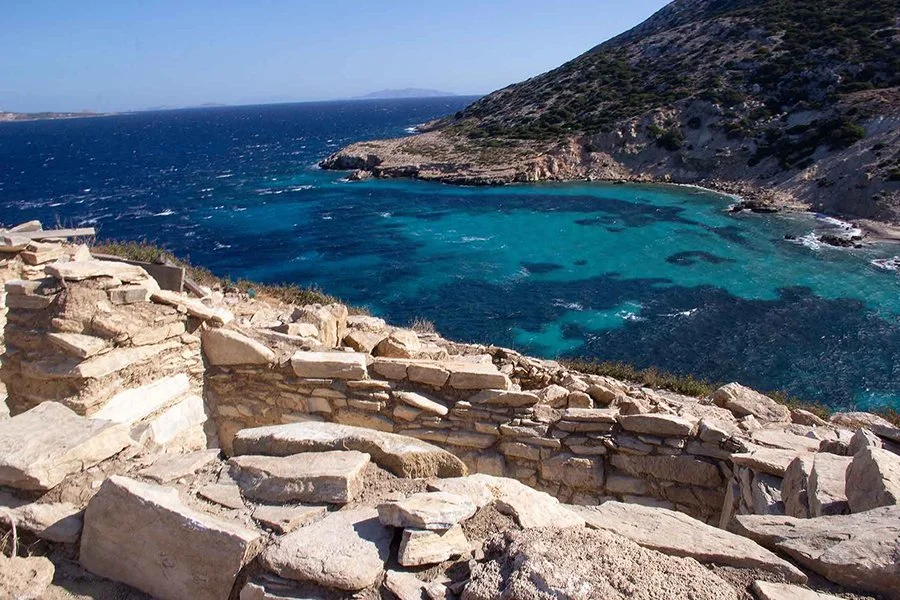
The island features the remnants of shepherds' huts and two small churches – the only signs that people once lived here.
Keros is also known for having no fresh water, so visitors traveling to the small island to enjoy its sandy beaches should bring their own water and supplies.
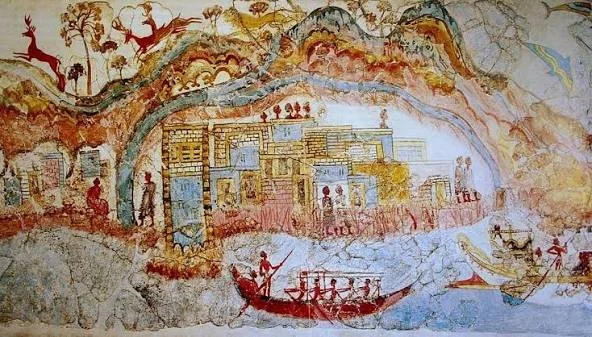
The Cycladic civilization flourished in the region during the Early Bronze Age, around the third millennium BC.
There are no written records from this time, making it difficult to determine how the people lived, which gods they worshiped, and how their society was organized.
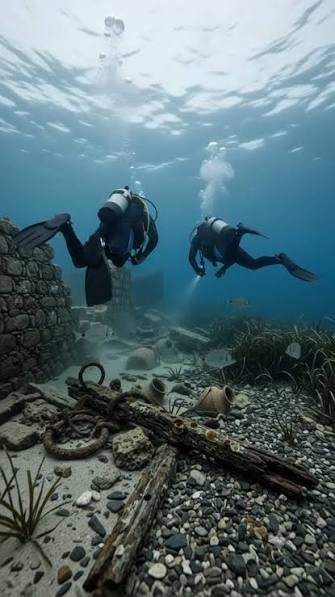
However, archaeological excavations have uncovered a significant number of artifacts, which have helped scientists gain valuable insights into this early civilization.
These artifacts include marble statues, stone tools, ceramics, and numerous tombs. Many of these findings are now housed in the National Archaeological Museum in Athens, the capital of Greece.
According to legend, the goddess Leto gave birth to Artemis on the island, which is why many archaeologists believe religious festivals were held there in honor of this deity.
Researchers also believe that people from surrounding islands would bring their dead to Keros for burial, as they believed the island was one of the Gates of Hades, the God of Death.