Information by George Syros
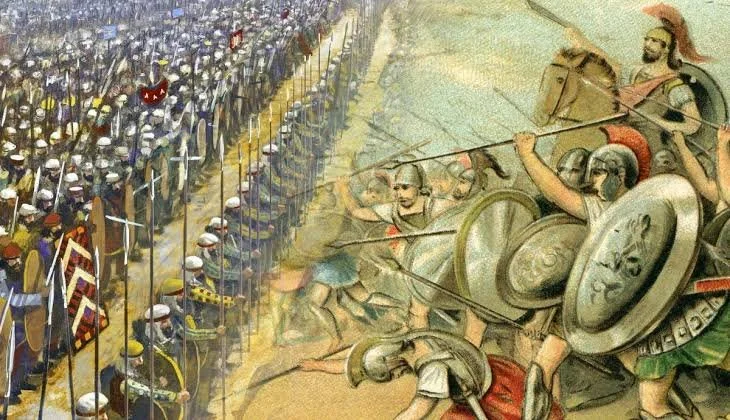
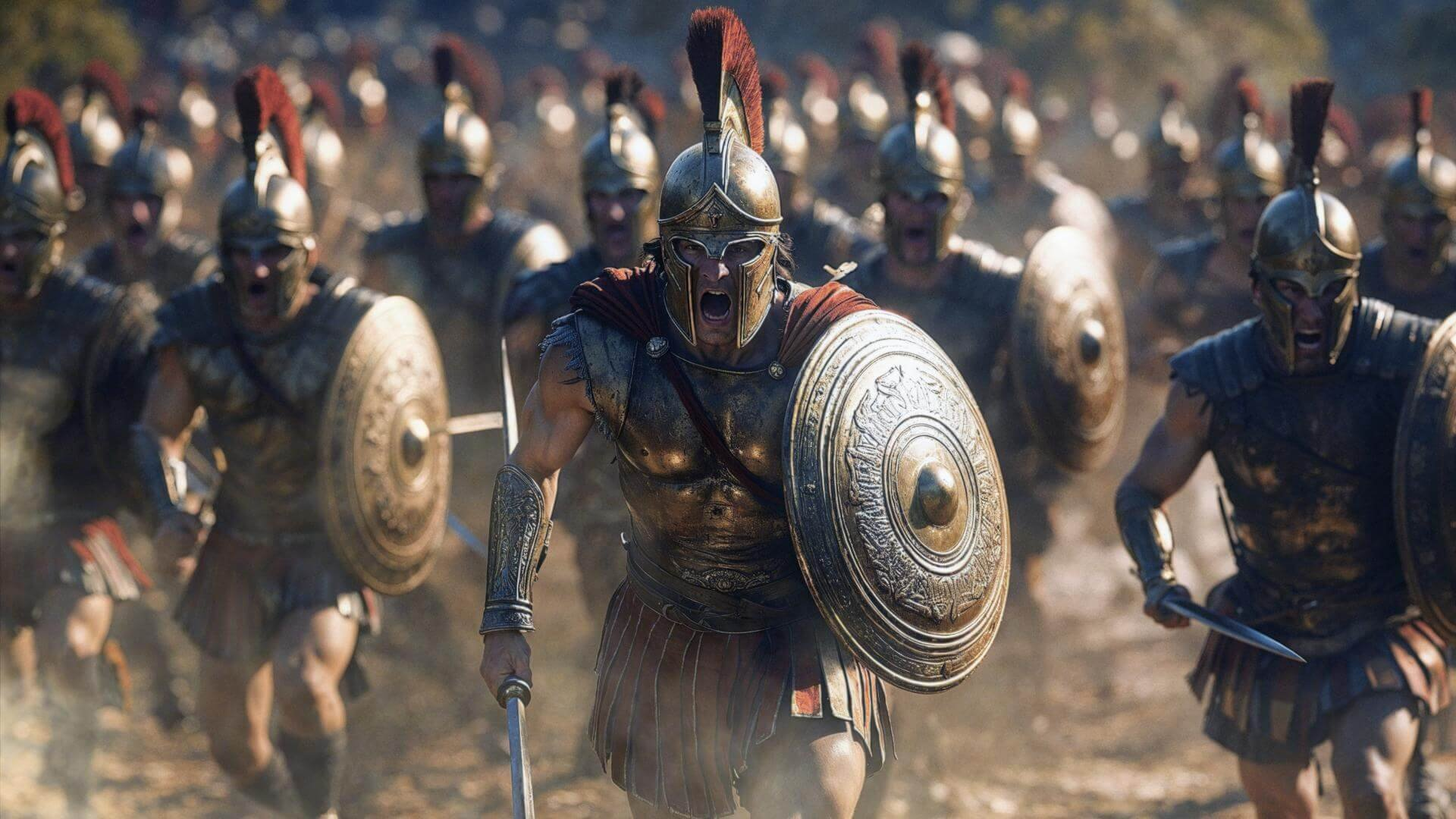
In a groundbreaking cinematic endeavor, Greek director Yiannis Stravolaimos is set to bring the historic Battle of Marathon to life in a film titled Nenikikamen ("We Have Won"), distinguished by its exclusive use of Ancient Greek and Old Persian languages. This ambitious project aims to authentically recreate the linguistic and cultural atmosphere of 490 BCE, offering audiences a unique immersion into classical antiquity.
A Cinematic First in Ancient Languages
Nenikikamen stands out as the first feature film to be performed entirely in the classical dialects of Ancient Greek and Old Persian. The script, meticulously translated into these ancient tongues, seeks to provide an unparalleled historical authenticity. This linguistic choice not only honors the original context of the events depicted but also serves as a bold artistic statement in contemporary cinema.
Historical Fidelity and Mythological Elements
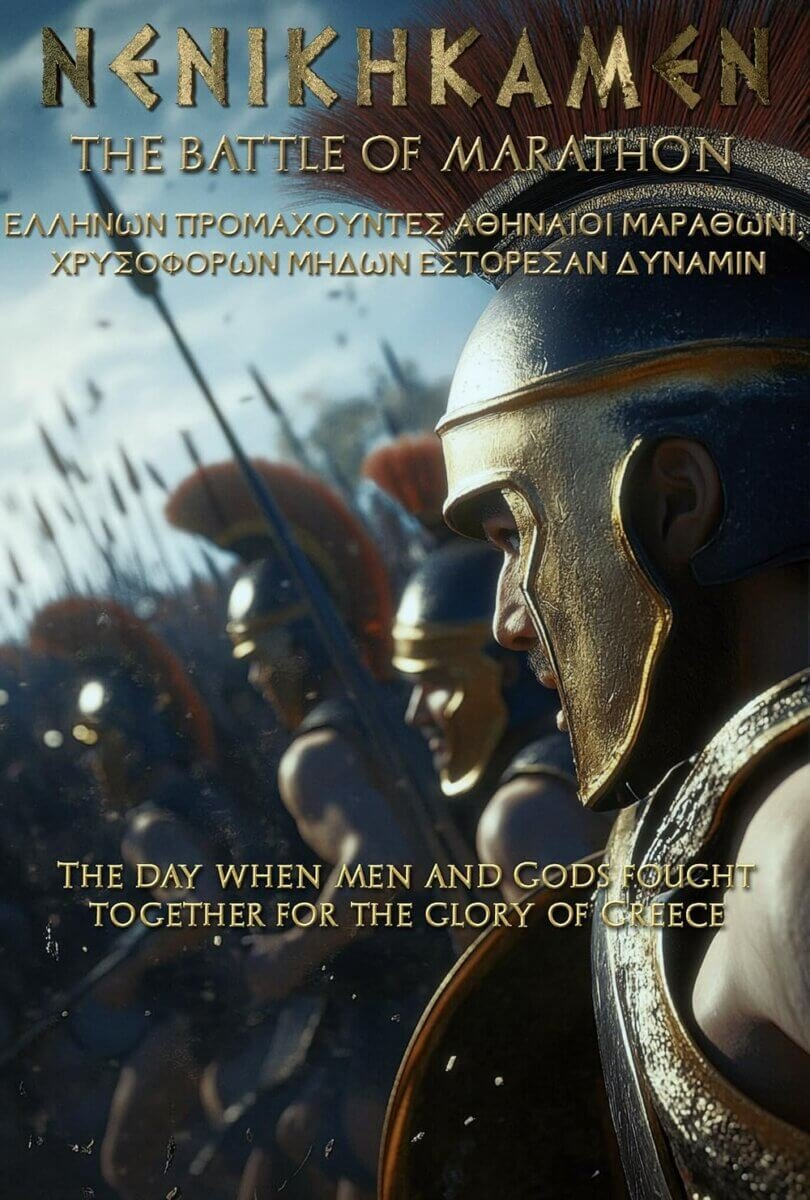
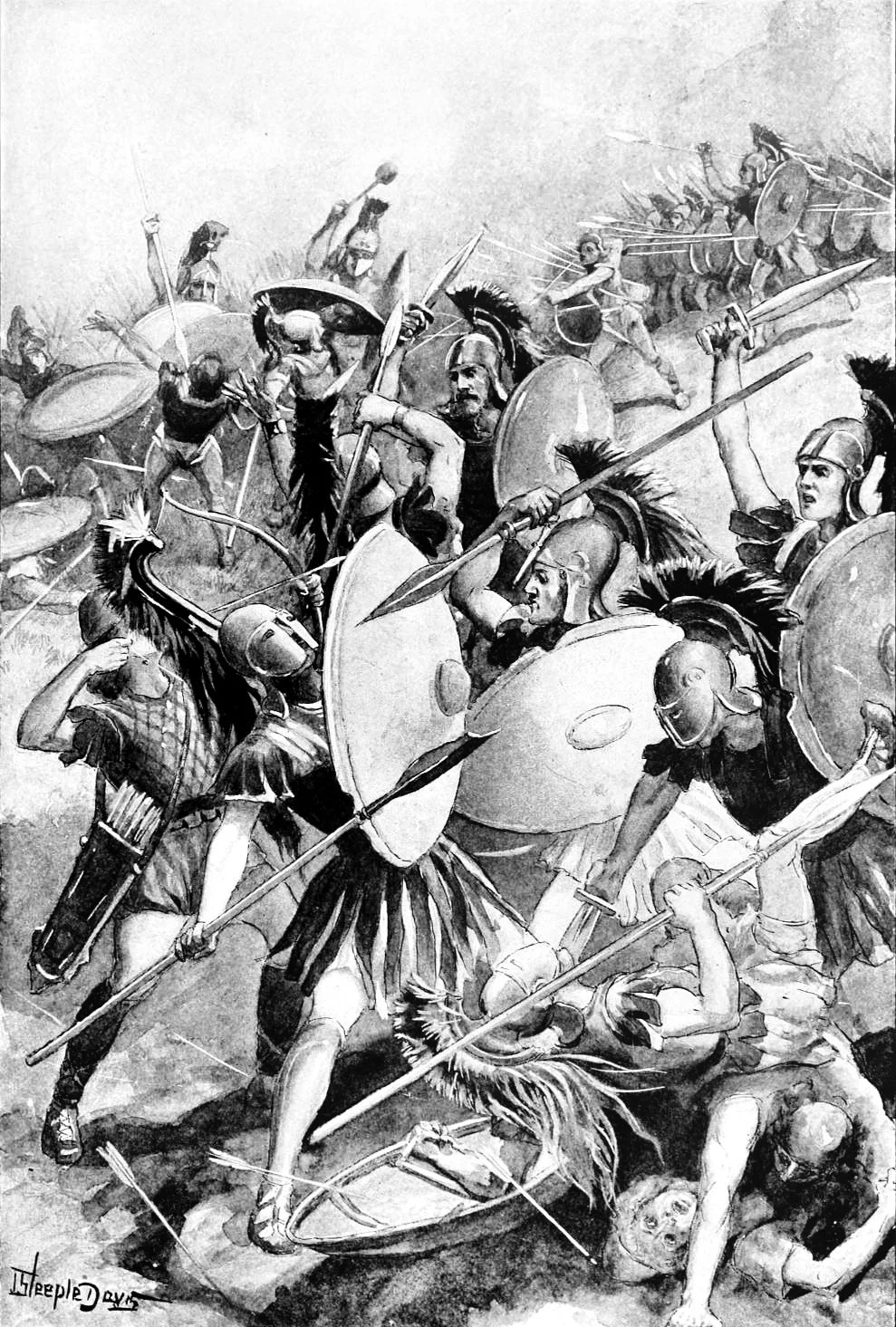
Drawing from primary sources such as Herodotus, Plutarch, and Pausanias, the film delves deep into the events surrounding the Battle of Marathon. It portrays key historical figures, including Miltiades, Themistocles, Aristides, and Pheidippides, as well as Persian leaders Darius, Artaphernes, and Datis. In addition to the historical narrative, Nenikikamen incorporates mythological aspects, depicting the involvement of deities like Athena and Pan and legendary heroes such as Echetlus, reflecting the ancient Greeks' belief in divine influence over human affairs.
International Cast and Production
The film boasts a diverse cast of Greek and international actors. To ensure accurate pronunciation and delivery of the ancient languages, foreign actors will be dubbed by trained linguists specialising in Ancient Greek and Old Persian. Notable Greek actors involved in the project include Kostis Savvidakis, Konstantinos Konstantopoulos, Anthimos Ananiadis, and Teo Theodoridis.
Cultural Diplomacy Through Cinema
Director Yiannis Stravolaimos envisions Nenikikamen as more than a historical epic; he sees it as a form of cultural diplomacy. By showcasing Greece's rich heritage and linguistic history, the film aims to foster a deeper appreciation for ancient civilisations and their enduring impact on the modern world. Stravolaimos believes that cinema, as a powerful medium, can bridge cultural gaps and bring historical narratives to a global audience in an engaging and educational manner.
Nenikikamen is currently in production, with further details on its release anticipated in the coming months. The film promises to be a significant contribution to both historical cinema and the preservation of ancient languages.
The Cry of Victory: The Story Behind Nenikikamen
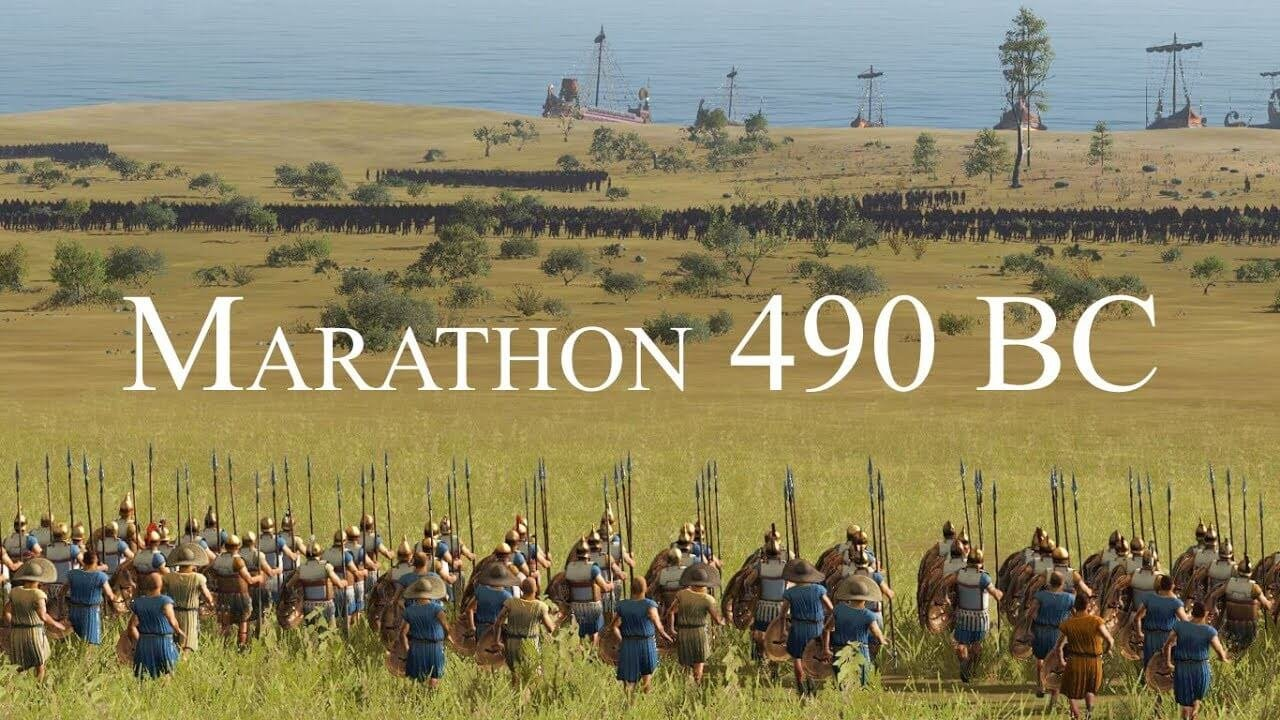
The film’s title, Nenikikamen, is drawn from one of the most iconic moments in ancient Greek history—a cry of triumph that has echoed through the centuries. According to ancient sources, after the Athenian victory at the Battle of Marathon in 490 BCE, a messenger (often identified as Pheidippides) was dispatched to run the roughly 42 kilometres (26 miles) from the battlefield to Athens to announce the outcome. Upon arriving in the city, exhausted and near death, he is said to have uttered a single word: “Nenikikamen!”—“We have won!”—before collapsing and dying.
This moment has since become emblematic of sacrifice, endurance, and patriotic devotion. Whether the tale of Pheidippides is fully historical or partially mythologised, it captured the imagination of later generations, eventually inspiring the modern marathon race introduced during the first modern Olympic Games in Athens in 1896.
In the film, this dramatic episode serves as a climactic and emotional turning point. Director Yiannis Stravolaimos uses the phrase not only to mark the Athenian victory over the Persian invaders but also as a universal symbol of human determination and the struggle for freedom. The utterance of Nenikikamen in the original Attic dialect is carefully reconstructed to deliver both historical gravitas and cinematic intensity.
Through this single word, the film connects ancient heroism with contemporary values, reminding viewers that history is not merely a collection of events but a source of enduring inspiration.