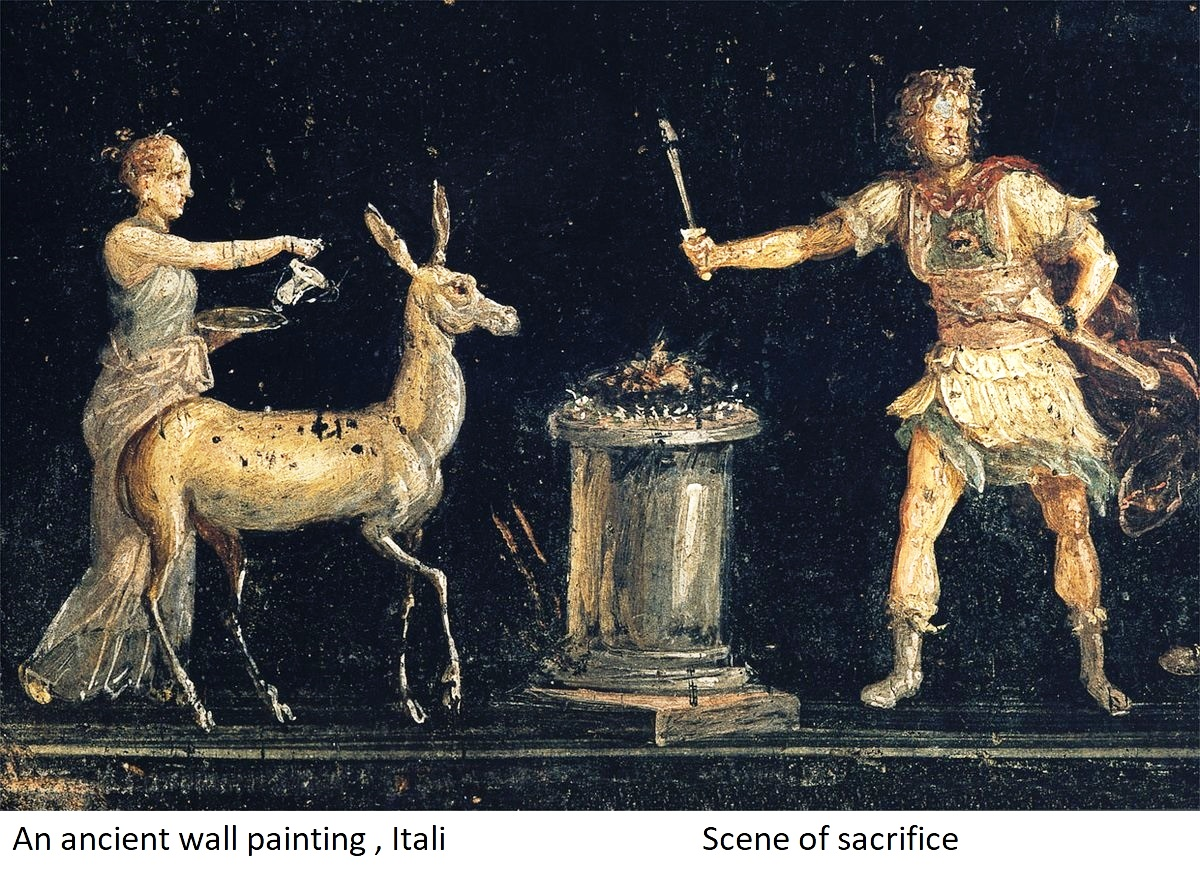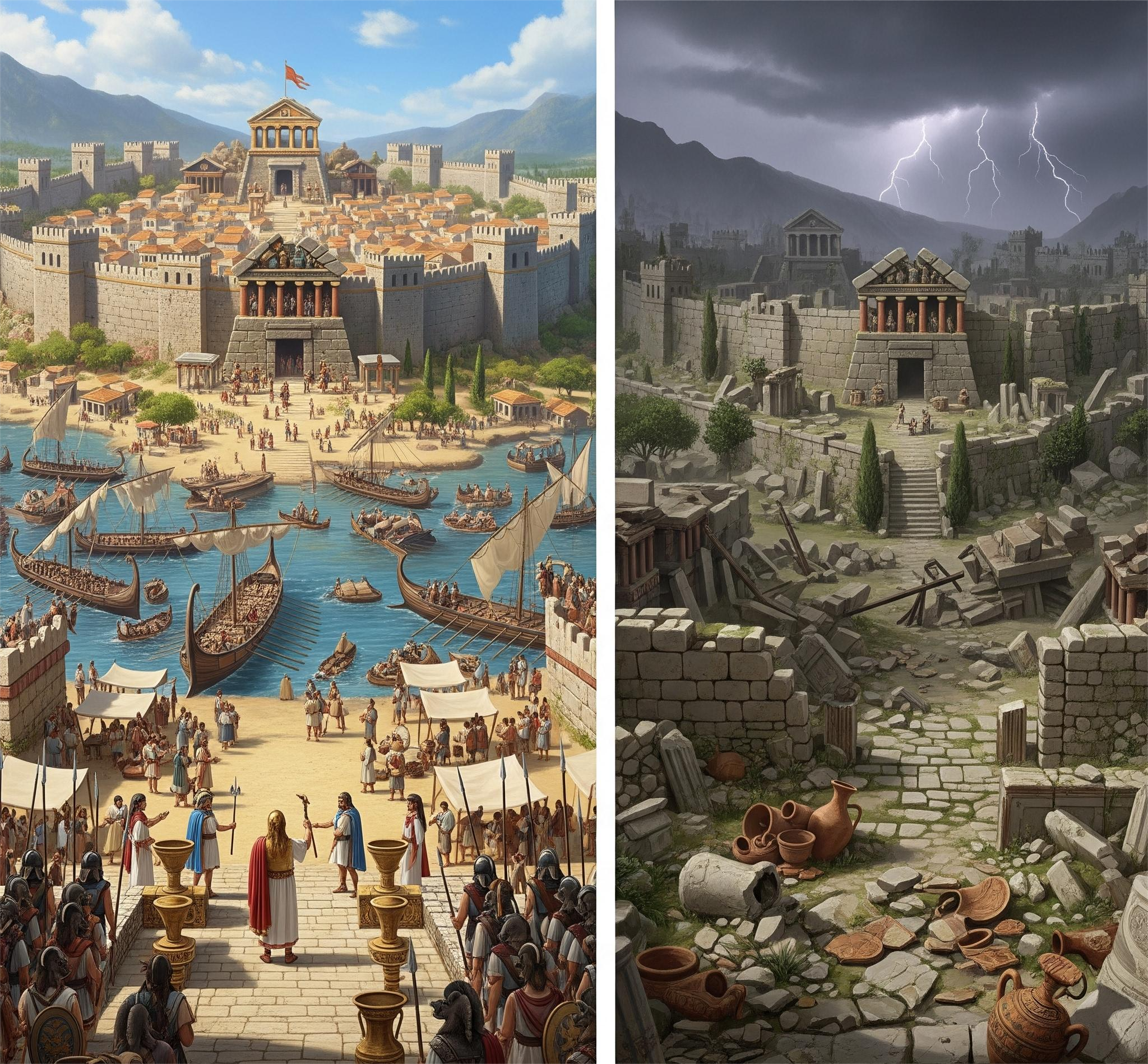
The Mycenaean civilization, flourishing between 1600 BCE and 1100 BCE, was the first advanced Greek culture on the mainland. Known for its grand palaces, Linear B writing, and warrior elite, the Mycenaeans left behind rich archaeological evidence of a complex society. Centered around cities like Mycenae, Tiryns, and Pylos, the civilization engaged in trade, warfare, and elaborate religious rituals.
Mycenaean palaces were not just royal residences; they were administrative centers, complete with storerooms, workshops, and archives. Linear B tablets reveal bureaucratic control over agricultural production and trade. The Mycenaeans also adopted aspects of Minoan culture, including art and religion, while maintaining a more militaristic identity.
The collapse of the Mycenaean world around 1200 BCE is still debated. Scholars suggest a mix of internal strife, natural disasters, economic disruption, and foreign invasions. The abandonment of palatial centers led to a Greek Dark Age, but Mycenaean influence lived on in Greek mythology and oral traditions.