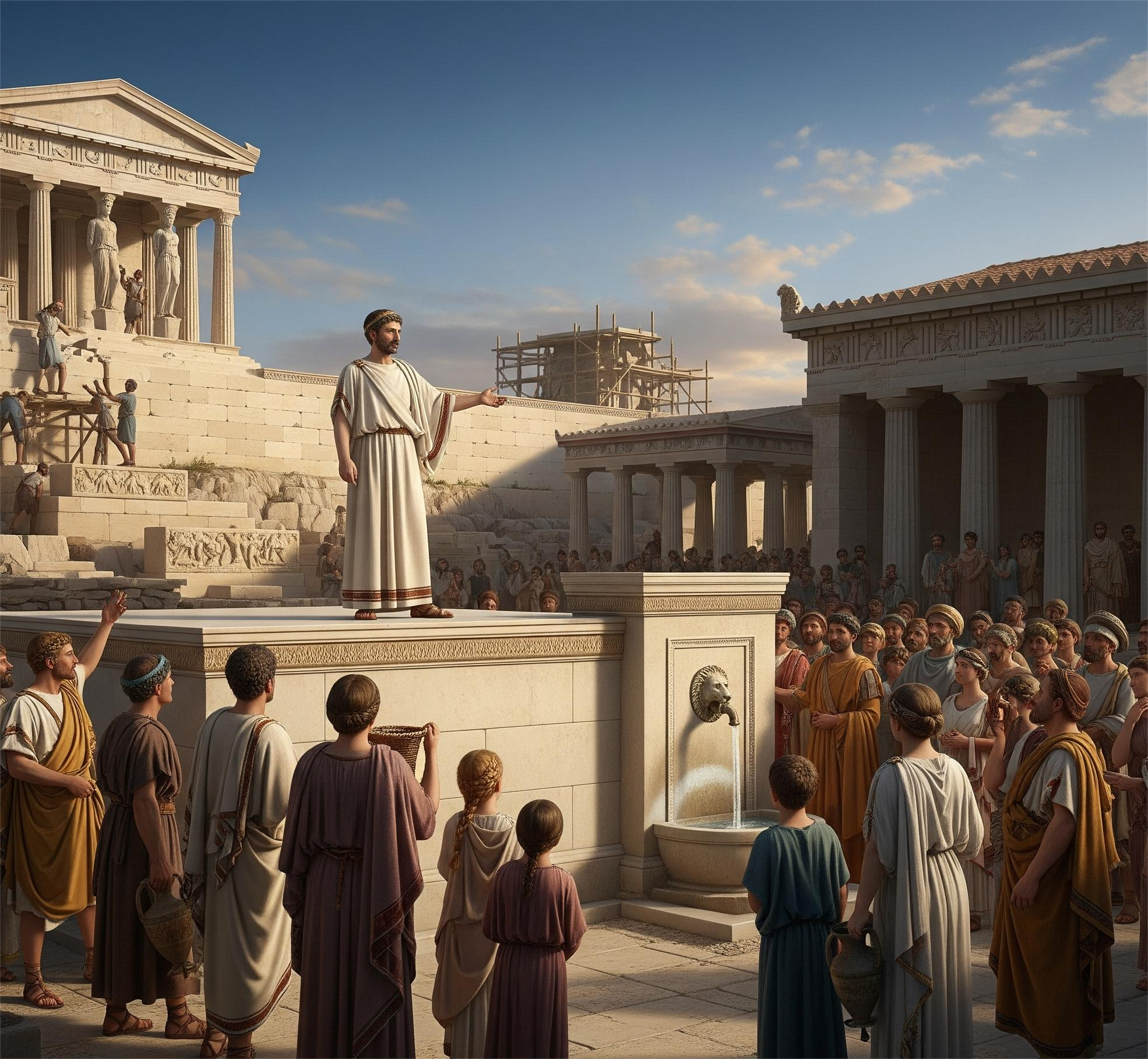
Following the unrest that persisted after Solon’s reforms, Peisistratos, a charismatic aristocrat, seized power in Athens through a series of clever political maneuvers and military actions. He ruled as a tyrant from 546 to 527 BCE, although his brand of tyranny differed from the modern negative connotation of the term.
Peisistratos implemented a populist regime that favored the common people, strengthened Athens’ economy, and fostered cultural development. Some of his notable achievements include:
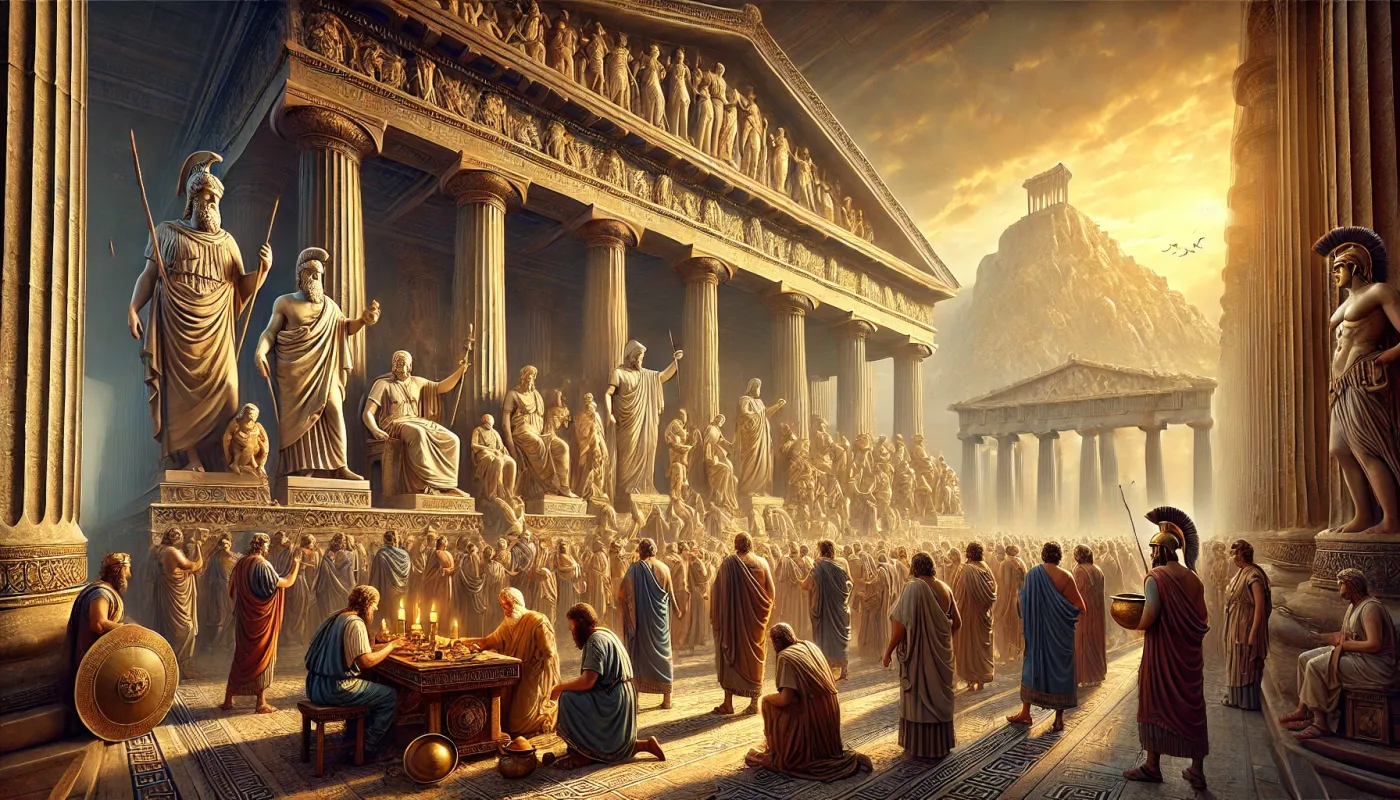
Public Works: He initiated large-scale construction projects, including temples, roads, and aqueducts, providing jobs and improving infrastructure.
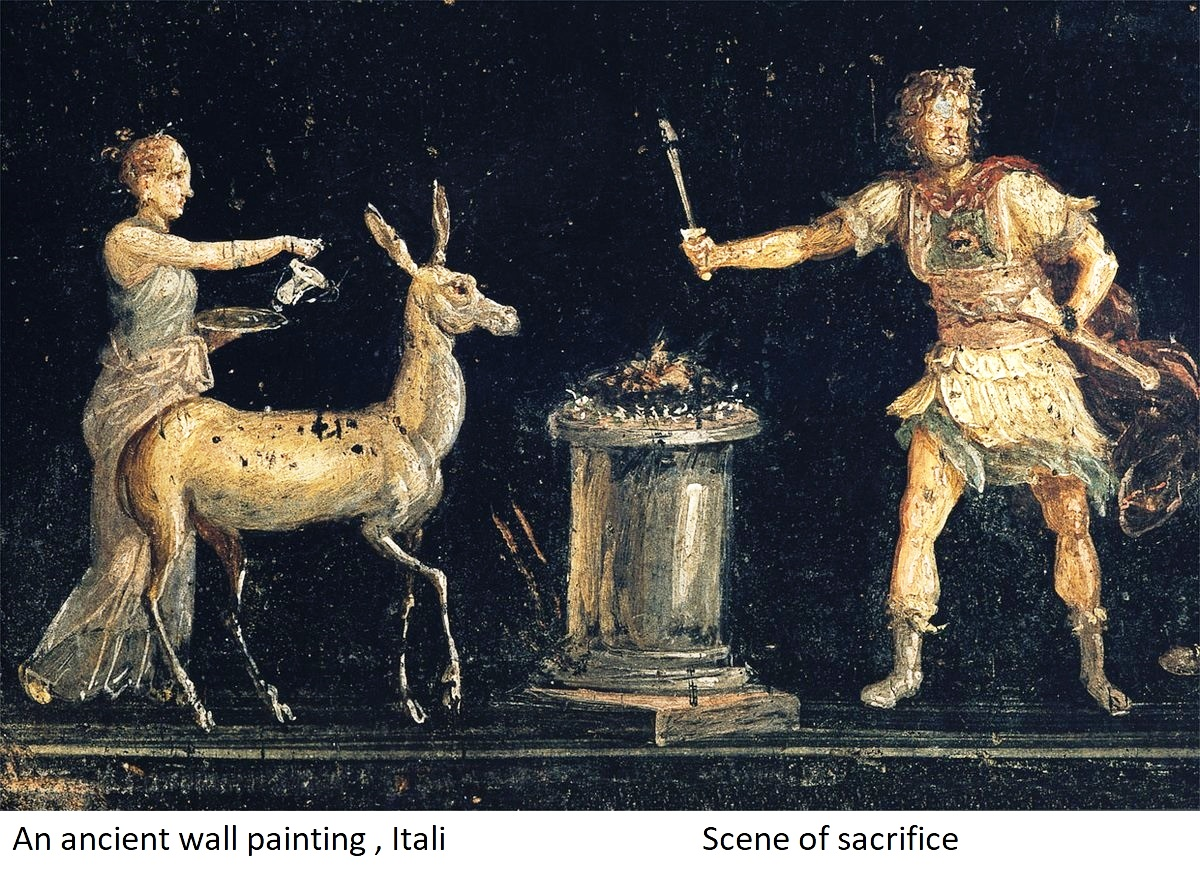
Religious Patronage: Peisistratos promoted the worship of Athena and other deities, enriching religious festivals like the Panathenaia.
Cultural Patronage: He supported the arts and was possibly responsible for the first transcription of Homeric epics.
Although he ruled without democratic accountability, Peisistratos’ policies helped stabilize Athens and strengthened its economy and identity. His rule, and that of his sons who succeeded him, ultimately created the conditions for the rise of full democracy under Cleisthenes.