Maritime raiding, coastal insecurity, and the contested waters of the eighteenth-century Mediterranean.
Kyparissia Bay and the Western Peloponnese
Kyparissia lies on the western coast of the Peloponnese, facing the Ionian Sea. Its coastal position connected it to maritime routes used by fishing vessels, merchant ships, and travelers moving between Greek ports and other parts of the Mediterranean.
The coastline of western Greece offered a mixture of exposed shores, smaller landing places, and sheltered areas that could provide temporary refuge from difficult weather. For sailors, understanding these geographical features was essential. A safe anchorage could protect a vessel during a storm, provide access to supplies, or offer a place to wait for favorable winds.
The same geographical advantages could also attract ships operating outside the law. Throughout the Mediterranean, some coastal locations became associated with raiding, smuggling, or the temporary concealment of vessels.
The title's reference to pirate havens in eighteenth-century Kyparissia Bay suggests a specific local history. However, the existence of particular pirate bases in the bay remains unverified without contemporary records identifying the locations or the people who used them.
Piracy in the Eighteenth-Century Mediterranean
The eighteenth century was a period of continuing maritime competition. European states, the Ottoman Empire, regional authorities, and commercial interests sought to protect shipping and control important sea routes.
Piracy was one source of insecurity, but the situation was complicated by the practice of privateering. Pirates generally seized ships or cargo without lawful authorization, while privateers operated under commissions issued by a government or political authority, usually against designated enemies.
In practice, the distinction could become blurred. A privateer might be accused of exceeding the authority granted by a commission, while a raider might claim political justification for attacking a rival's shipping. The legal interpretation could depend on the vessel's flag, its targets, the circumstances of the attack, and the government judging the incident.
These distinctions matter when interpreting historical accounts. A report of an armed vessel operating near Kyparissia would not automatically establish that it was a pirate ship.
Why Pirates Sought Sheltered Coastal Locations
A sheltered bay could offer temporary protection from storms and reduce a vessel's visibility from passing ships. Access to fresh water, food, repair materials, and local markets could also be valuable to crews operating far from their home ports.
Yet a suitable anchorage was not necessarily a permanent pirate haven. Ships might stop briefly to repair damage, exchange supplies, or wait for better sailing conditions. A vessel could also use a location without the knowledge or cooperation of nearby residents.
Establishing a long-term base required more than a hidden coastline. A crew needed reliable provisions, access to information about passing ships, and some way to avoid detection by naval patrols or local authorities. Such requirements could create relationships with intermediaries, suppliers, or people willing to exchange goods.
The existence of a naturally sheltered bay is therefore not proof of piracy. Historical records are needed to determine whether a particular location was actually used for raiding or concealment.
The Effects of Maritime Raiding on Coastal Communities
Piracy could have serious consequences for people living near the coast. Merchants risked losing cargo, shipowners faced financial losses, and sailors could be injured, captured, or killed. Fishing communities might be affected if raiding made it dangerous to operate in familiar waters.
The threat could also influence economic decisions. Merchants might choose safer routes, pay for additional protection, or delay shipments during periods of heightened insecurity. Local authorities could respond by strengthening coastal defenses, improving reporting systems, or coordinating with naval forces.
However, coastal communities were not all affected in the same way. Some settlements were exposed to greater risks because of their location or commercial activity, while others may have experienced maritime insecurity only occasionally.
It would be inaccurate to portray every harbor as either a pirate stronghold or a helpless victim. The relationship between coastal residents and maritime raiders depended on local conditions and the actions of particular individuals.
Trade, Smuggling, and the Movement of Goods
The distinction between legitimate commerce and illegal activity could become complicated in regions where political boundaries, customs regulations, and commercial interests overlapped.
Smuggling involved the movement of goods in violation of relevant laws or duties. It did not necessarily involve violence, and it should not be treated as identical to piracy. Nevertheless, both activities could take advantage of remote landing places, limited surveillance, and relationships with intermediaries.
A coastal settlement might participate in ordinary trade while also experiencing illicit activity. Merchants could have legitimate reasons to use small harbors, while authorities might suspect certain vessels of evading customs duties or concealing cargo.
Historical research must therefore distinguish between evidence of a vessel anchoring in a bay, evidence of smuggling, and evidence of violent maritime raiding.
How Historians Investigate Pirate Havens
A reliable investigation would begin with contemporary documents. Naval reports, court proceedings, diplomatic correspondence, port records, ship logs, and local administrative papers can provide information about suspected raiders and maritime incidents.
These records may identify a vessel, describe an attack, name a captain, or record an investigation into stolen cargo. They can also reveal how authorities responded to reports of piracy and whether a particular coastal location was repeatedly mentioned.
Place names require special attention. Coastal features may have been known by different names in earlier centuries, and historical descriptions do not always correspond precisely to modern maps. Researchers must compare geographical descriptions with navigational information and other records before identifying a location.
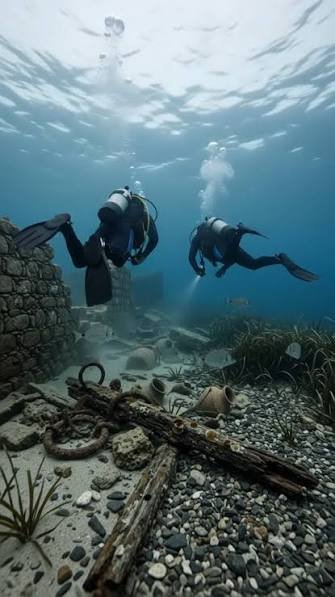
Archaeological evidence can provide additional information, but shipwrecks, anchors, and coastal structures do not independently prove piracy. A wreck could belong to a merchant ship, naval vessel, or fishing craft. Its interpretation depends on its date, cargo, construction, and archaeological context.
The Problem of Romantic Pirate Legends
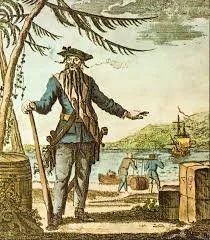
Modern stories often portray pirates as adventurous figures who hide treasure in secluded coves and escape authorities through secret passages. These images are appealing, but historical piracy frequently involved violence, coercion, financial loss, and exploitation.
Local stories about buried treasure, hidden tunnels, or secret pirate camps may preserve elements of historical memory. They can also develop through repeated storytelling, tourism, popular literature, and the attachment of familiar legends to dramatic landscapes.
A legend should therefore be documented as folklore unless independent evidence confirms its historical details. The fact that a story has been repeated for generations does not automatically establish the location or event it describes.
What a Confirmed Pirate Haven Would Reveal
If a particular pirate base at Kyparissia Bay could be documented, it would provide an opportunity to study maritime insecurity along the western Peloponnese. Researchers could investigate which vessels used the location, how long they remained, where they obtained supplies, and how local authorities responded.
Such a discovery could also clarify the relationship between piracy, commerce, and coastal settlement. The evidence might reveal whether the location served as a temporary anchorage, a repeated refuge, or a base connected to a wider network of maritime raiding.
The specific pirate havens described in the title remain unverified. Until identifiable records or archaeological findings establish the connection, the subject should be treated as a historical research question rather than proof that a particular eighteenth-century pirate base existed.
A Coastline Between Commerce and Danger
The western Peloponnese was part of a Mediterranean world where trade, warfare, privateering, and piracy could overlap. Coastal geography shaped the movement of ships, but political authority and commercial relationships determined how that geography was used.
The history of Kyparissia Bay is best approached through this wider context. Its coastline may have offered the kinds of shelter that sailors valued, but the historical use of any particular cove must be demonstrated through evidence.
By combining archival research, historical geography, and archaeological investigation, researchers could establish whether the bay played a specific role in eighteenth-century maritime raiding. Until then, its proposed pirate havens remain an intriguing possibility rather than a verified historical discovery.