
Introduction
The Cumans were a Turkic-speaking nomadic and semi-nomadic people who played an important role in the medieval Eurasian steppe.
Known in Byzantine and eastern European sources under various names, they participated in warfare, diplomacy, migration, trade, and political alliances.
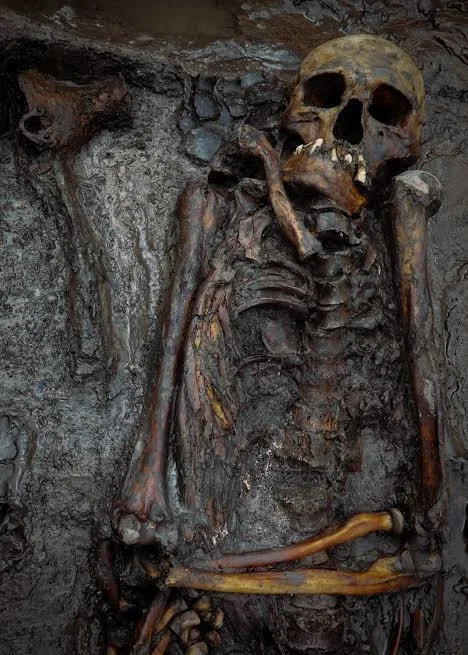
The title Forgotten Cuman Nomad Graves in the Strymon Delta proposes the presence of Cuman burial remains near the lower Strymon River.
The possibility of steppe peoples reaching the Balkans is historically well established, but identifying a particular cemetery as Cuman requires archaeological evidence.
The Cuman World
The Cumans occupied large areas of the Eurasian steppe.
Their societies were organized through tribal and political networks rather than a single centralized state.
They were highly mobile.
Horses played a central role in transportation, warfare, prestige, and pastoral life.
Contact with Byzantium
The Byzantine Empire frequently interacted with steppe peoples.
Cumans could appear as enemies, allies, mercenaries, or political partners.
Byzantine rulers sometimes recruited steppe warriors.
Marriage alliances could also connect elite families.
Cuman Migration into the Balkans
During the twelfth and thirteenth centuries, Cuman groups entered southeastern Europe.
Some settled permanently.
Others remained mobile.
Political upheavals could push groups across the Danube and into Byzantine, Bulgarian, Hungarian, or other territories.
The Strymon Region
The Strymon River flows through the Balkans into the Aegean.
Its valley forms a natural corridor.
Rivers frequently shape human movement because they provide water, agricultural land, transportation routes, and access between different ecological zones.
Burial Archaeology
Identifying a Cuman burial requires more than finding an unusual grave.
Archaeologists examine:
burial orientation,
grave construction,
horse remains,
weapons,
jewelry,
pottery,
clothing fittings,
and chronology.
Even then, interpretation must remain cautious.
Material culture can be adopted by neighboring populations.
Horse Burials
Horse-related burial practices are particularly interesting when investigating steppe populations.
Horses could symbolize status or accompany elite warriors.
However, the presence of horse equipment does not automatically establish Cuman identity.
Several medieval societies shared equestrian traditions.
The Problem of "Nomad Graves"
Nomadic populations often left fewer permanent settlements than agricultural societies.
Burials can therefore become important archaeological evidence.
But cemeteries can also be difficult to interpret because populations moved and interacted.
A grave may reflect cultural exchange rather than direct ethnic identity.
Conclusion
The Forgotten Cuman Nomad Graves in the Strymon Delta remain a subject requiring archaeological verification.
Cumans genuinely entered and interacted with Balkan societies.
The Strymon valley was also a significant geographical corridor.
What remains uncertain is whether identifiable Cuman burials exist specifically in the delta.
If such graves were securely documented, they could provide valuable evidence for the movement of steppe populations into the Aegean world and demonstrate how mobile societies became incorporated into medieval Balkan history.







