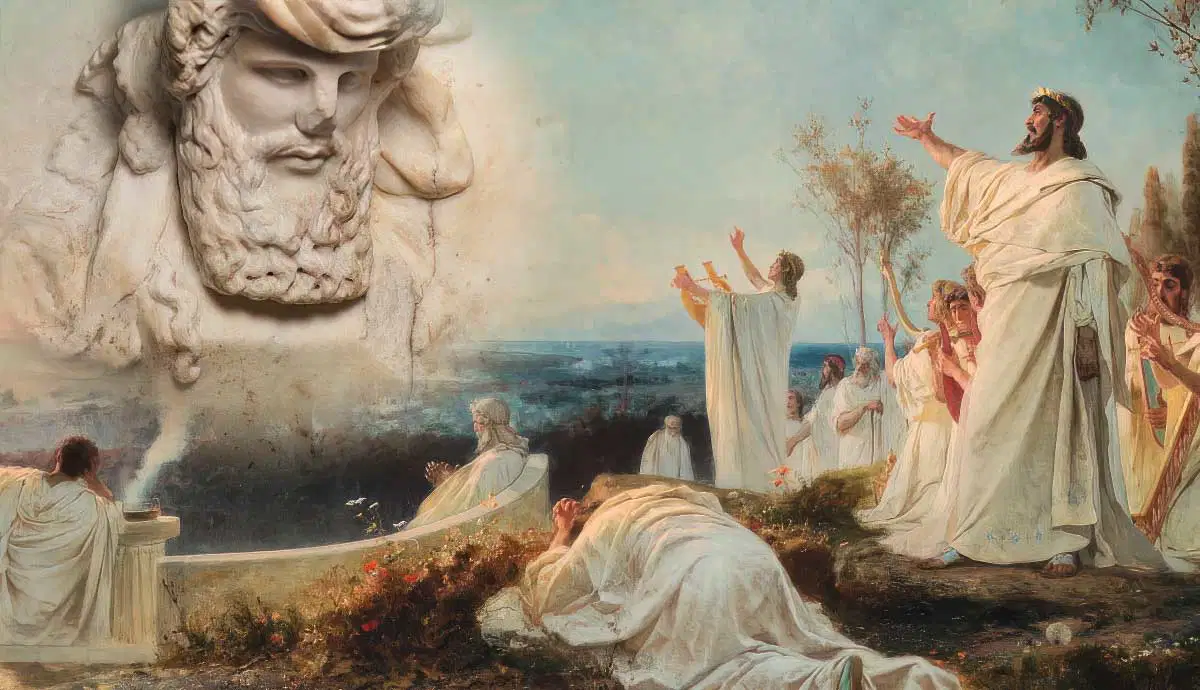
The "State Religion" of Ancient Greece—the public sacrifices to Zeus and Athena—was often a matter of civic duty and spectacle. However, for those seeking a more personal, emotional connection to the divine and a promise of a better afterlife, there were the Mystery Religions.
Unlike public cults, these were "closed" societies. The word mystery comes from the Greek myein, meaning "to close" (referring to the mouth or eyes). Initiates were sworn to secrecy under penalty of death, which is why, despite their massive popularity, many of their specific rituals remain among history's greatest enigmas.
1. The Eleusinian Mysteries: The Promise of Life
The most prestigious of all was the cult of Demeter and Persephone at Eleusis. For nearly 2,000 years, people from across the Mediterranean—from slaves to Emperors—flocked here to participate in the "Greater Mysteries."
The Mythological Base: The ritual re-enacted the myth of Demeter searching for her daughter, Persephone, who had been abducted by Hades. It represented the cycle of the seasons and the "planting" of the human soul.
The Ritual: After a long procession from Athens, initiates drank a special potion called kykeon (which some scholars believe was hallucinogenic). They entered the Telesterion (Hall of Initiation) to witness "the things seen, the things said, and the things done."
The Result: Initiates were told they would no longer fear death. As one ancient writer put it: "Happy is he who has seen these things... he knows the end of life and its god-given beginning."
2. The Dionysian Mysteries: Divine Madness
While Eleusis was somber and orderly, the mysteries of Dionysus (Bacchus) were wild, ecstatic, and often transgressive. This cult offered a temporary escape from the rigid social structures of the polis.
Ekstasis and Enthousiasmos: The goal was ekstasis (standing outside oneself) and enthousiasmos (having the god within). Through wine, frenetic dancing, and music, followers sought to shed their human inhibitions and merge with the primitive force of nature.
The Thiasos: Groups of followers, often women known as Maenads, would retreat into the mountains to perform rituals that reportedly involved the sparagmos (tearing apart of a sacrificial animal) and omophagia (eating it raw) to consume the god's vitality.
3. Orphism: The Purity of the Soul
Named after the legendary musician Orpheus, this was less a temple cult and more a lifestyle or philosophy. Orphism was unique because it introduced a sense of "original sin" and the need for purification.
The Titanic Nature: According to Orphic myth, humans were made from the ashes of the Titans who had eaten the infant Dionysus. Thus, humans had a "Titan" (evil/physical) nature and a "Dionysian" (divine/spiritual) spark.
The Orphic Gold Tablets: Archaeologists have discovered tiny gold foils in the graves of Orphics. These "passports to the afterlife" contained instructions for the soul, warning it not to drink from the Spring of Forgetfulness (Lethe) but to seek the Spring of Memory (Mnemosyne) to escape the "weary cycle" of reincarnation.
4. The Samothracian Mysteries: Protection at Sea
Located on the rugged island of Samothrace, these mysteries were dedicated to the "Great Gods" (Theoi Megaloi), often associated with the Kabeiroi.
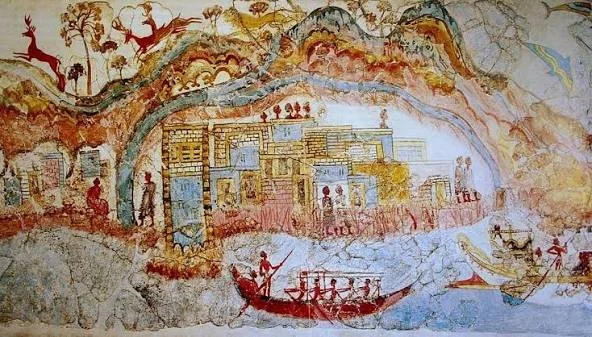
The Attraction: While Eleusis promised a better afterlife, Samothrace promised physical protection, specifically from the perils of the sea.
The Badge of Honor: Initiates were given a purple sash to wear around their waists. This acted as a talisman, and ancient records mention sailors calling upon the "Great Gods of Samothrace" during storms. This cult was famously where the parents of Alexander the Great—Philip and Olympias—first met and fell in love.
5. Why They Flourished
The Mystery Religions filled a void that the traditional Olympian religion could not. They offered three things that civic religion lacked:
Personal Agency: You chose to be initiated; you weren't just born into it.
Equality: In the eyes of the mysteries, the boundary between slave and master or man and woman often disappeared.
Hope: They addressed the universal human anxiety about what happens after the heart stops beating.
The Archaeological "Silence"
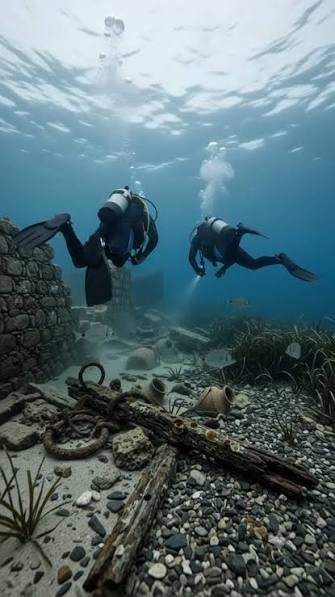
Because of the oath of secrecy, we rely heavily on archaeological finds—temple foundations, ritual vessels, and the rare gold tablets—to reconstruct these faiths. We see the "theaters" where the drama unfolded, but the script remains largely lost to time.
Since you track archaeological mysteries, does the secrecy of these cults make them more intriguing to you, or do you find the "public" evidence of their massive influence more telling?