A 1,600-year-old Egyptian mummy has stunned archaeologists with an extraordinary secret hidden deep inside its body — a fragment of Iliad, one of the greatest works of ancient Greek literature.
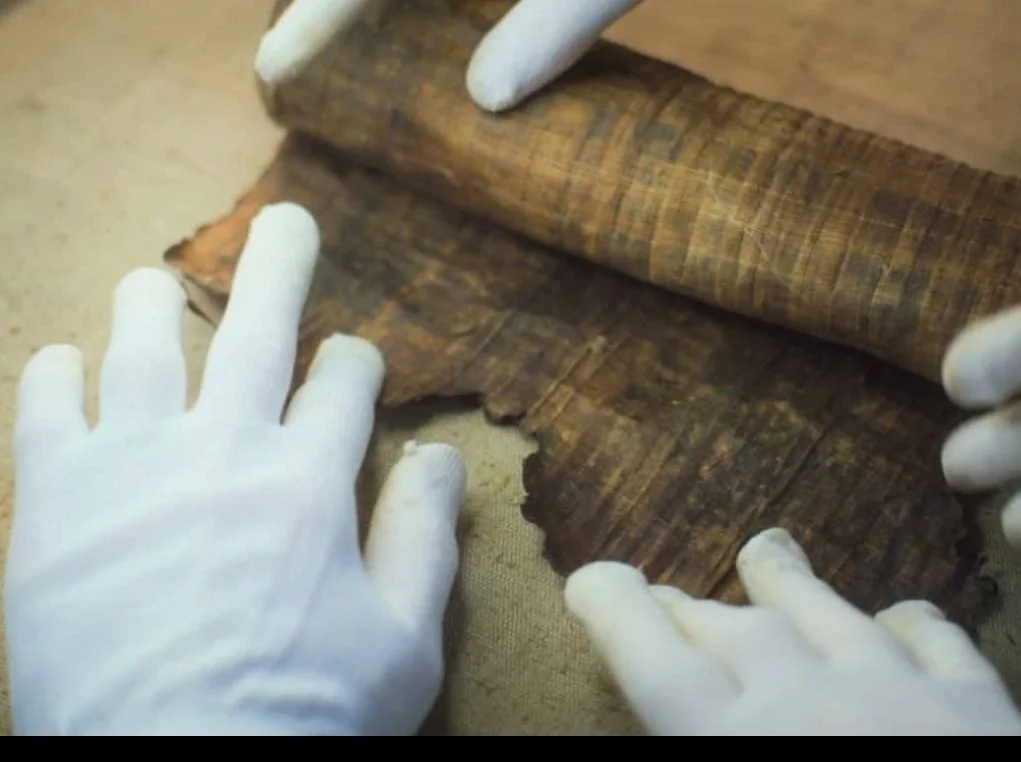
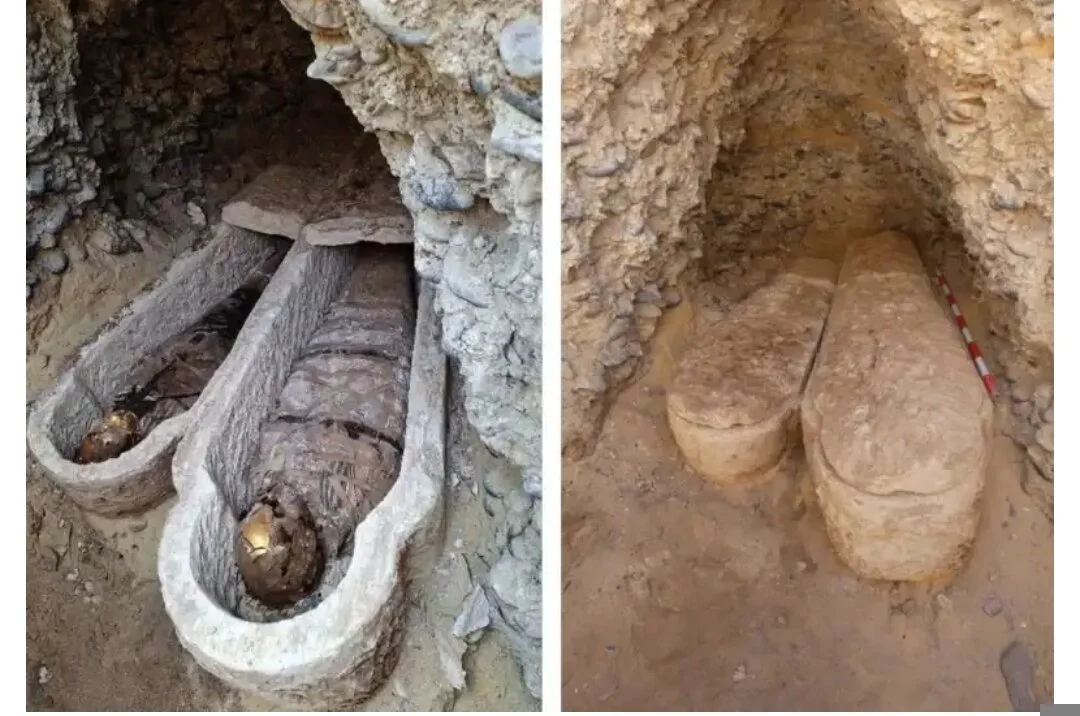
The discovery was made in the ancient city of Oxyrhynchus, in modern-day Egypt, where a Roman-era tomb revealed a mummy containing a papyrus placed inside the abdomen during the embalming process. Homer’s text, dating back nearly 3,000 years, was found not as a burial offering — but embedded within the body itself, something never seen before with a Greek literary work.
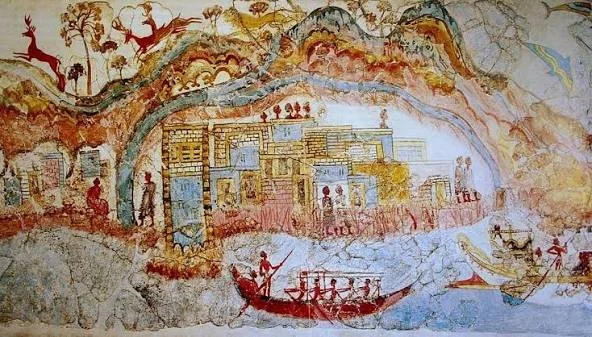
The papyrus contains passages from Book II of the Iliad, including the famous “Catalogue of Ships,” describing the Greek forces that sailed to Troy.
What makes this discovery remarkable is that while papyri have been found in mummies before, they were typically religious or magical texts meant to guide the dead into the afterlife. The use of a literary masterpiece instead suggests a deeper cultural fusion between Greek and Egyptian traditions during the Roman period.
This finding is more than an archaeological curiosity — it is proof of the far-reaching influence of Greek civilization. Even in death, the words of Homer traveled beyond borders, embedded in the rituals of another great ancient culture.
A silent testimony that Greek thought, literature, and identity were not confined to one land — but shaped the wider ancient world.