The Tale of Amphion and the Singing Walls of Thebes is one of Greek mythology's most beautiful stories about music and supernatural power.
Amphion was a legendary musician whose music was said to possess such extraordinary power that stones moved themselves into position to construct the walls of Thebes.
Amphion
Amphion was the son of Zeus and Antiope in some traditions.
He had a twin brother named Zethus.
The brothers eventually became connected with the foundation and fortification of Thebes.
Amphion and Zethus
The two brothers possessed contrasting abilities.
Zethus was associated with physical strength and practical labor.
Amphion was associated with:
music;
poetry;
harmony;
and intellectual creativity.
The Lyre
Amphion received a lyre, traditionally associated with Hermes or another divine source depending on the tradition.
His skill became extraordinary.
The Construction of Thebes
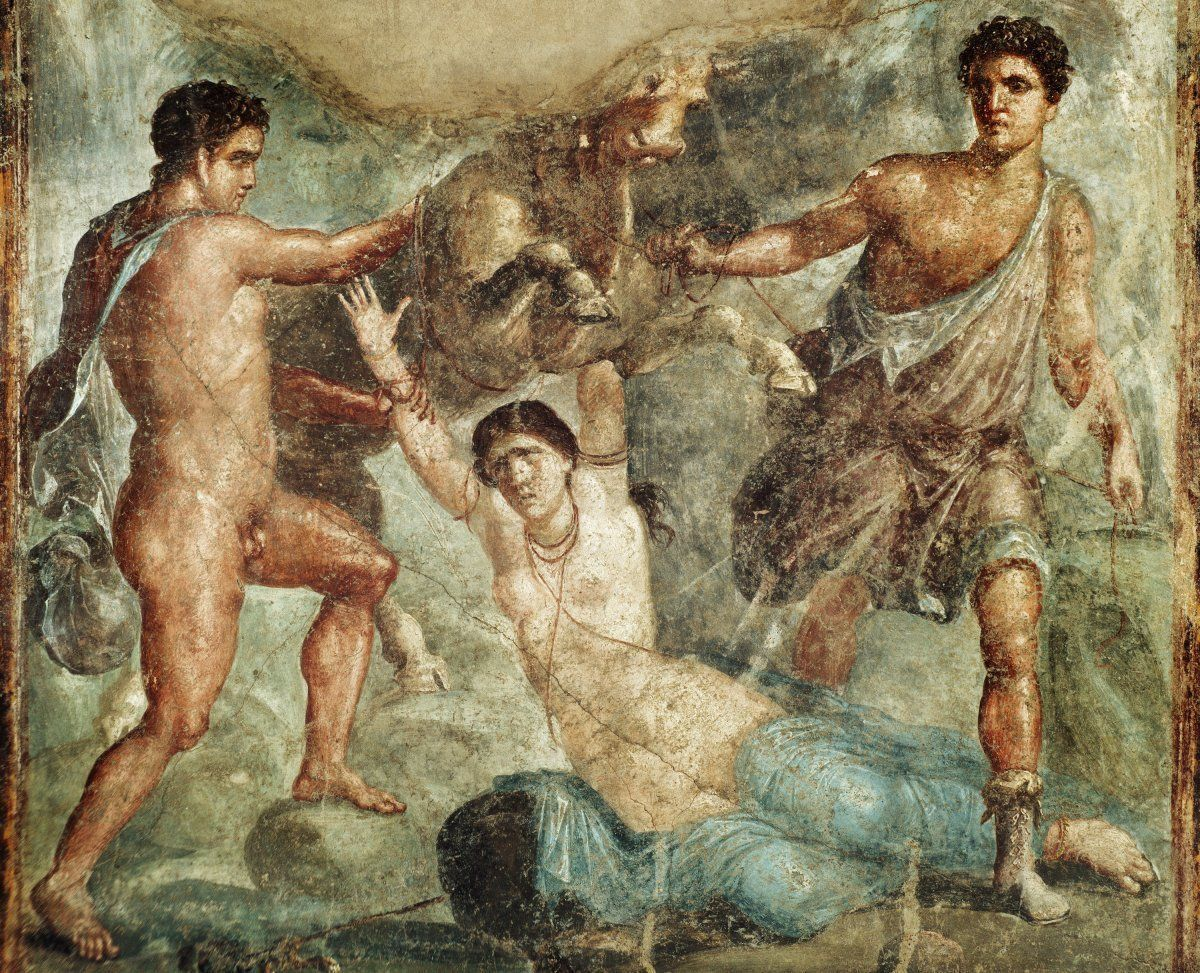
The brothers were involved in constructing the walls of Thebes.
Zethus carried stones manually.
Amphion played his lyre.
The Stones Move
As Amphion played, the stones supposedly moved into position by themselves.
Music transformed labor into effortless construction.
Music as Cosmic Power
The story reflects an ancient Greek belief in the power of music.
Music was not merely entertainment.
It could:
inspire;
organize;
persuade;
calm;
and transform emotion.
Amphion's Marriage
Amphion married Niobe, daughter of Tantalus.
Their marriage eventually became tragic because of Niobe's famous boasting about her children.
The Death of the Children
Apollo and Artemis punished Niobe after she claimed superiority over Leto.
Her children were killed.
Amphion was devastated.
The Tragic Musician
The myth therefore moves from joyful music to profound grief.
Amphion's music, once capable of moving stones, cannot prevent tragedy.
Symbolism
The story contrasts two forms of power:
Zethus → physical labor
Amphion → artistic and intellectual power
Together they represent complementary aspects of civilization.
Conclusion
The Tale of Amphion and the Singing Walls of Thebes presents music as a supernatural force capable of shaping the physical world.
Amphion's lyre does what ordinary human labor cannot.
Yet his later tragedy demonstrates that even extraordinary artistic power cannot overcome fate.