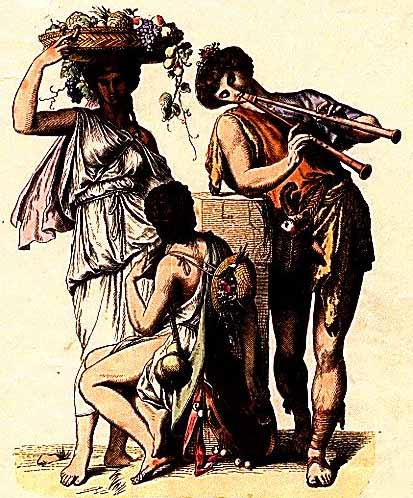
Ancient Greek Life, Society, and Culture developed across centuries and varied significantly between regions and periods.
There was never a single “Greek lifestyle.” Communities such as Athens, Sparta, Corinth, Thebes, and the many islands and colonies of the Greek world developed different customs.
Nevertheless, they shared important cultural traditions involving language, religion, political institutions, education, art, family life, warfare, trade, and social identity.
The Greek City-State
The basic political unit of much of ancient Greece was the polis, or city-state.
A polis usually consisted of:
an urban center;
surrounding agricultural land;
temples;
public spaces;
defensive structures;
and political institutions.
Athens
Athens became famous for its democratic institutions, philosophy, theater, architecture, and maritime power.
Citizens participated directly in political life, although citizenship was restricted.
Women, enslaved people, and foreigners did not enjoy the same political rights as adult male citizens.
Sparta
Sparta developed a very different social system.
It emphasized:
military discipline;
communal training;
endurance;
and obedience.
Family Life
The household, or oikos, was fundamental.
Families were responsible for:
property;
children;
religious traditions;
economic production;
and inheritance.
Education
Education differed by city.
In Athens, boys from citizen families might study:
reading;
writing;
music;
poetry;
athletics;
rhetoric;
and philosophy.
Spartan education emphasized military preparation and communal discipline.
Women
Women's experiences varied.
In Athens, respectable citizen women generally had restricted public political roles.
Spartan women had comparatively greater freedom in property ownership and physical training.
Religion
Religion was deeply integrated into everyday life.
People worshipped gods such as:
Zeus;
Hera;
Athena;
Apollo;
Artemis;
Demeter;
Dionysus;
and Poseidon.
Religious festivals were important community events.
Temples
Temples served as sacred houses for deities.
They were often decorated with:
sculptures;
painted architectural elements;
inscriptions;
and offerings.
Food
The Greek diet commonly included:
grains;
olives;
olive oil;
grapes;
legumes;
vegetables;
fish;
cheese;
and occasional meat.
Wine was an important part of social and religious culture.
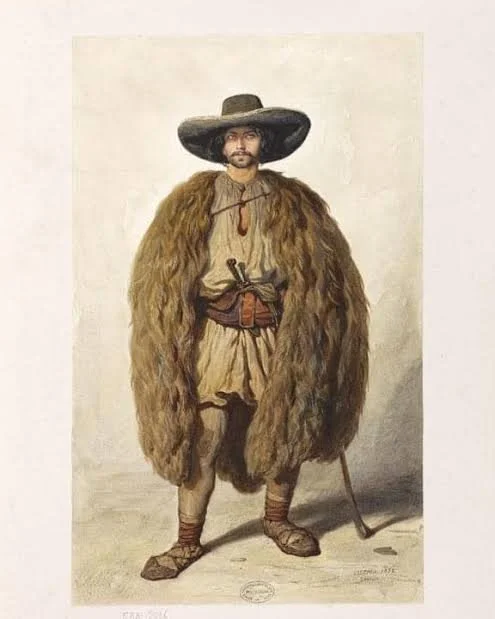
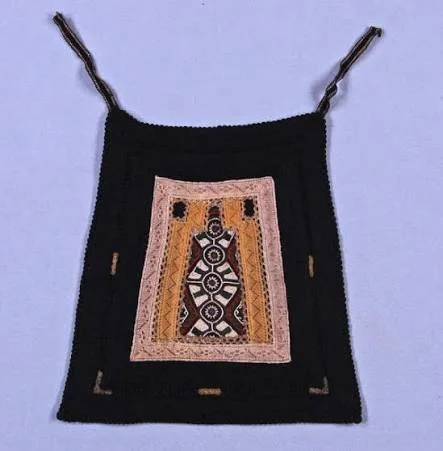
Clothing
Greek clothing was usually made from wool or linen.
Common garments included:
the chiton;
the himation;
and various cloaks.
Clothing could communicate status, gender, age, and regional identity.
Athletics
Athletics were deeply connected with Greek culture.
Events included:
running;
wrestling;
boxing;
pankration;
discus;
and javelin.
The Olympic Games became one of the most famous religious athletic festivals.
Theater
Greek theater developed from religious festivals associated with Dionysus.
Two major dramatic forms were:
tragedy;
comedy.
Theater became a major institution for examining politics, morality, religion, and human suffering.
Philosophy
Greek philosophers explored fundamental questions about:
nature;
ethics;
politics;
knowledge;
mathematics;
and existence.
Thinkers such as Socrates, Plato, and Aristotle profoundly influenced later intellectual history.
Trade and Colonization
Greek communities established colonies throughout the Mediterranean and Black Sea.
Trade connected Greece with:
Egypt;
Anatolia;
Phoenicia;
Italy;
North Africa;
and other regions.
Warfare
Greek warfare often involved heavily armed infantry known as hoplites.
They fought in organized formations called phalanxes.
Naval warfare was especially important to maritime powers such as Athens.
Slavery
Slavery was a significant part of many ancient Greek societies.
Enslaved people performed domestic, agricultural, industrial, and other forms of labor.
Any understanding of Greek civilization must recognize this fundamental inequality.
Legacy
Ancient Greek civilization influenced:
Western philosophy;
political thought;
architecture;
theater;
literature;
mathematics;
science;
art;
and education.
Conclusion
Ancient Greek Life, Society, and Culture cannot be reduced to the image of philosophers and temples.
It was a complex world of farmers, sailors, merchants, artisans, soldiers, politicians, priests, enslaved people, women, children, athletes, and intellectuals.
Its extraordinary cultural legacy emerged from the interaction of all these groups across centuries of political and social change.