• Home page/Blog
    • Ancient Greece
    • Archaeology
    • Mythology
    • Architecture
    • Artefact
    • Inventions
    • Tourism
    • News
    • Science
    • General
    • Weird
    • Recipes
    • Blog
  • About
  • Contact
Menu

GHD

  • Home page/Blog
  • History
    • Ancient Greece
    • Archaeology
    • Mythology
  • Art
    • Architecture
    • Artefact
    • Inventions
  • Travel
    • Tourism
  • Other
    • News
    • Science
    • General
    • Weird
    • Recipes
    • Blog
  • About
  • Contact

What Was Ancient Greece Like During the Roman Empire?

April 10, 2024

Ancient Greece, once a dominant force in the Mediterranean, underwent significant changes when it fell under Roman rule. While Greece experienced political and economic decline during this period, its cultural influence remained profound.

Reorganization of Greece by the Romans:

  • After conquering Greece in the 2nd century BCE, Rome established the province of Macedonia covering northern Greece, while the cities of the Peloponnese also fell under Roman rule.

  • Some southern Greek cities retained autonomy, but most had to pay tribute to Rome.

  • Augustus Caesar, the first Roman emperor, reorganized Greek territories into provinces, including Macedonia and Achaia.

Negative Impacts of Roman Rule:

  • Greece faced political decline and lost its freedom for conquest.

  • Economic autonomy diminished as Greek cities couldn't exact tribute independently.

  • Greeks reflected on their past glory during this period of dominance by Rome.

Thriving Greek Culture:

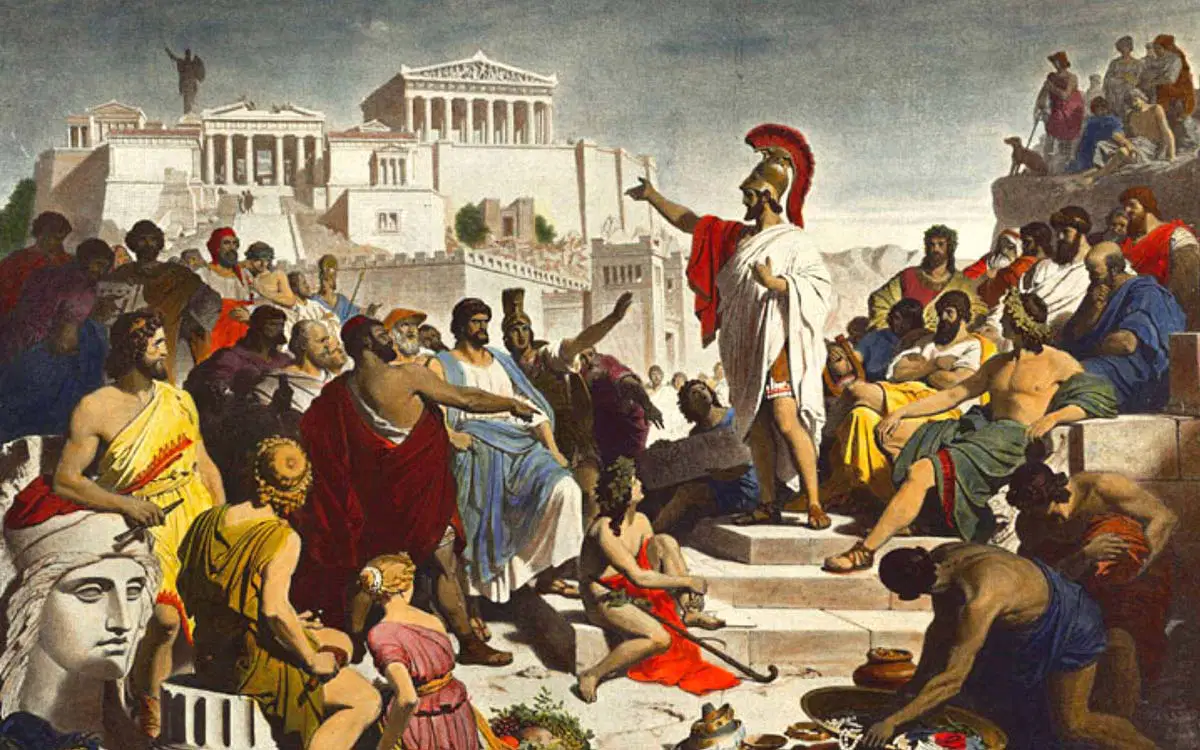
  • Despite political and economic challenges, Greek culture flourished under Roman rule.

  • Romans admired Greek religion, art, architecture, philosophy, and political ideas.

  • Greek cities like Athens remained centers of learning, attracting intellectuals from across the empire.

Language Dominance:

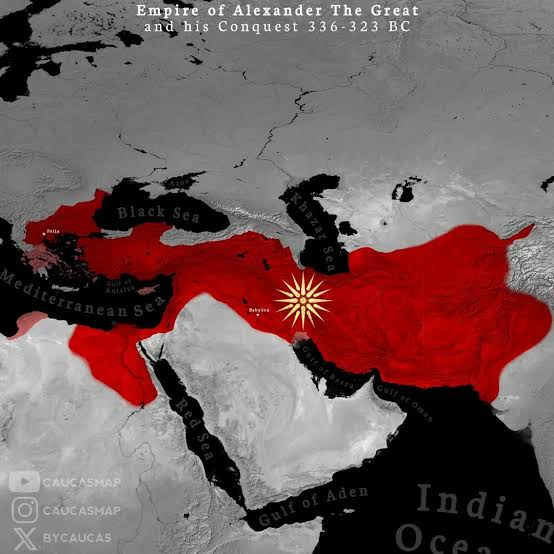
  • Greek language, spread by Alexander the Great, remained dominant throughout the Roman Empire.

  • It served as the lingua franca, and many adopted Greek culture, considering themselves "Greeks."

  • The Apostle Paul's use of "Greeks" in Christian scriptures reflects the widespread adoption of Greek language and culture.

In essence, while Greece faced political and economic setbacks under Roman rule, its cultural legacy endured and even thrived. The Romans' admiration for Greek culture ensured that Greece remained a beacon of intellectual and artistic achievement within the vast Roman Empire.
← Magic in Ancient Greece and Rome: Everything You Need to KnowDid the Dorian Invasion of Greece Actually Happen? →
Featured
processed_GridArt_20251115_102147115.jpg
Nov 15, 2025
The Essence of Greece: Why Authentic Products Matter
Nov 15, 2025
Nov 15, 2025
9ff6f9c1-c0bb-4500-bb91-e899625d8fef.jpeg
Jul 30, 2025
The Many Loves of Zeus
Jul 30, 2025
Jul 30, 2025
3b369e0c-86b6-4c02-b63d-f407d1db08e0.jpeg
Jul 30, 2025
Prometheus and the Creation of Man
Jul 30, 2025
Jul 30, 2025
1cd229c2-a49c-43f0-aac5-80124ef431da.jpeg
Jul 30, 2025
The Titanomachy: The War Between Titans and Olympians
Jul 30, 2025
Jul 30, 2025
Gemini_Generated_Image_7xe8qi7xe8qi7xe8.png
Jul 30, 2025
Chaos and the Primordial Gods: The Origins of the Universe
Jul 30, 2025
Jul 30, 2025
Gemini_Generated_Image_fy98ubfy98ubfy98.png
Jul 30, 2025
The 12 Olympian Gods: Who Were They Really?
Jul 30, 2025
Jul 30, 2025
Gemini_Generated_Image_fdg334fdg334fdg3.png
Jul 30, 2025
Alexander the Great: Conquests and Legacy
Jul 30, 2025
Jul 30, 2025
Gemini_Generated_Image_12k3i212k3i212k3.png
Jul 30, 2025
The Battle of Chaeronea and the End of Greek Independence
Jul 30, 2025
Jul 30, 2025
SEE MORE

Powered by ©GreeceHighDefinition / Privacy Policy