A beach’s true beauty lies in its cleanliness. Unfortunately, many beaches in Greece are plagued by litter, revealing a deeper issue—one that extends beyond tourism and summer negligence.
For years, Greece has struggled with waste management. Recycling remains inadequate, waste collection systems are flawed, and government policies often prioritize financial interests over environmental responsibility. As a result, Greek beaches, especially during summer, become overwhelmed with trash.
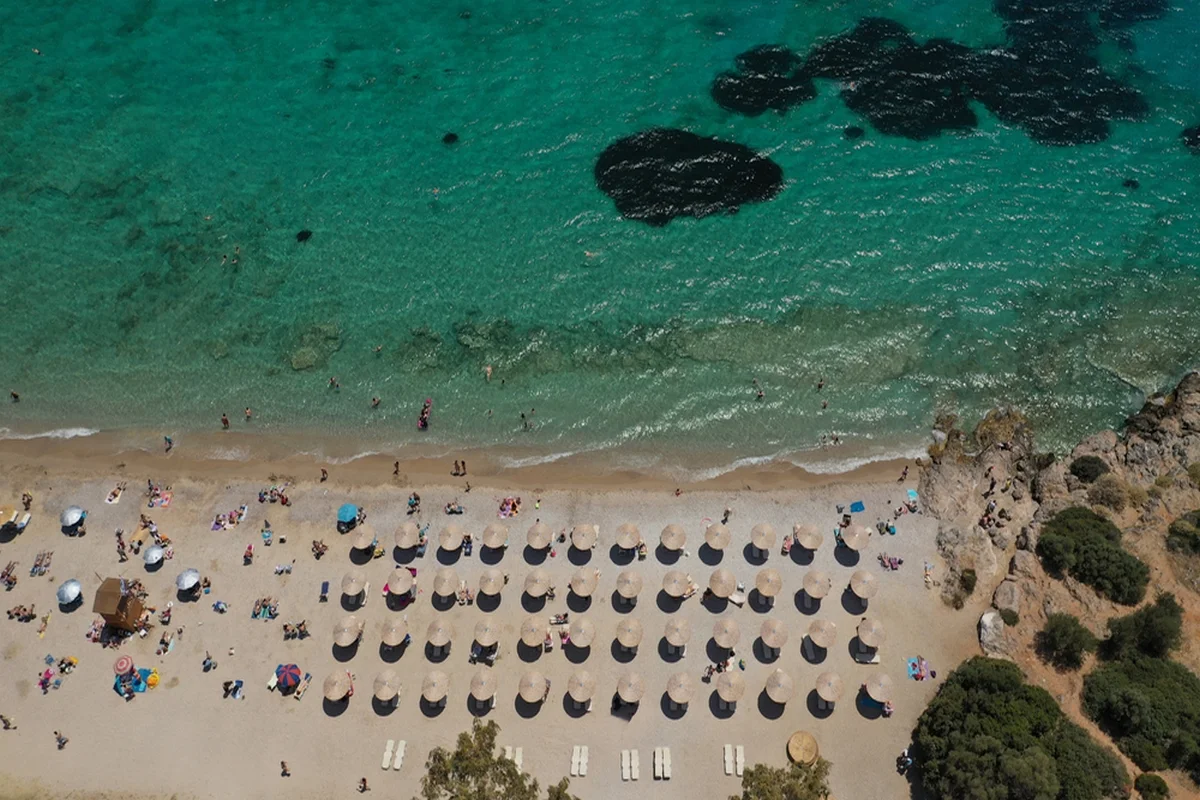
Yet, a clean beach evokes feelings of freshness, tranquility, and respect for nature. Crystal-clear waters and unspoiled shores enhance our connection to the environment, offering a serene escape. Greece, known for its breathtaking coastlines, boasts over 15,000 kilometers of shoreline and approximately 6,000 islands. Many of its beaches are world-famous for their pristine waters and rich marine biodiversity.
However, there’s another side to this story. Studies show that Greek beaches rank among the most polluted in Europe, with 82.5% of recorded waste consisting of artificial polymers and plastics.
The Most Polluted Beaches in Greece
Based on pollution levels (measured by the number of waste items per 100 meters of shoreline), the most littered beaches in Greece include:
Erotospilia Beach (Porto Rafti)
Vagionia Beach (Poros)
Apollonias Shores (Voula)
Kalamaki Beach
On the other hand, the cleanest beaches in Greece, according to recent data, are:
"Tou Psilou to Rouma" Beach (Sfakia)
Palio Beach (Kavala)
Stegna Beach (Rhodes)
Karavostasi Beach (Thesprotia)
Rakopotamos Beach (Larissa)
"Adopt a Beach" – A Citizen-Led Initiative
These findings come from a three-year study (2021–2024) by the WWF Greece coastal pollution monitoring program, "Adopt a Beach." The report categorizes the most common types of waste found on Greek shores and identifies the most and least polluted beaches.
Shockingly, 50% of all waste collected between March 2021 and April 2024 falls into just five categories. The most frequently found items include:
Cigarette butts – making up nearly 25% of total waste.
Small plastic fragments (2.5–50 cm in size).
Plastic bottle caps.
Plastic straws.
Polystyrene pieces (such as styrofoam).
During the study period, 192 monitored beaches yielded a total of 298,000 recorded waste items. The average number of top waste items per 100 meters of shoreline included:
429 cigarette butts and filters.
159 plastic fragments.
117 plastic bottle caps.
99 plastic straws.
Other common waste items included styrofoam, plastic bags, bottles, and various discarded objects.
The Bigger Picture: Pollution Across the Mediterranean
The "Adopt a Beach" program is a citizen science initiative, relying on trained volunteers to monitor and document coastal pollution. Launched in Greece in 2021, the project has mobilized 173 volunteer groups across the country. To date, they have "adopted" 192 beaches and conducted 434 cleanup and waste collection operations.
In 2023, the program expanded to Turkey and Tunisia, supported by WWF offices in those countries. In 2024, Italy joined the initiative, providing a broader Mediterranean perspective.
Early data from Turkey and Tunisia indicate similar pollution trends to Greece. Among 338 monitored beaches, the most common waste items recorded included:
78,816 cigarette butts.
30,500 plastic fragments.
23,315 plastic bottle caps and cups.
Plastic straws.
A Call for Action
The numbers paint a troubling picture, but they also highlight the power of collective action. While littered beaches reflect systemic waste management failures, initiatives like "Adopt a Beach" demonstrate that public engagement can drive change.
For Greece to protect its renowned coastlines, a shift in environmental awareness and stricter waste management policies are essential. Until then, the responsibility lies with individuals to leave no trace—ensuring that future generations inherit the pristine beaches Greece is famous for.