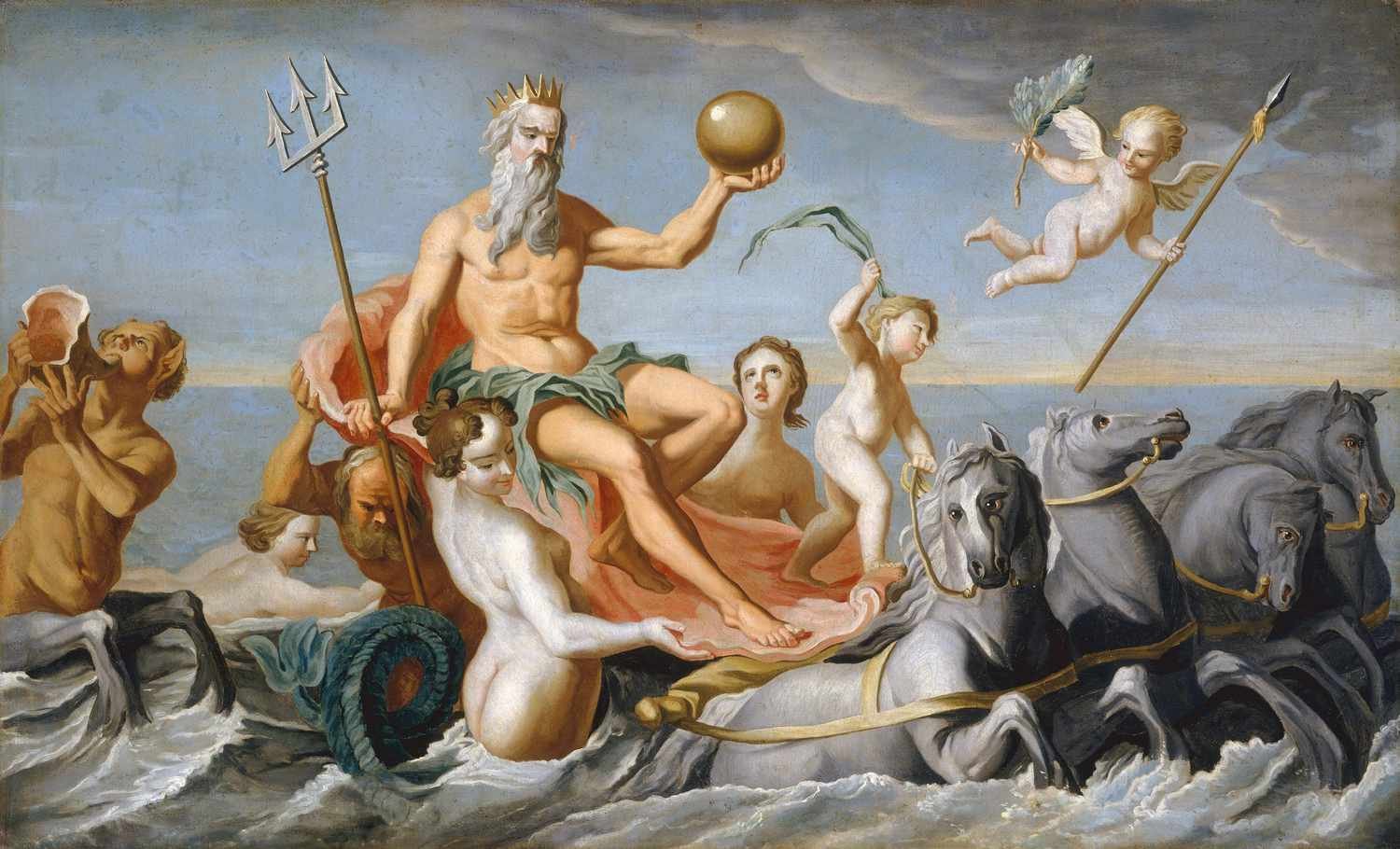
In a land surrounded by sea, it’s no surprise that the ancient Greeks held Poseidon, god of the ocean, storms, and earthquakes, in deep reverence. Known as the “Earth-Shaker” and “Lord of the Deep,” Poseidon was more than a mythological figure — he was a powerful force woven into the daily lives of sailors, fishermen, and coastal dwellers.
One of the primary ways Greeks honored this mighty Olympian was through the Festival of Poseidon, a sacred celebration that brought together religion, community, and the sea.
When and Where Was It Held?
The Poseidea (Ποσειδεία) was celebrated during the winter month of Poseideon (roughly December–January), named after the god himself. While exact dates and customs varied by region, the festival was especially important in coastal towns, island communities, and naval cities like Athens, Corinth, and Delos.
Seaside Worship and Sacred Spaces
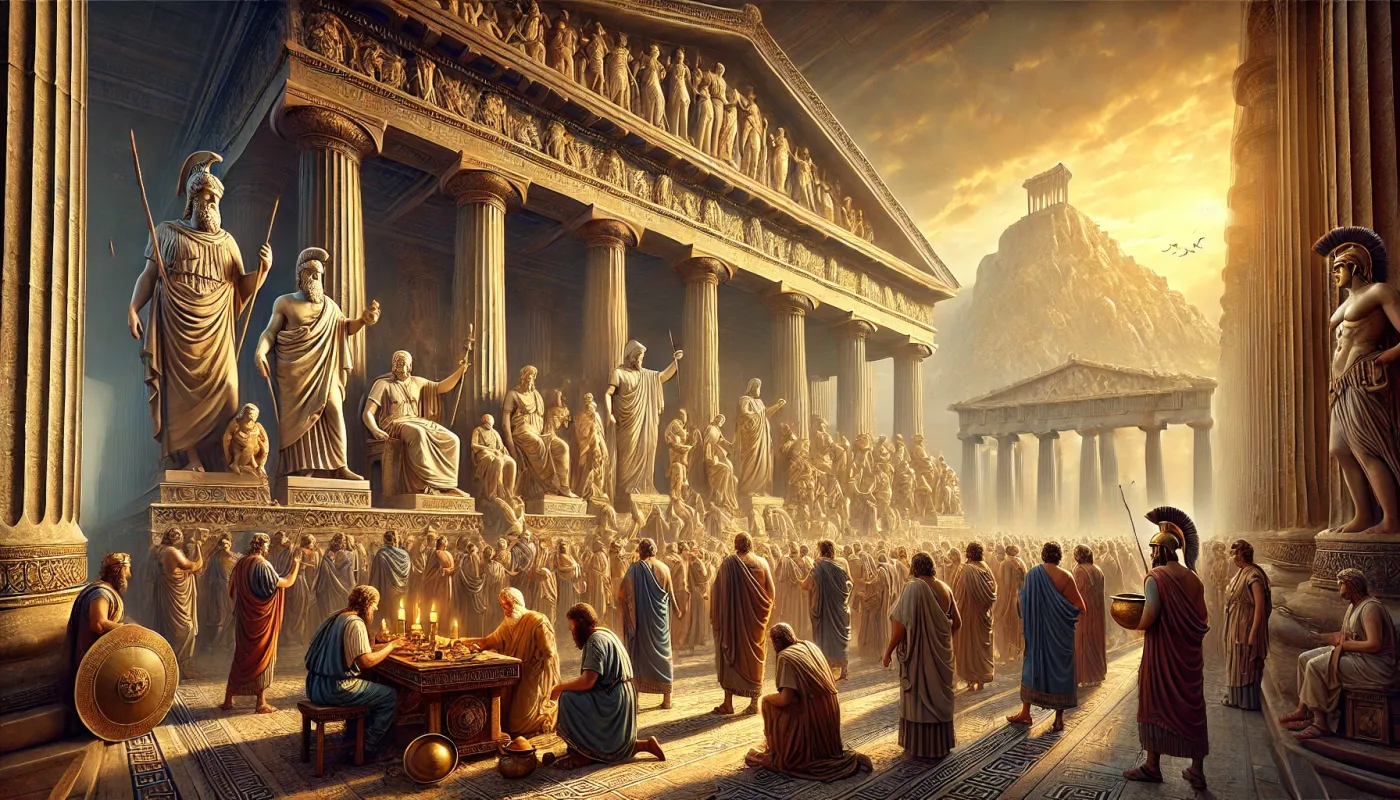
Ceremonies often took place by the shore or on cliffs overlooking the sea — natural settings that evoked Poseidon's realm. Sacred groves near the coastline or temples dedicated to Poseidon, such as the famous Temple at Sounion, became key sites for offerings.
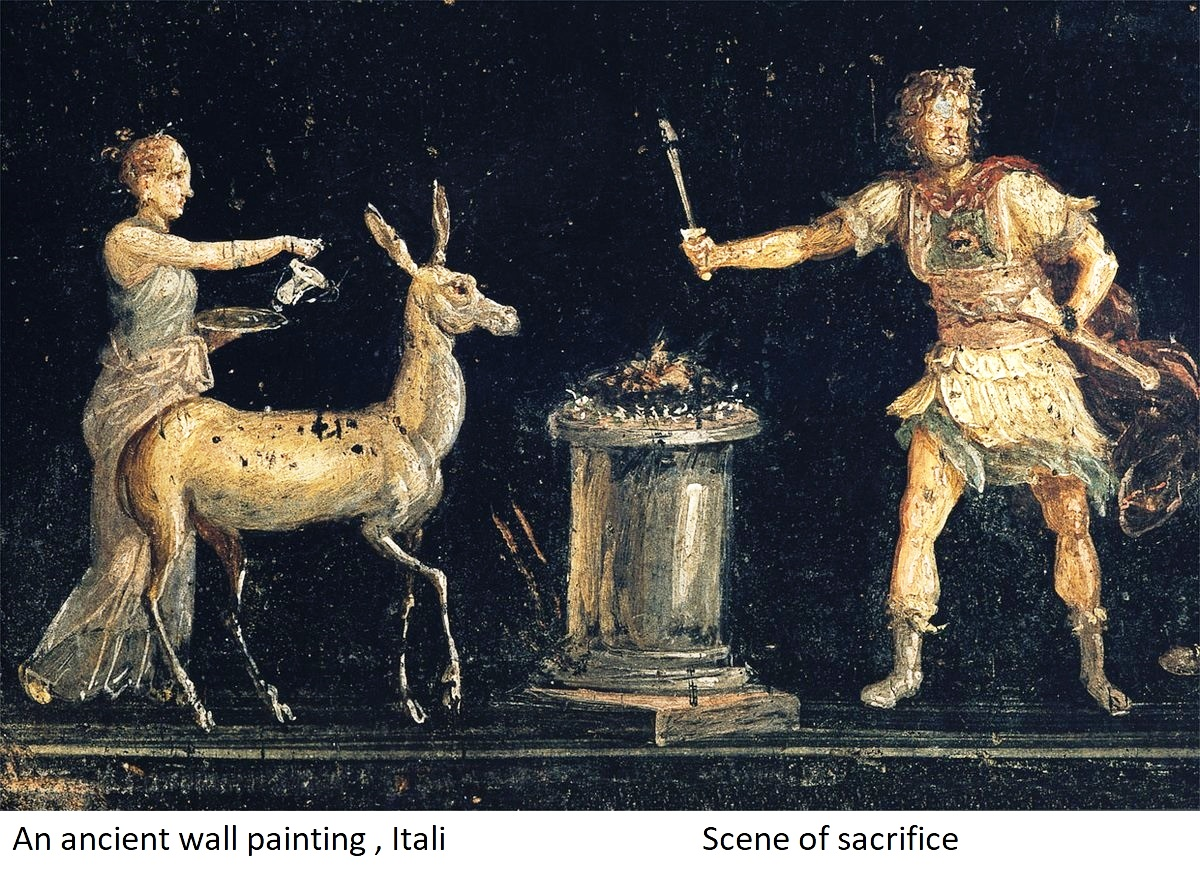
Devotees would bring wine, barley, incense, and even bulls to be sacrificed in honor of the god. The purpose? To secure safe passage, favorable winds, and protection from storms and earthquakes.
Sailors, in particular, offered gifts before setting off on voyages — or returned to the temple to give thanks for surviving dangerous seas.
Rituals and Symbols of the Sea
The festival wasn’t only solemn; it included feasting, music, and dances that celebrated Poseidon's many roles: creator of horses, master of waves, and bringer of both bounty and wrath.
Horse races and chariot races were common in his honor, since Poseidon was also believed to have created the first horse.
Saltwater was used in purification rituals, symbolizing the sea’s power to cleanse and renew.
Communities sometimes held mini regattas, where boats were decorated and paraded as floating offerings to the god.
In certain places, young men would dive into the sea to retrieve sacred objects tossed in as tributes — a thrilling act of bravery and devotion.
Poseidon’s Dual Nature
Unlike the gentle Demeter or the wise Athena, Poseidon was known for his tempestuous temperament. Festivals were both celebrations and acts of appeasement. Earthquakes, floods, and shipwrecks were seen as signs of his displeasure.
Thus, honoring Poseidon was not just an act of piety — it was a matter of survival. Whether for farmers praying for rain, or sailors begging for calm seas, worshipping Poseidon meant respecting nature’s raw power.
Why It Mattered
In a seafaring culture like Greece’s, Poseidon held sway over trade, travel, weather, and war. The Festival of Poseidon reflected both fear and reverence — a recognition that the sea could give life just as easily as it could take it away.
Today, ruins like the Temple of Poseidon at Cape Sounion, with its sweeping views of the Aegean, still echo that ancient bond between sea and sky, god and mortal.