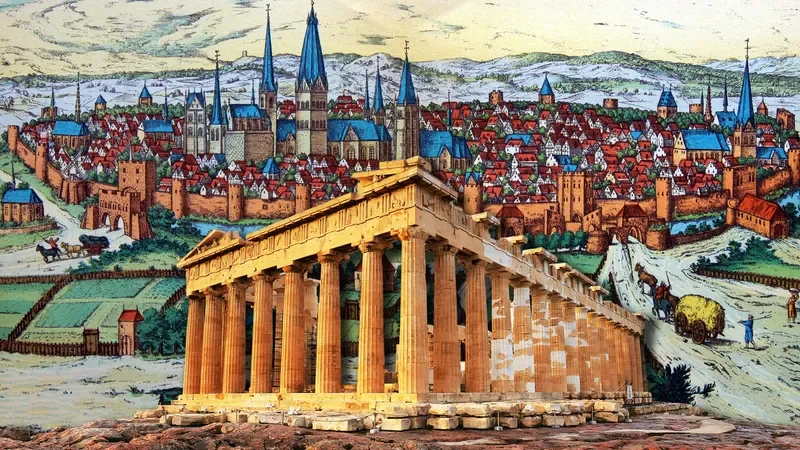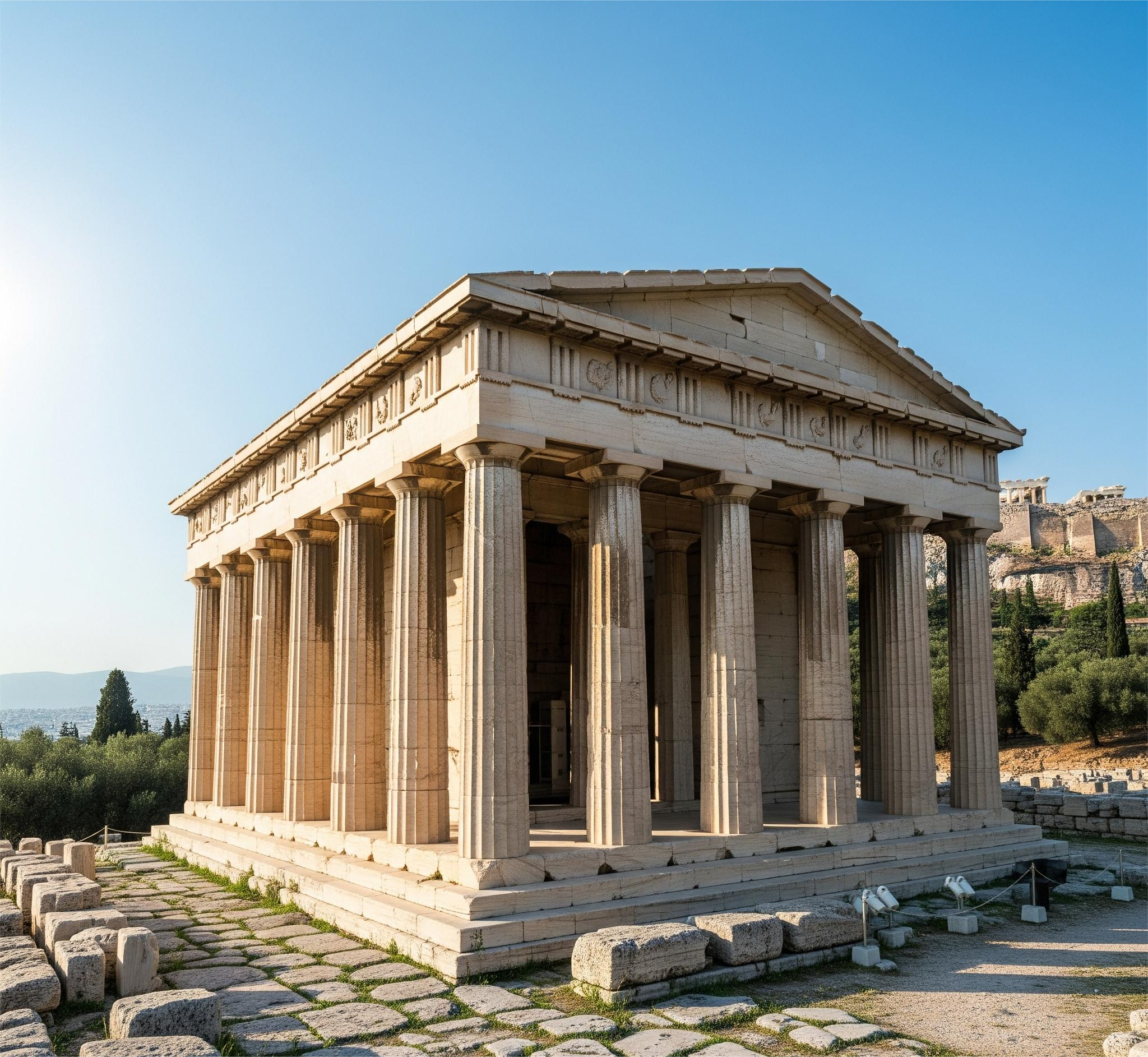
Perched above the Ancient Agora in Athens stands a remarkably intact relic of classical antiquity: the Temple of Hephaestus. Dedicated to the god of fire, metalworking, and craftsmanship, this temple is one of the best-preserved ancient Greek temples in existence today. Its survival through millennia offers an unparalleled glimpse into the architecture, religious devotion, and civic life of ancient Athens.
Let’s delve into the history, design, and significance of this awe-inspiring structure.
Who Was Hephaestus?
In Greek mythology, Hephaestus was the divine blacksmith of the Olympian gods—creator of armor, weapons, and intricate works of metal. Despite his lameness and being cast from Mount Olympus, he was revered for his skill and ingenuity. Athenians honored him not only for his artistic prowess but also for what he symbolized: the dignity of labor and the value of craftsmanship.
Architectural Overview
Built around 449–415 BCE, during the golden age of Pericles, the Temple of Hephaestus is a classic example of Doric architecture, a style known for its sturdy columns and geometric simplicity.
Key features include:
34 fluted Doric columns: 13 on each side and 6 at each end, made of Pentelic marble.
A peristyle (colonnade surrounding the temple) that gives the building a stately, harmonious appearance.
Decorated friezes that depict mythological labors of Heracles and Theseus—heroes closely associated with Athenian identity.
An inner cella (naos) that originally housed bronze statues of Hephaestus and Athena, crafted by the sculptor Alkamenes.
The temple’s excellent state of preservation is partly due to its continuous use over centuries—it was converted into a Christian church in the 7th century CE, which spared it the fate of many other ancient buildings.
Location and Significance
Situated in the northwest corner of the Athenian Agora, the temple had both religious and practical significance:
It stood near metalworking and pottery workshops, making it fitting that the god of craftsmen was honored here.
The Agora was the civic heart of Athens, and the temple’s visibility and location emphasized the importance of Hephaestus’ domain in everyday Athenian life.
Its placement on a hill also offered symbolic elevation—a literal high point for a god who elevated human skill.
Preservation Through the Ages
Unlike many ancient temples that fell into ruin, the Temple of Hephaestus was:
Used continuously as a place of worship, even during Byzantine times.
Later repurposed as a burial place for philhellenes (foreign admirers of Greek culture) in the 19th century.
Restored in the 20th century with careful archaeological care to retain original materials and structure.
This continuity has allowed the temple to remain virtually intact, making it a rare and powerful testament to ancient craftsmanship.
Visiting Today
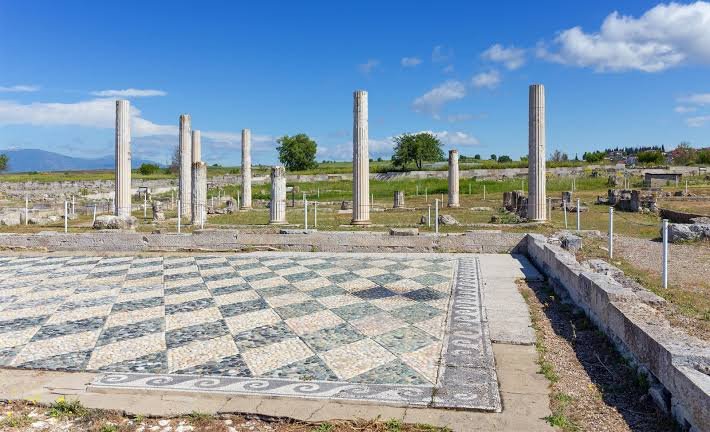
Today, visitors to the Ancient Agora archaeological site can walk among its still-standing columns, admire the detailed carvings, and imagine the clamor of the nearby blacksmiths and merchants. With the Acropolis looming in the distance and Athens sprawling around it, the Temple of Hephaestus remains both a quiet marvel and a lasting tribute to the god who celebrated the forge, the flame, and the beauty of human hands at work.