Nestled among the hills of the northeastern Peloponnese, the site of Mycenae stands as a testament to the power and complexity of one of the earliest advanced civilizations of Europe. Once home to legendary figures like King Agamemnon, Mycenae was a flourishing center of Mycenaean culture during the Late Bronze Age (c. 1600–1100 BCE). Since its excavation began in the 19th century, Mycenae has offered scholars and the public a wealth of discoveries that illuminate the political, religious, and economic life of Bronze Age Greece.
Rediscovering Mycenae
The modern archaeological story of Mycenae began in 1876, when German archaeologist Heinrich Schliemann, guided by Homeric texts, excavated the site and famously unearthed the “Mask of Agamemnon.” Though Schliemann’s interpretations were often romanticized, his excavations marked the beginning of systematic research at Mycenae.
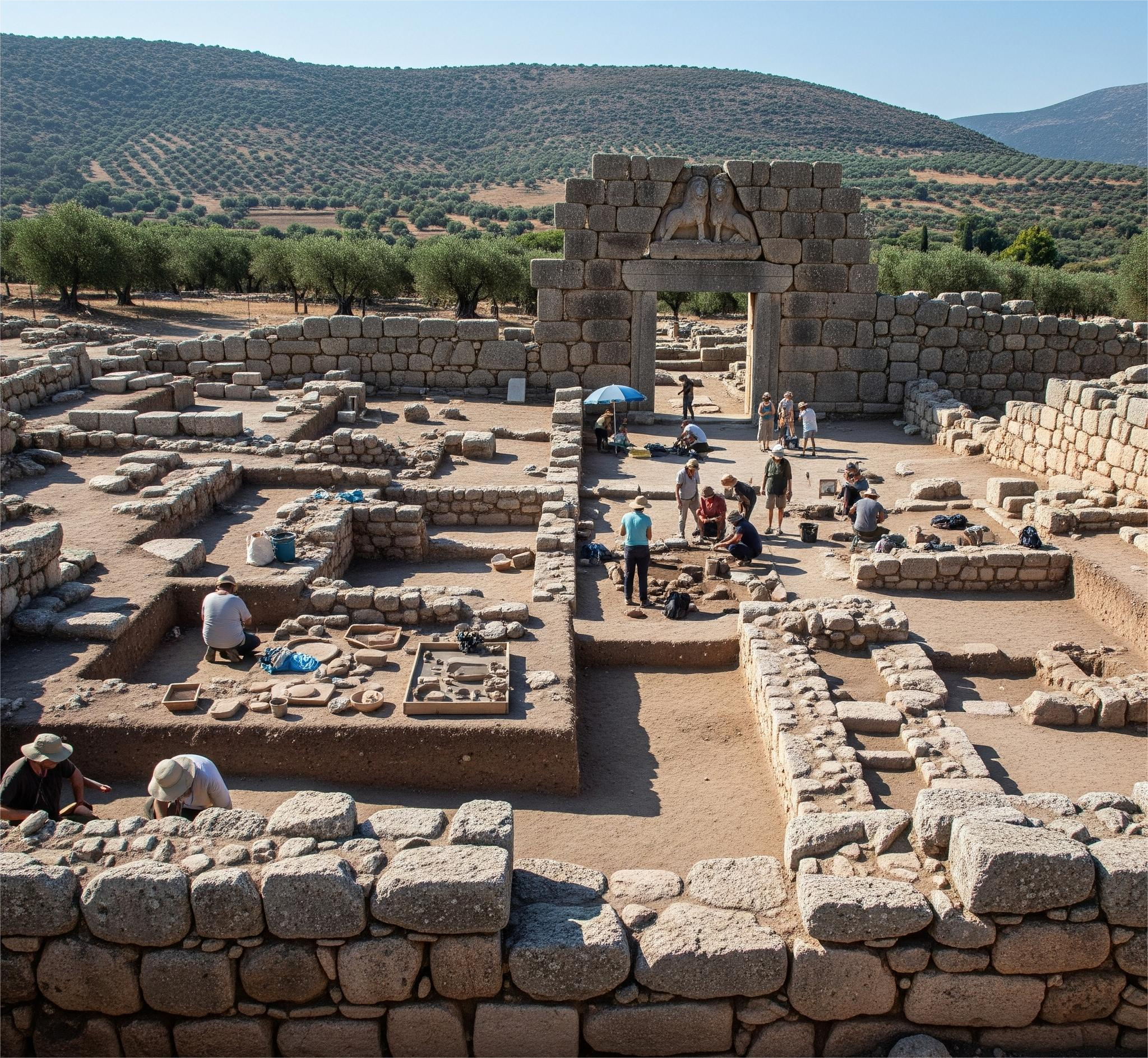
Ongoing excavations by the Greek Archaeological Society and international teams have since provided a clearer picture of Mycenae's societal structure, artistic traditions, and connections to the wider Mediterranean world.
Key Discoveries and Their Significance
Grave Circle A (16th c. BCE)
This royal burial site contained shaft graves filled with gold artifacts, weapons, jewelry, and ornate funeral masks. These discoveries demonstrate the wealth and hierarchical structure of early Mycenaean society. The graves likely belonged to warrior elites, whose lavish burials reflect both power and connections to foreign trade.
The Lion Gate (c. 1250 BCE)
The monumental entrance to the citadel, adorned with a relief of two lions, is one of the earliest and most iconic examples of monumental sculpture in Europe. Its presence symbolized the strength and divine protection of the Mycenaean rulers.
The Palace Complex
At the heart of the citadel lies the megaron, the grand throne room with a central hearth, surrounded by storage rooms, workshops, and administrative spaces. This layout reveals a centralized bureaucratic economy, controlled by the ruling elite, with designated areas for taxation, production, and storage.
Tholos Tombs (Beehive Tombs)
Located just outside the citadel, these grand domed tombs like the Treasury of Atreus showcase advanced engineering and architectural skill. They were likely used for generations of elite burials, highlighting the importance of ancestry and dynastic continuity in Mycenaean culture.
Linear B Tablets
Although more commonly associated with Pylos and Knossos, Linear B tablets found at Mycenae provide insights into the use of early Greek writing for administrative purposes. These clay records list inventories, offerings, and personnel, revealing a literate and highly organized society.
What the Finds Tell Us About Mycenaean Civilization
1. A Warrior Aristocracy
The prominence of weapons and armor in graves, and the fortified design of the citadel, suggest a culture where military strength was central to power and identity. Mycenaean kings were warrior-leaders who defended and expanded their territory.
2. International Trade and Influence
Artifacts made from imported materials like amber, ivory, and lapis lazuli indicate wide-ranging trade networks extending from the Near East to central Europe. Mycenae was a key player in the Late Bronze Age’s international economy.
3. Religious and Ritual Practices
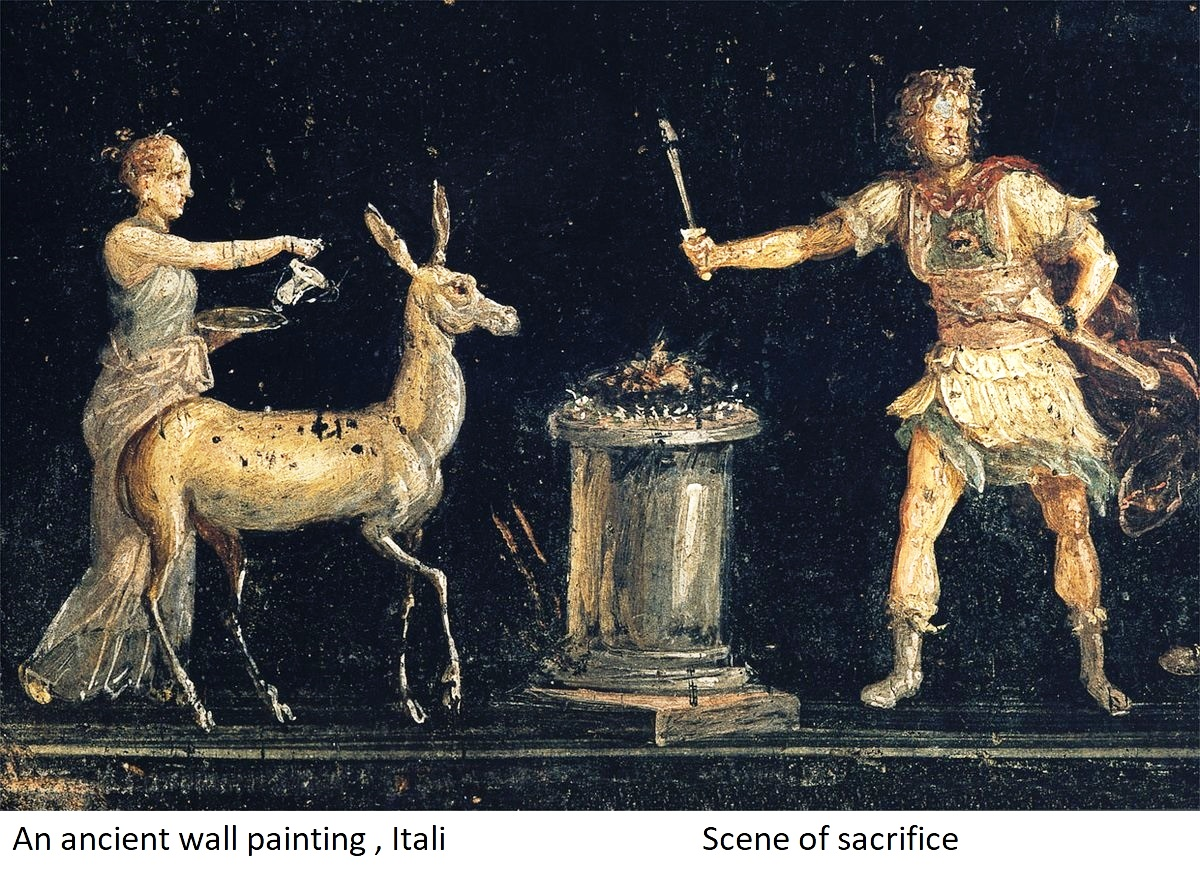
References to gods such as Poseidon and Zeus in Linear B tablets and evidence of ritual offerings suggest continuity with later Greek religious practices. Temples or shrines within the citadel further imply that religion was deeply tied to political authority.
4. Social Hierarchy and Administration
The separation of palatial and residential areas, combined with bureaucratic records, indicates a stratified society governed by a palace-centered administration. The king (wanax), his officials, and scribes formed a ruling class over artisans, laborers, and farmers.
The Collapse of Mycenae
Around 1200 BCE, Mycenae, like many other Bronze Age centers, fell into decline. Whether due to internal revolt, natural disaster, invasions (possibly by the "Sea Peoples"), or the breakdown of trade networks, the result was a cultural and economic collapse. Mycenae was eventually abandoned, and the region entered a Dark Age, during which writing was lost and large-scale construction ceased for centuries.