Modern Greek theater is both a reflection of the country’s deep classical roots and a dynamic, evolving art form that continues to explore timeless themes in new ways. Drawing from the legacy of ancient playwrights like Aeschylus, Sophocles, and Aristophanes, today’s Greek theater honors its origins while pushing boundaries in performance, staging, and interpretation.
A Living Legacy of Classical Drama
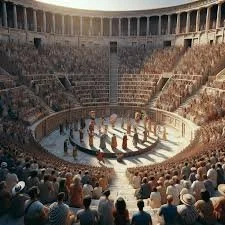
Greece is one of the few places where ancient tragedies and comedies are still performed in the very theaters where they were first staged. Every summer, venues like the Epidauros Theatre and the Odeon of Herodes Atticus in Athens come alive with the works of Euripides and Aristophanes, performed under the stars. These productions, part of festivals such as the Athens and Epidaurus Festival, attract local and international audiences alike.
While the texts are often faithful to the originals, the interpretations are anything but static. Directors use minimalist or avant-garde staging, modern costumes, and contemporary music to make ancient themes—fate, power, justice, resistance—resonate with modern viewers.
New Voices and Political Theater
Greece’s turbulent 20th century history, including occupation, dictatorship, and economic hardship, has deeply influenced its theater. Playwrights like Iakovos Kambanellis, often called the father of modern Greek theater, brought personal and national struggles to the stage. His works, such as The Courtyard of Miracles, blend poetic realism with social commentary.
Theater has remained a vital space for political expression, particularly during times of censorship and crisis. During the 1967–1974 military junta, theater companies often used allegory and coded messages to critique authoritarianism. Even today, amid economic and social uncertainty, Greek playwrights and performers continue to challenge norms and provoke dialogue.
Experimental and Independent Scenes
Athens, Thessaloniki, and other cities have thriving experimental theater scenes. Small venues and independent companies are known for bold, immersive productions that reinterpret Greek classics or tackle contemporary issues. These performances often use multimedia, improvisation, and non-traditional settings—like warehouses or archaeological sites—to create fresh experiences.
One trend is site-specific theater, where performances take place in spaces that align with the play’s themes. For example, a production of Antigone might unfold in a courthouse or abandoned industrial site, heightening its message of law, defiance, and moral responsibility.
Theater and Education
Greek schools and universities continue to teach drama as a vital part of cultural education. Students often stage ancient plays or write modern interpretations, connecting with their heritage while developing critical thinking and performance skills. The National Theatre of Greece also offers programs to bring classical and modern drama to wider audiences, including youth and marginalized communities.
Global Recognition
Modern Greek theater is increasingly recognized on the international stage. Greek productions regularly tour Europe and beyond, and Greek artists collaborate with global directors and festivals. This exchange has enriched Greek theater with new techniques and perspectives while reinforcing its place in world culture.