Living light, cave ecology, and the difference between a scientific possibility and a documented discovery.
When Darkness Appears to Glow
In a dark forest or cave, a faint greenish glow can transform an ordinary landscape into something extraordinary. Some fungi produce light through biochemical reactions, while certain marine organisms create luminous displays in water. These natural phenomena have inspired stories of enchanted forests, glowing caves, and hidden ecosystems.
The idea of bioluminescent fungi in the karst landscapes of Pelion brings together fungal biology and cave geology. However, a distinction is necessary: no specific population of glowing fungi in Pelion's karst systems should be treated as established without a reliable biological record.
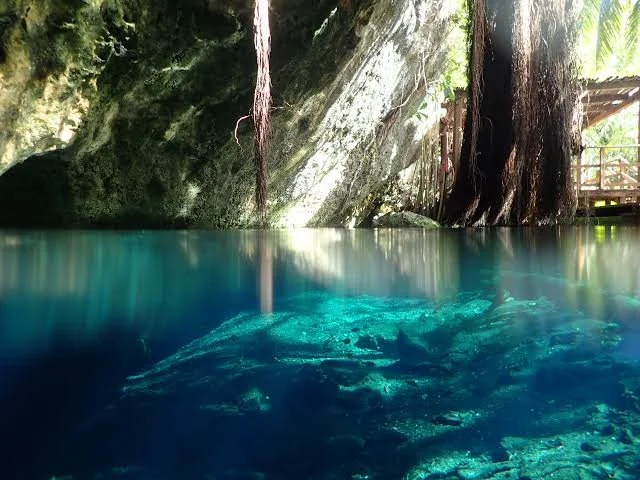
The word cenote is most strongly associated with sinkholes and water-filled limestone cavities in Mexico, particularly the Yucatán Peninsula. Although sinkholes and karst cavities occur in many parts of the world, using the term for a Greek feature requires care and an accurate geological description.
How Fungi Produce Light
Bioluminescence is the production of light by a living organism through a chemical reaction. In bioluminescent fungi, the process involves a biochemical pathway that produces light through the oxidation of a light-emitting compound.
The glow may be visible in fungal fruiting bodies, mycelium, or other tissues, depending on the species. In many cases, the light is subtle and becomes noticeable only after the eyes adjust to darkness.
Scientists continue to investigate why fungi produce light. Proposed explanations include interactions with insects that may help disperse spores, although the ecological role can vary and is not fully understood for every species.
Not all fungi that grow in dark environments glow. A cave's darkness does not automatically encourage bioluminescence, and unusual lighting effects can also come from reflective mineral surfaces, human equipment, or other organisms.
Pelion's Geological Environment
Pelion, in central Greece, is known for its mountainous terrain, forests, streams, and diverse landscapes. Its geological setting includes different rock types and structural features, and localized karst processes may occur where soluble carbonate rocks are present.
Karst develops when water dissolves susceptible rocks, especially limestone and dolomite. Over time, this process can produce fissures, underground drainage networks, caves, and sinkholes. The exact features depend on rock composition, fractures, rainfall, and the duration of geological activity.
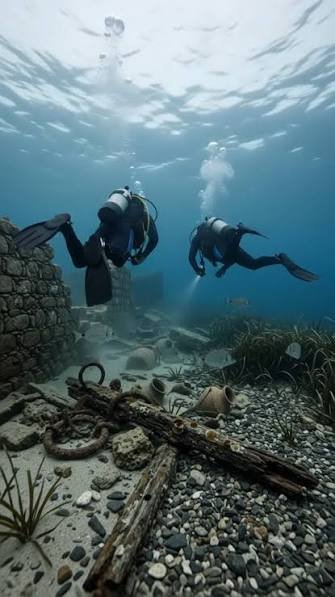
A proper investigation of any alleged Pelion cave or sinkhole would begin by identifying its location and geology. Researchers would then establish whether it is genuinely a karst feature, a surface depression, a spring, or another type of landscape.
The presence of a suitable cave environment would still not establish that bioluminescent fungi inhabit it.
How Researchers Would Investigate a Glowing Cave
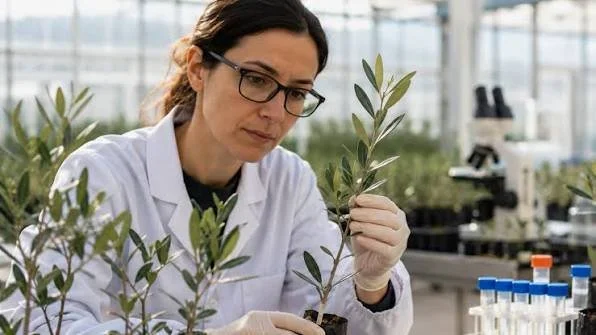
Biologists searching for bioluminescent fungi would document the organisms under controlled conditions and identify them using microscopy, DNA analysis, and comparisons with recognized species. Photographs can record visible light, but they cannot reliably identify a species on their own.
Environmental measurements would also be important. Temperature, humidity, airflow, organic material, and seasonal changes can influence fungal growth. Researchers would need to avoid introducing artificial light or disturbing sensitive cave habitats during observation.
A confirmed discovery would require repeatable evidence that the light originates from a fungus rather than another source. Species identification and a published record would allow other researchers to evaluate the finding.
Protecting Cave Ecosystems
Caves and underground water systems can be ecologically sensitive. Visitors may introduce contaminants, damage delicate formations, disturb wildlife, or alter the conditions that support specialized organisms.
If a genuine bioluminescent fungal population were discovered in Pelion, careful management would be essential. Researchers could restrict access to vulnerable areas, use low-impact observation techniques, and document the ecosystem without unnecessarily collecting specimens.
For now, the title offers a fascinating scientific question rather than a verified local phenomenon. The real wonder lies in understanding how organisms generate light, how karst environments develop, and how careful research can distinguish a remarkable possibility from an established discovery.