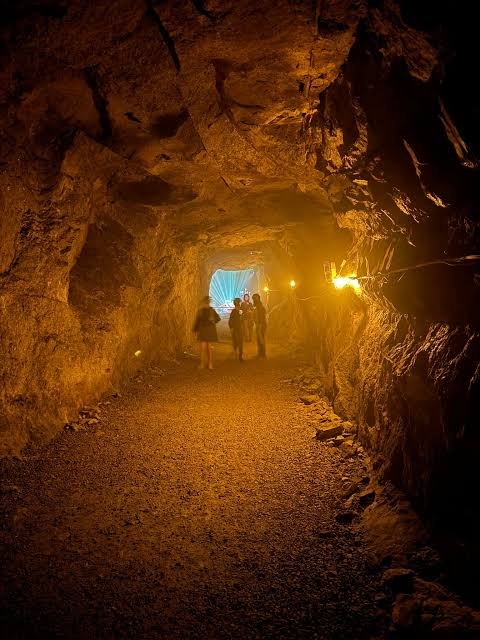
Ancient metallurgy, mountain mining, and the supernatural imagination of subterranean workshops.
The Mountains Beneath the Surface
The Taygetus mountain range extends through the Peloponnese, creating a dramatic landscape of steep slopes, valleys, forests, and settlements connected by difficult routes. Mountains have historically provided communities with resources, grazing areas, building materials, and access to mineral deposits. They have also become settings for stories about hidden chambers, supernatural inhabitants, and extraordinary activities beneath the earth.
Mining landscapes possess a particular atmosphere because much of their history can remain concealed. An abandoned opening may lead into an uncertain passage, while old workings can be difficult to distinguish from natural rock formations. Even when a mine is well documented, its earlier phases may be poorly understood.
The title's reference to troll forges beneath Taygetus combines the history of underground work with a creature most strongly associated with Scandinavian and other northern European folklore. Trolls are not an established historical explanation for mining activity in the Peloponnese, and claims about specific iron mines in Taygetus must be checked against geological and archaeological records.
The broader subject is nevertheless rich: how did people extract and process metals, what traces did they leave behind, and why have subterranean spaces become settings for stories about supernatural smiths?
The Archaeology of Ancient Metalworking
Metal production transformed many ancient societies. The extraction of ores, preparation of fuel, construction of furnaces, and processing of metal required specialized knowledge and coordinated labor. Communities that developed reliable access to metals could use them for tools, weapons, household objects, and trade.
Iron production involved several stages. Ore had to be identified and collected, fuel prepared, and a furnace operated under appropriate conditions. In many ancient smelting processes, iron-rich material was heated with charcoal, allowing the metal to be separated from impurities through a series of physical and chemical changes.
The resulting material was not necessarily a ready-made iron object. Depending on the process, a bloom of iron and slag might require further working through repeated heating and hammering. Skilled smiths then shaped the metal into usable tools or other objects.
Archaeologists can investigate these processes through furnaces, slag deposits, charcoal remains, ore fragments, and the tools associated with metalworking. The distribution of these materials may reveal whether production took place near an ore source, in a settlement, or at a location selected for fuel and transportation.
For Taygetus, the first task would be to establish which mining and metallurgical activities are documented in the region and to what periods they belong. Geological potential alone does not prove that a particular ancient iron mine existed, and evidence of mining does not establish the presence of a hidden forge.
Why Underground Smiths Became Supernatural Figures
Across many cultures, metalworkers have been associated with extraordinary skills. The ability to transform hard stone or raw metal into useful objects requires knowledge that can appear almost magical to someone unfamiliar with the process. Fire, glowing metal, heavy tools, sparks, and the rhythmic sound of hammering all contribute to the distinctive atmosphere of a forge.
European folklore developed stories about supernatural smiths, dwarfs, trolls, and other beings associated with underground spaces or hidden workshops. These figures often possess exceptional technical abilities and can create objects that ordinary craftsmen cannot reproduce. Some traditions portray them as helpful but unpredictable, while others emphasize their danger or hostility toward humans.
Trolls belong primarily to northern European folklore, especially traditions associated with Scandinavia. Their characteristics differ across stories, and their association with underground workshops should not be treated as a universal belief or transferred automatically to Greece.
Greek mythology contains its own traditions about extraordinary craftsmanship. The divine smith Hephaestus is associated with metalworking and the production of remarkable objects. Ancient literature describes divine workshops and creations that exceed ordinary human ability, providing a culturally relevant comparison with the broader motif of supernatural smiths.
A comparative article could examine how different societies represented the mystery of skilled metalworking. The focus would be on documented mythology and folklore rather than a claim that Scandinavian trolls were believed to operate furnaces beneath Taygetus.
Mining Landscapes and the Evidence Left Behind
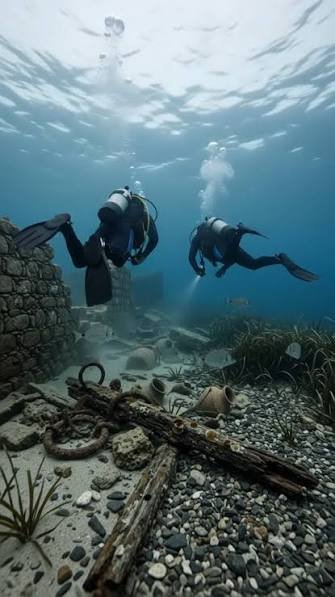
Abandoned mines can preserve traces of historical work, including extraction pits, spoil heaps, tunnels, pathways, and structures associated with processing materials. Their interpretation can be difficult because different periods may have reused the same location, while natural erosion and later activity can obscure earlier evidence.
Geologists can investigate the composition of local rocks and identify deposits that might have attracted historical mining activity. Archaeologists can then examine whether there is evidence of human extraction, processing, or transport. Historical documents may provide additional information about ownership, production, taxation, or the economic importance of a particular resource.
Geophysical surveys and three-dimensional mapping can help record mine openings and underground features, although abandoned mines can be dangerous and require appropriate professional assessment. Archaeological investigation should not involve entering unstable workings without the necessary expertise and safety measures.
Metalworking residues are especially informative. Slag can sometimes reveal aspects of smelting technology, while charcoal and other materials may assist with dating when suitable samples and methods are available. Chemical analysis may also help researchers compare ore sources with the composition of metal objects, although such interpretations require care.
These techniques provide a practical way to investigate whether a historical mining or smelting industry existed in a particular area. They cannot identify a supernatural forge, but they can reveal the human knowledge, labor, and resources involved in transforming mineral deposits into useful materials.
The Hidden Workshop as a Cultural Idea
The underground workshop is a powerful narrative setting because it brings together several forms of uncertainty. The space is physically hidden, the work depends on specialized knowledge, and the transformation of raw material into a finished object can seem extraordinary. Stories about supernatural craftsmen turn these features into memorable images.
Such narratives can also express social attitudes toward skilled labor. A smith may be admired for technical ability yet feared because the work involves intense heat, dangerous tools, and knowledge that not everyone possesses. The craftsman's workshop becomes a place where ordinary materials are transformed through controlled violence and expertise.
Researchers studying metalworking folklore can compare stories about smiths with the archaeological record of furnaces and workshops. They can examine how technological changes affected the status of craftsmen and how literary traditions represented the production of exceptional objects.
For the Taygetus region, the most credible investigation would establish the local mining history first, then compare it with Greek traditions about Hephaestus and broader European stories about supernatural smiths. If no evidence supports the existence of a particular mine or local troll tradition, that limitation should be made explicit.
The title can still serve as an engaging entry point into the archaeology of mining and metallurgy. Its real historical depth comes from the people who worked underground, the difficult processes they mastered, and the cultural imagination that turned hidden workshops into places of extraordinary power.