Introduction
Chios is historically associated with mastic, an aromatic resin obtained from the mastic tree, Pistacia lentiscus var. chia. Mastic production is particularly connected with the southern villages of the island, commonly known as the Mastic Villages.
The resin has long been valued for its distinctive aroma and has been used in food, traditional preparations, and other products.
Its potential use in contemporary perfumery provides an opportunity to connect a traditional agricultural product with modern fragrance design.
Mastic Production and Characteristics
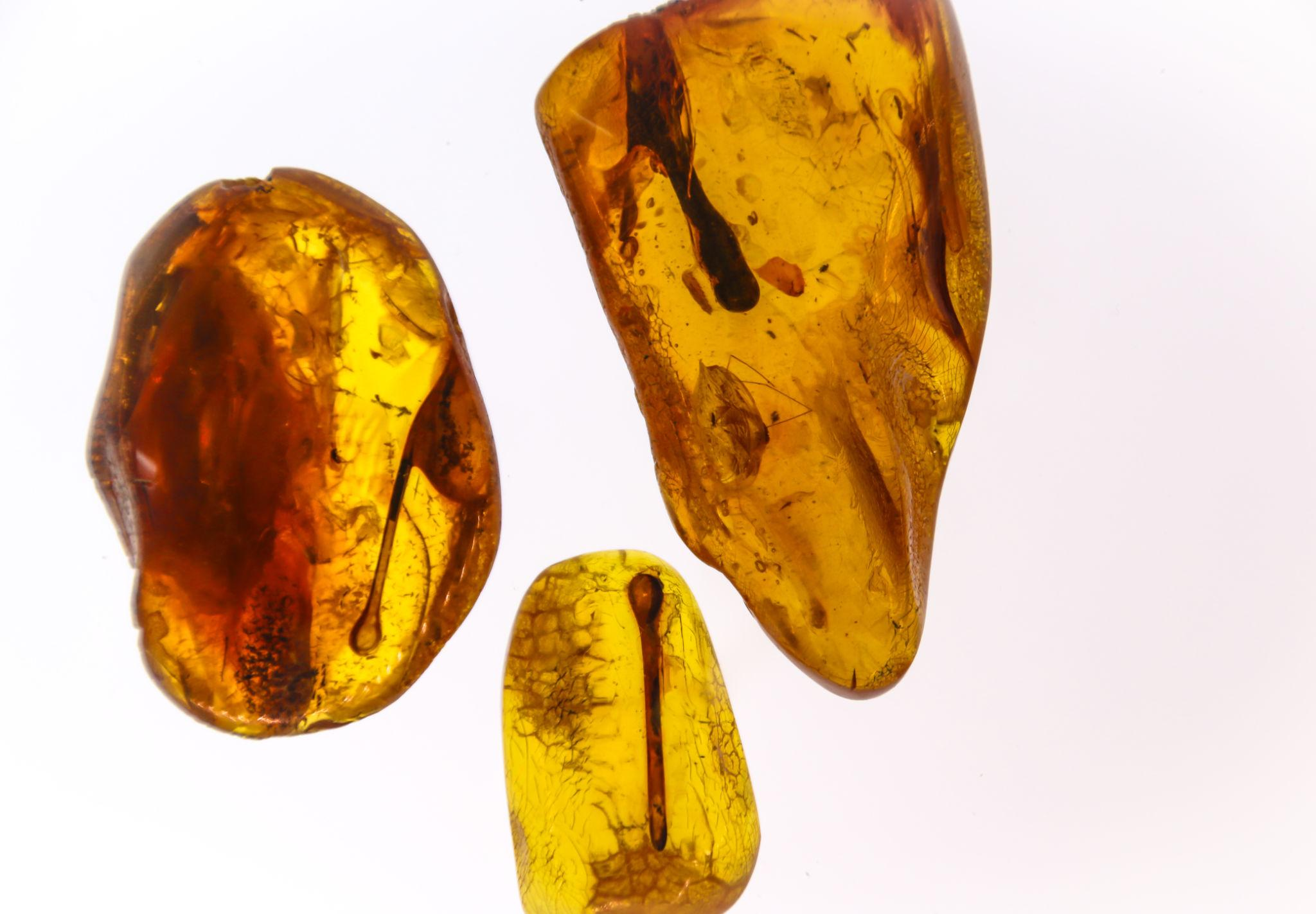
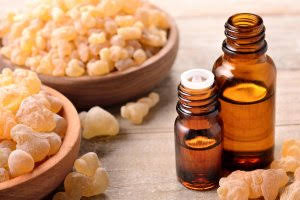
Mastic is obtained by making controlled incisions in the bark of the mastic tree. Resin gradually emerges and hardens into droplets that can be collected and processed.
The resin has a distinctive aromatic profile, often described as fresh, woody, balsamic, and slightly herbal.
Its chemical composition includes volatile and non-volatile compounds that contribute to its scent and physical properties.
The traditional production process requires patience and specialized knowledge, making it an important part of the island's agricultural heritage.
Mastic in Contemporary Perfumery
Perfume houses could explore mastic as a fragrance material in different compositions.
Potential combinations might include:
Mastic with citrus notes for a fresh fragrance.
Mastic with woody materials for a warm composition.
Mastic with herbal notes for a Mediterranean-inspired scent.
Mastic with floral materials for a more complex perfume.
Mastic with resinous ingredients for a deeper base.
The final fragrance would depend on the extraction method, concentration, and interaction with other ingredients.
Extraction and Formulation
Perfume development may involve different extraction and processing techniques. These can influence the aroma and chemical profile of the resulting material.
Formulators must assess purity, stability, skin compatibility, and regulatory requirements.
The use of natural materials does not automatically guarantee safety or freedom from allergic reactions.
Cultural and Economic Value
Collaborations between Chian producers and international perfume houses could create opportunities for value-added products.
They could also increase awareness of traditional mastic cultivation and the people who maintain it.
Responsible sourcing is essential. Increased demand should not undermine traditional production systems or encourage misleading claims about the origin of ingredients.
Conclusion
Chian mastic offers an interesting connection between traditional agriculture and contemporary perfumery. Its distinctive aromatic qualities could inspire new fragrance compositions while supporting the cultural and economic importance of mastic production on Chios.