Introduction
Delphi is widely recognized for its archaeological sanctuary and its historical association with religious consultation in ancient Greece. Its modern significance also provides an opportunity to consider the relationship between scientific technology, environmental monitoring, and cultural heritage protection.
Nanofiber-based gas sensors are a developing area of materials science. Their small-scale structures can offer high surface area and useful chemical properties, making them potential components of sensitive gas-detection systems.
The title suggests a possible research application associated with Delphi, not a confirmed operating sensor network.
What Are Nanofiber Sensors?
Nanofibers are extremely thin fibers, often measured in nanometers or hundreds of nanometers in diameter. They can be manufactured from polymers, metal oxides, carbon-based materials, and composite substances.
Their large surface-area-to-volume ratio makes them useful for detecting certain chemical compounds.
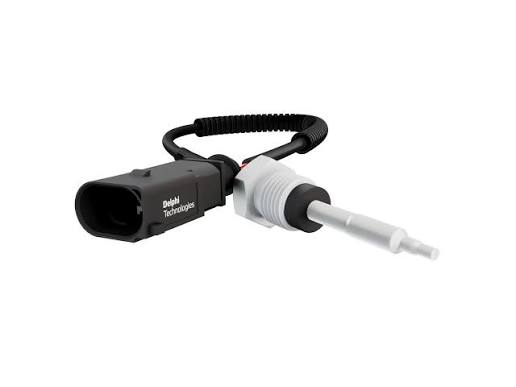
A gas sensor may work by measuring changes in electrical resistance, capacitance, optical properties, or another measurable characteristic when gas molecules interact with its sensing material.
Applications in Gas Detection
Nanofiber sensors can potentially be designed to detect:
Carbon monoxide.
Nitrogen dioxide.
Ammonia.
Volatile organic compounds.
Certain industrial or environmental gases.
The exact gases detectable depend on the sensor material, operating conditions, and calibration.
For example, a metal-oxide nanofiber sensor may experience a measurable electrical change when exposed to a target gas. A monitoring system can then interpret this response and estimate the gas concentration.
Potential Environmental Uses
A sensor network in a heritage landscape could help monitor environmental conditions that affect visitors, staff, and historic structures.
Sensors might be installed in approved locations near roads, visitor facilities, or other sources of potential emissions.
Environmental monitoring could also contribute to research on air quality and the long-term preservation of stone monuments.
Technical Limitations
Nanofiber sensors can be affected by humidity, temperature, interfering gases, and material degradation. Their performance must be evaluated through calibration and comparison with established reference instruments.
A sensor that detects a chemical response does not automatically provide reliable quantitative measurements. Field validation is essential.
Conclusion
Nanofiber gas sensors offer promising possibilities for environmental monitoring. Research connected with Delphi could explore how advanced sensing materials might support visitor safety and heritage protection, provided the technology is tested carefully and deployed without damaging the archaeological environment.