Introduction
Anafi is a small Cycladic island in the southern Aegean Sea, known for its rugged terrain, coastal landscapes, and strong exposure to regional winds. Its geographic setting makes renewable energy an interesting subject for research and planning.
Wind turbine arrays near Anafi could form part of a broader strategy to reduce dependence on imported fossil fuels and improve the sustainability of island energy systems. The Myrtoan Sea and surrounding Aegean waters are also relevant to discussions of offshore wind development, although a specific turbine project near Anafi should not be assumed to exist without official documentation.
Wind Energy Potential
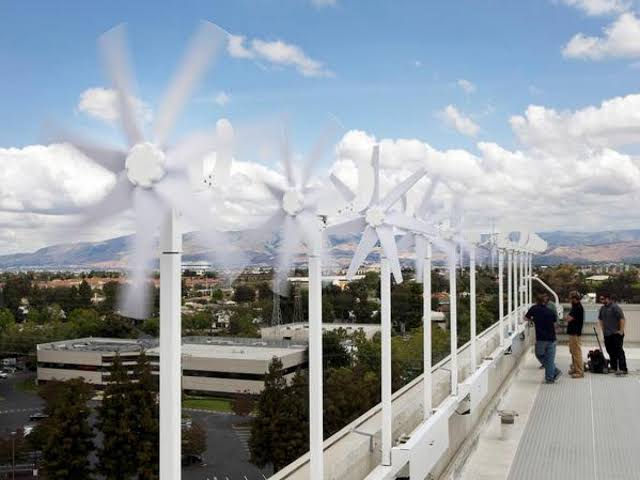
Wind turbines convert the kinetic energy of moving air into electricity. Their output depends on several factors:
Average wind speed and seasonal variation.
Turbine height and blade diameter.
Terrain and atmospheric conditions.
Distance between turbines.
Grid connection capacity.
Maintenance and access requirements.
Anafi's exposed landscapes may offer suitable conditions in certain locations, but detailed wind measurements would be required before any project could be evaluated.
Onshore and Offshore Development
Onshore turbines are installed directly on land, often on elevated terrain where wind exposure is favorable. Offshore turbines are installed in marine environments and can access stronger or more consistent winds in some locations.
However, offshore development around Greek islands presents engineering challenges. Deep water, seabed geology, marine conditions, and the cost of grid connections can make conventional fixed-bottom turbines impractical in some areas. Floating offshore wind technology may offer alternatives, but it requires substantial investment and environmental assessment.
Environmental Considerations
Island wind projects must account for bird migration, bats, marine ecosystems, fishing activity, tourism, landscape visibility, and local communities.
Anafi's natural scenery is a significant part of its cultural and economic identity. Turbine placement would therefore require careful consideration of visual impacts and protected habitats.
Energy Storage and Island Grids
Wind generation is variable, meaning electricity production changes with wind conditions. Energy storage systems, demand management, and connections with other islands can help balance supply and demand.
Battery systems may provide short-term storage, while pumped hydroelectric systems or other technologies could be considered where local geography allows.
Conclusion
Wind energy development around Anafi could contribute to Greece's renewable energy transition, but the feasibility of a specific turbine array would depend on technical, environmental, economic, and community assessments. Responsible planning should balance clean electricity production with the protection of island landscapes and marine biodiversity.