
Introduction
Samos is an Aegean island with a long agricultural history and a diverse landscape. Its Mediterranean environment supports the growth of aromatic plants and herbs that contribute to regional food culture.
Nordic new cuisine, meanwhile, has emphasized seasonality, local sourcing, natural ingredients, fermentation, and careful presentation.
Combining Samian herbs with Nordic culinary techniques could create an interesting exchange between Mediterranean and northern European food traditions.
Mediterranean Herbs and Regional Identity
Mediterranean herbs are often valued for their aromatic compounds and their ability to complement vegetables, fish, meat, and other foods.
A culinary project involving Samos could examine locally documented herbs and identify products suitable for professional kitchens.
The selection should be based on verified botanical identity, quality, and actual regional availability.
Nordic Culinary Techniques
Nordic-inspired cuisine often uses methods such as fermentation, pickling, drying, smoking, and controlled aging.
These techniques can preserve seasonal ingredients and create distinctive flavors.
Samian herbs could be incorporated into fermented vegetables, herb oils, broths, seafood preparations, and sauces.
Potential Culinary Pairings
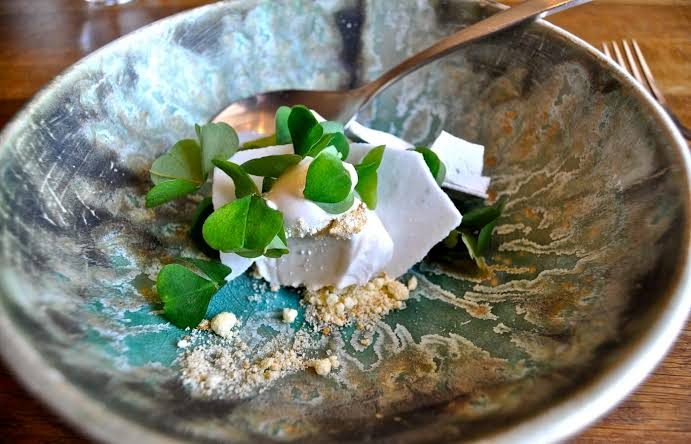
A chef could use a Samian aromatic herb in a Nordic-style fish preparation, combining Mediterranean fragrance with a restrained presentation.
Other possibilities might include herb-infused oils, seasonal vegetable dishes, fermented sauces, and carefully balanced desserts.
The purpose would be to explore how different culinary traditions can complement one another.
Trade and Sustainability
A successful collaboration would require reliable sourcing and careful attention to agricultural practices.
Exporting herbs over long distances can create environmental costs, so chefs and suppliers should evaluate packaging, transportation, and production methods.
Where possible, local cultivation in suitable Nordic environments could also be explored, provided the plant species can grow safely and appropriately.
Conclusion
Samian herbs could introduce Mediterranean aromatic qualities into Nordic new cuisine. The collaboration would offer opportunities for culinary experimentation, regional product promotion, and cultural exchange while emphasizing traceable sourcing and seasonal cooking.







