
Introduction
The expansion of electric vehicles is changing transportation infrastructure across Europe. As more drivers shift from petrol- and diesel-powered vehicles to electric alternatives, cities and regional authorities must develop charging networks that are accessible, reliable, and connected to the electricity grid.
Alexandroupoli, a major coastal city in northeastern Greece, provides an interesting setting for studying the development of electric-vehicle charging infrastructure in Thrace. Its position as a regional transport centre, with road connections, port facilities, and links toward the Balkans, makes it relevant to discussions about sustainable mobility.
The title Thrace EV Charging Grids in Alexandroupoli can be understood as a research theme concerning the planning, installation, and management of a regional electric-vehicle charging network. It should not be taken as confirmation that a particular grid project has already been completed.
Understanding an EV Charging Grid
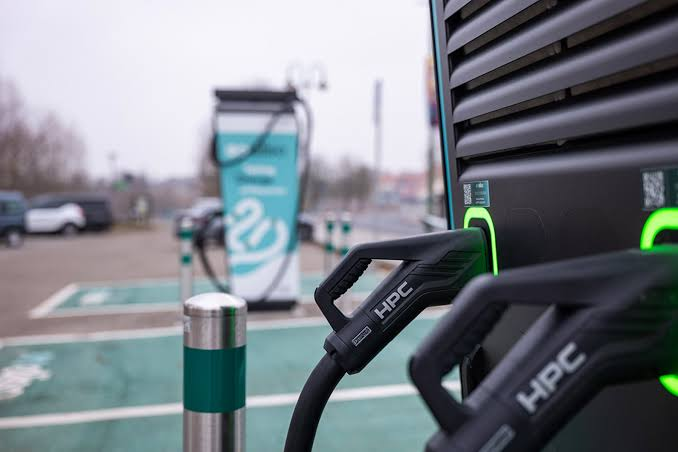
An electric-vehicle charging grid is a network of charging stations connected to the electrical distribution system. It may include slow chargers for long-duration parking, faster public chargers, and high-power charging facilities designed for shorter stops.
The network must accommodate different users and travel patterns. Residential areas require convenient charging access, while commercial centres, public parking areas, highways, and transport terminals may need higher-capacity stations.
A regional network around Alexandroupoli could be planned according to several priorities:
Charging access within residential neighbourhoods.
Stations near commercial and public facilities.
Charging points along major regional roads.
Infrastructure near transport terminals and parking areas.
Connections serving intercity and cross-border travel.
Electrical Grid Requirements
Charging stations place additional demand on local electricity distribution networks. The effect depends on the number of chargers, their power ratings, operating schedules, and the number of vehicles charging simultaneously.
For example, a group of high-power chargers operating at the same time can create a substantial local electricity demand. Distribution transformers, cables, and protective equipment may therefore need upgrading.
Grid planners can use load forecasting to estimate future demand. Smart charging systems can also reduce pressure by adjusting charging schedules according to electricity availability and user requirements.
Renewable Energy Integration
EV charging networks may be integrated with renewable energy systems, particularly solar photovoltaic installations.
A charging facility equipped with solar panels could generate part of the electricity required by vehicles during daylight hours. Battery storage could help retain excess generation for later use, although the financial and technical benefits would depend on local conditions.
Smart energy management could coordinate:
Solar electricity production.
Battery storage and discharge.
Charging schedules.
Electricity prices.
Grid demand and available capacity.
This approach could improve energy efficiency and reduce dependence on electricity generated from fossil fuels.
Geographic Planning in Thrace
A regional charging network should not concentrate all infrastructure in the city centre. Its value depends on the ability of drivers to travel between towns and communities without encountering long gaps between charging points.
Planning should consider road distance, traffic volume, tourism, population distribution, existing electrical infrastructure, and the location of public services.
Alexandroupoli could function as a regional charging hub, while smaller facilities could serve surrounding settlements and major transport corridors.
Economic and Environmental Benefits
An accessible charging network can support electric-vehicle adoption by reducing concerns about limited driving range. It may also create opportunities for businesses involved in electrical installation, maintenance, software, and energy management.
Environmental benefits depend on the electricity supply. Electric vehicles generally have no exhaust emissions while driving, but their overall climate impact also depends on electricity generation, vehicle production, and battery manufacturing.
Charging infrastructure must also be designed with accessibility in mind. Stations should provide suitable parking layouts, clear instructions, reliable payment systems, and access for drivers with disabilities.
Conclusion
The development of EV charging grids in Alexandroupoli represents an important research topic within the broader transition toward sustainable transportation. A successful regional network would require coordinated planning between transport authorities, electricity providers, local government, and private operators. Its effectiveness would depend not simply on the number of charging stations but on their distribution, reliability, electrical capacity, and integration with renewable energy.







