Introduction
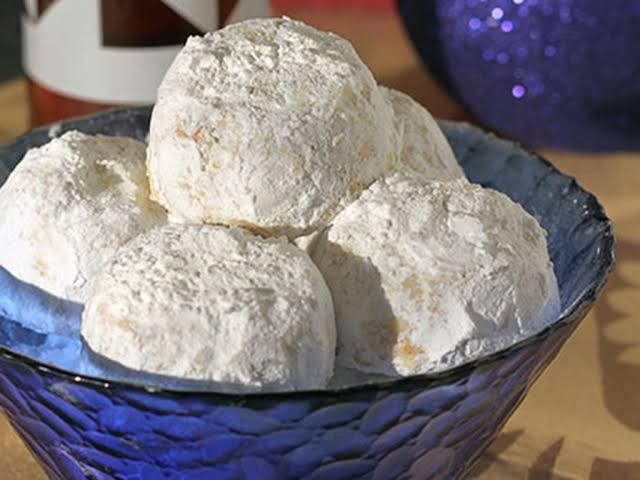
Kourabiedes are traditional Greek butter cookies commonly associated with festive occasions. Their familiar ingredients include butter, flour, sugar, and almonds, although recipes vary between regions and households.
A Thracian-inspired interpretation could incorporate carefully selected local herbs to create a new flavor profile while maintaining the characteristic texture of the traditional sweet.
Regional Ingredients and Food Traditions
Thrace has diverse landscapes that support agricultural production and a variety of wild plants. Local food traditions often reflect the availability of seasonal ingredients and knowledge passed between generations.
Herbs may contribute aroma, flavor, and color to traditional recipes.
However, the use of foraged ingredients requires careful botanical identification because some wild plants resemble toxic species.
Culinary Adaptation
A contemporary kourabiedes recipe could use a small amount of dried aromatic herb to complement the richness of butter and almonds.
Potential flavor directions might include:
Mild mountain herbs with almond.
Citrus zest with aromatic leaves.
Carefully selected floral notes.
Herb-infused butter for a subtle fragrance.
The herb should enhance the cookie rather than overwhelm its traditional character.
Foraging and Sustainability
Wild harvesting must be conducted responsibly.
Foragers should identify plants accurately, avoid protected species, and follow restrictions governing collection in protected areas. Harvesting should also avoid damaging plant populations or removing more material than ecosystems can regenerate.
Commercial food production requires traceability and food safety controls.
Tourism and Product Development
Local bakeries and food festivals could introduce these variations as part of a broader presentation of Thracian food culture.
Packaging could explain the origins of the ingredients and the traditional role of kourabiedes in Greek celebrations.
Conclusion
Thracian kourabiedes with foraged herbs could offer a creative variation on a familiar Greek sweet. The concept combines regional botanical knowledge with contemporary baking while emphasizing accurate plant identification and sustainable harvesting.