By Stephen Messenger, thedodo.com
Today, a majority of Americans consider their pets not merely animal companions, but as bona fide members of the families, so it's no wonder that the death of a dog, cat or other cherished creature can give rise to grief and sorrow as strong as those felt at the loss of a loved-one who is human.
But to have such tender feeling towards pets isn't some modern phenomenon indicative of a soft and overly-sensitive society. In fact, people have been mourning over their deceased animals for much of recorded history -- and in no place is that more evident than in these fascinating, and totally heartbreaking, epitaphs written for dogs of Ancient Greece and Rome.
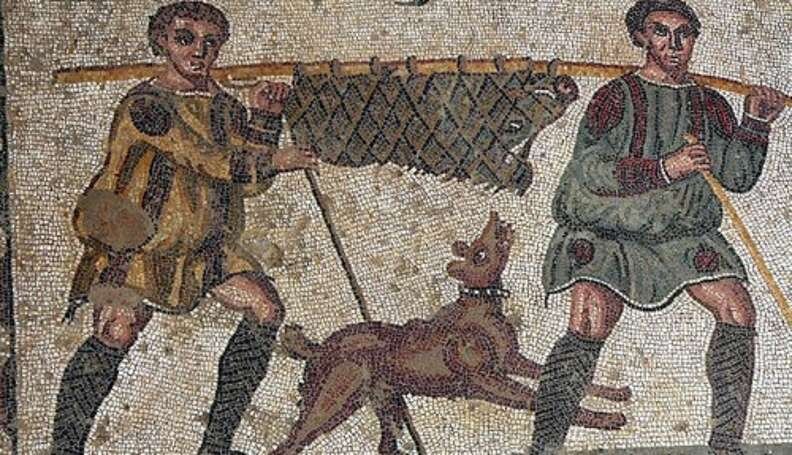
Here are 9 of the most touching ancient epitaphs to dogs:
1. "I am in tears, while carrying you to your last resting place as much as I rejoiced when bringing you home in my own hands fifteen years ago." (Source)
Ancients weren't ashamed to openly weep for their departed dogs, as seen in this saddened pet-owner's final farewell to his companion.
2. "Thou who passest on this path, If haply thou dost mark this monument, Laugh not, I pray thee, though it is a dog's grave. Tears fell for me, and the dust was heaped above me By a master's hand." (Source)
In an age before pet cemeteries, Greek and Romans would bury their pets along the roadside in marked graves like this one -- a mournful gesture they did not take lightly.
3. "My eyes were wet with tears, our little dog, when I bore thee (to the grave)... So, Patricus, never again shall thou give me a thousand kisses. Never canst thou be contentedly in my lap. In sadness have I buried thee, and thou deservist. In a resting place of marble, I have put thee for all time by the side of my shade. In thy qualities, sagacious thou wert like a human being. Ah, me! What a loved companion have we lost!" (Source)
4. "To Helena, foster child, soul without comparison and deserving of praise." (Source)
Domestic canines, particularly lap-dogs, were often referred to as "fosters", further suggesting that even by then adopted pets were considered members of the family.
5. "This is the tomb of the dog, Stephanos, who perished, Whom Rhodope shed tears for and buried like a human. I am the dog Stephanos, and Rhodope set up a tomb for me." (Source)
Here, a dog named Stephanos is mourned by his master, Rhodope, who wanted to make sure that all who read this epitaph know how much the animal meant to her.
6. "[Myia] never barked without reason, but now he is silent." (Source)
This dog's owner offers simple yet powerful words for his pet, addressing him as one might an equal.
7. "Here the stone says it holds the white dog from Melita, the most faithful guardian of Eumelus; Bull they called him while he was yet alive; but now his voice is prisoned in the silent pathways of night." (Source)
For Eumelus, his deceased pet Melita was clearly more than just an animal, but rather a creature with a soul that's slipped beyond to a realm which can only be described in poetic terms.
8. "Issa's more pert than Lesbia's sparrow love, Purer than kisses of a turtle-dove, More sweet than hundred maidens rolled in one, Rarer than wealthy India's precious stone. She is the pet of Publius, Issa dear; She whines, a human voice you seem to hear." (Source)
In this longer epigraph, Publius's dog Issa is described in near mythological terms, celebrated in a painting or statue that has since been lost.
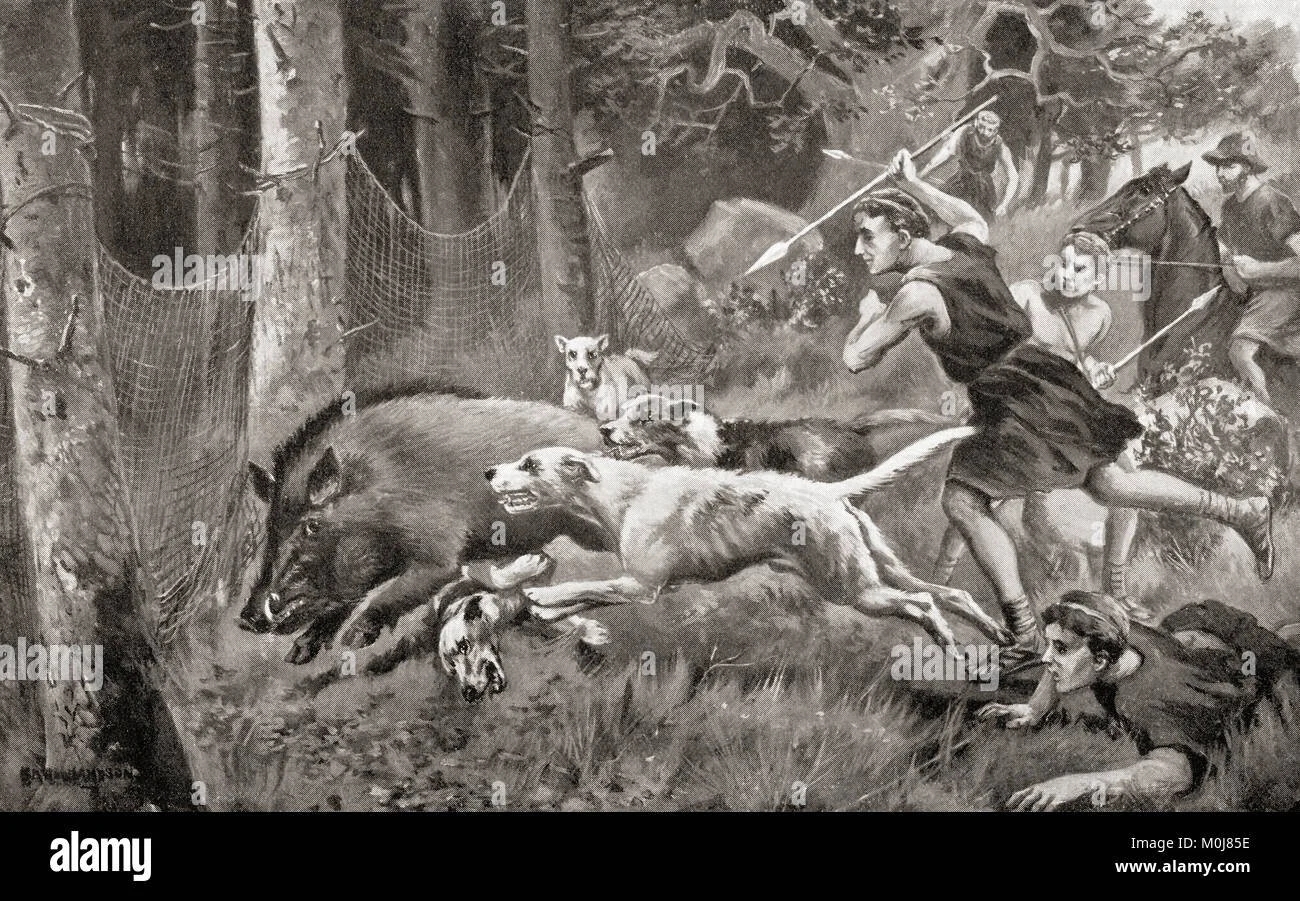
9. "Surely even as thou liest dead in this tomb I deem the wild beasts yet fear thy white bones, huntress Lycas; and thy valour great Pelion knows, and splendid Ossa and the lonely peaks of Cithaeron." (Source)
Epitaphs for hunting dogs, like Lycas, often depict the animals not unlike one would a fellow soldier on the battlefield -- underscoring their importance to their owner's survival.
This text was found on the tombstone of Patricus, an Italian dog, written by his grieving owner. Note that, even in this era, pets were being likened to humans.