How Greek Warriors Maintained Their Armor and Weapons
Introduction
In Ancient Greece, a warrior’s equipment was not only essential for survival but also a major personal investment. Hoplites were responsible for maintaining their own armor and weapons, ensuring they remained functional, clean, and battle-ready. Proper care reflected discipline, wealth, and military readiness.
Personal Responsibility of Equipment
Unlike modern professional armies, Greek soldiers were usually citizens who owned their gear.
Each hoplite supplied his own armor and weapons
Equipment was expensive and highly valued
Maintenance was a continuous personal duty
Poor upkeep could mean death in battle
Because of this, warriors treated their equipment carefully.
Cleaning and Polishing Armor
Bronze Armor Care
Greek armor, especially bronze, required regular maintenance:
Wiping off dirt, sweat, and blood after battles
Polishing with cloth and oil to prevent corrosion
Inspecting for dents or cracks after combat
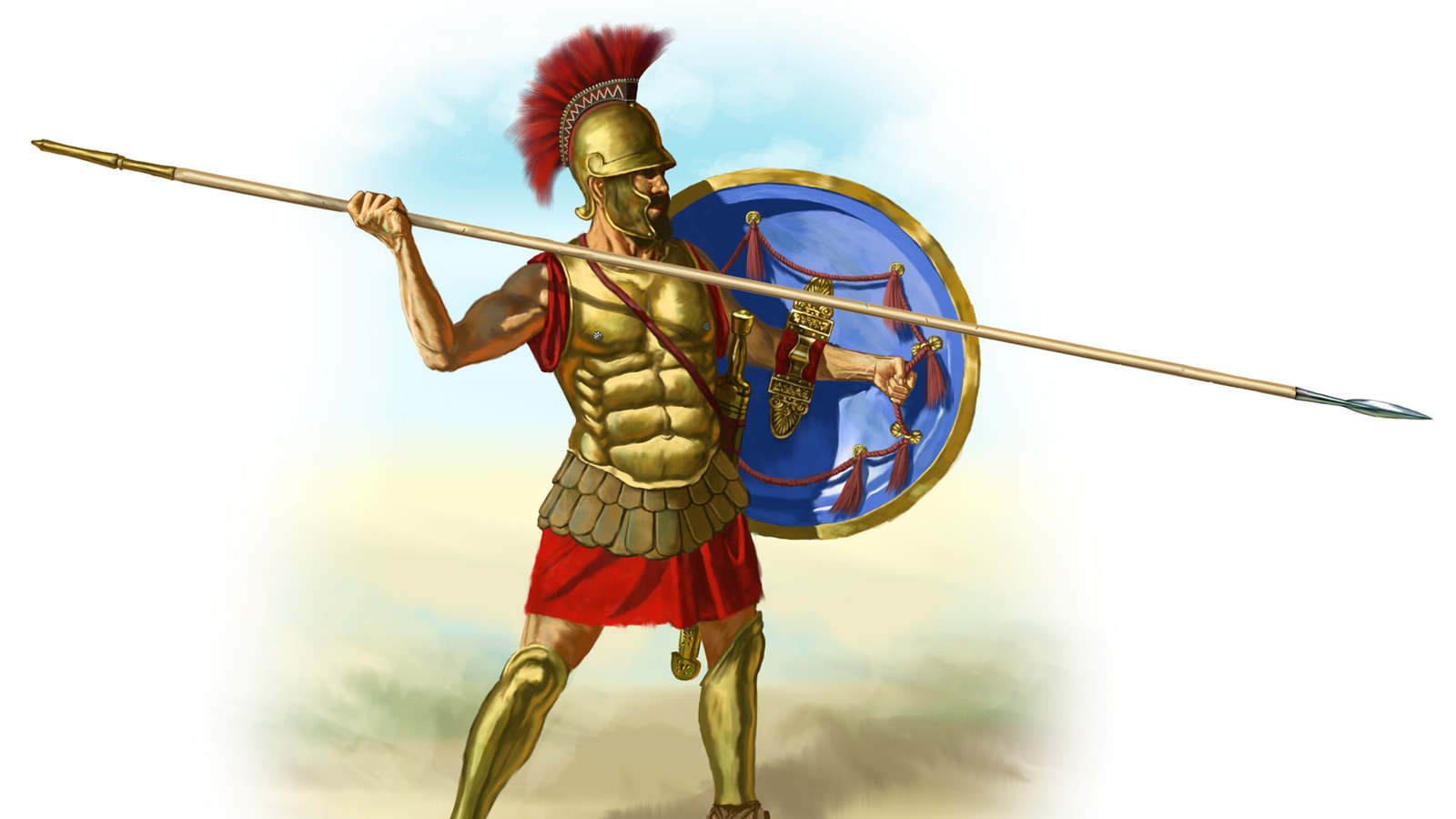
Armor such as helmets and breastplates was often kept shiny for both protection and pride.
Shields (Aspis)
The large round shield was crucial:
Wood core covered with bronze or leather
Repaired if cracked or weakened
Leather straps checked for durability
Painted symbols occasionally retouched
A damaged shield could break formation in battle.
Weapon Maintenance
Spears (Dory)
Wooden shafts inspected for splinters or cracks
Iron spearheads sharpened regularly
Replaced if too damaged
Swords (Xiphos or Kopis)
Kept sharp using whetstones
Oiled to prevent rust
Checked for balance and damage
Weapons needed to be reliable in close combat.
Leather and Textile Care
Not all equipment was metal:
Leather straps and sandals cleaned and softened with oil
Tunics washed when possible
Armor padding repaired or replaced
Comfort and flexibility were important for long campaigns.
Role of the Armorer and Specialists
While soldiers maintained their own gear, cities sometimes provided support:
Skilled armorers repaired damaged weapons
Blacksmiths reforged or replaced metal parts
Workshops existed in larger city-states like Athens
Wealthier warriors might pay craftsmen for upgrades
Maintenance During Campaigns
During military expeditions:
Soldiers cleaned equipment after battles
Campfires used to dry and inspect gear
Weapons checked before each engagement
Repairs done using limited field tools
Readiness depended on constant attention.
Religious and Symbolic Care
Maintenance also had cultural meaning:
Weapons could be dedicated to gods after victories
Offerings made for protection in battle
Armor sometimes displayed as trophies in temples
Clean equipment symbolized honor and discipline
Warriors believed the gods favored well-prepared soldiers.
Economic Importance of Equipment Care
Proper maintenance was also practical:
Reduced need for costly replacements
Extended lifespan of armor and weapons
Preserved family wealth passed between generations
Helped maintain military effectiveness of the city-state
Neglect could weaken both individual and collective strength.
Conclusion
Greek warriors were responsible for carefully maintaining their armor and weapons, treating them as vital tools of survival and honor. Through regular cleaning, repair, and attention to detail, hoplites ensured their readiness for battle. This discipline reflected not only military necessity but also the broader Greek values of order, responsibility, and excellence.