The Role of Oracles in Greek Military Decisions
Introduction
In Ancient Greece, military decisions were not based only on strategy and manpower. Religion played a major role, and commanders often consulted oracles before battles. These sacred institutions were believed to communicate the will of the gods and help guide critical decisions such as when to fight, where to march, and whether to engage in war at all.
What Was an Oracle?
An oracle was a religious authority through which a god was believed to speak.
Most famous oracle: the Delphi
Priests or priestesses interpreted divine messages
Responses were often symbolic and required interpretation
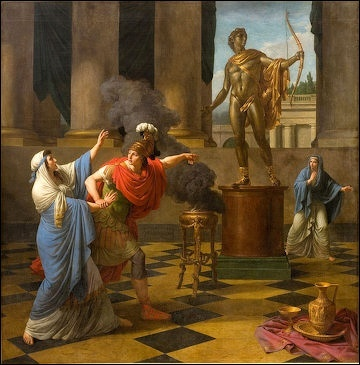
The most important figure was the Pythia, the priestess of Apollo at Delphi.
Why Generals Consulted Oracles
Greek military leaders sought oracle advice for several reasons:
To gain divine approval before war
To reduce uncertainty in decision-making
To boost morale among soldiers
To justify political or military actions
Ignoring an oracle was considered dangerous and disrespectful to the gods.
Famous Military Consultations
Before Major Campaigns
Commanders often asked:
Whether to go to war
Which strategy would succeed
If the gods favored their city-state
For example, Spartan kings frequently consulted Delphi before campaigns.
The Persian Wars
During the conflicts with Persia:
Greek states sought guidance from Delphi
Some prophecies influenced evacuation or defense strategies
Oracle interpretations affected morale on both sides
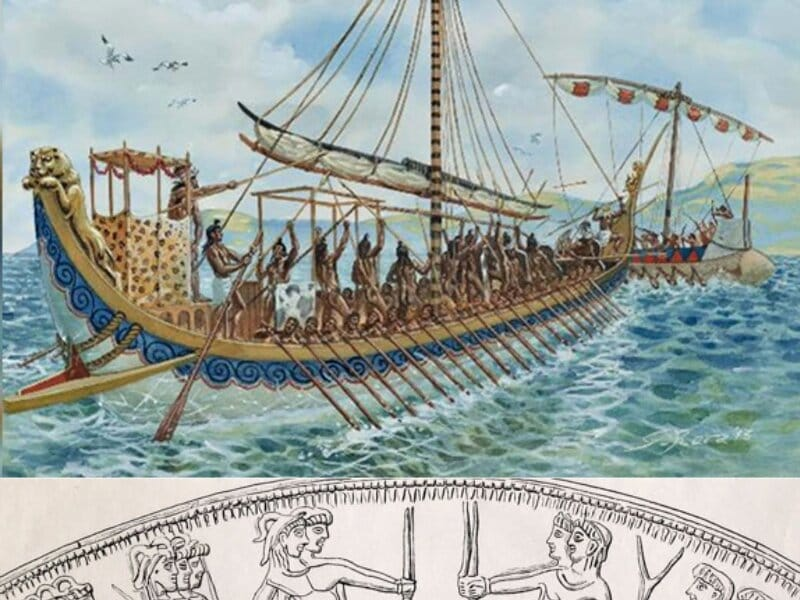
The famous “wooden walls” prophecy was interpreted as referring to ships, influencing Athenian naval strategy.
Influence on Strategy and Timing
Oracles could affect military planning:
Delayed or advanced campaigns
Determined whether to engage in battle
Influenced choice of sacred or favorable dates
Encouraged or discouraged risky actions
Even confident generals often followed religious advice.
Psychological and Political Power
Oracles were not only spiritual but also political tools:
Leaders used oracle approval to legitimize decisions
Prophecies could unite citizens behind war efforts
Divine messages helped reduce opposition to military actions
Victories were seen as proof of divine favor
This made oracles powerful institutions in Greek society.
Skepticism and Manipulation
Not all Greeks fully trusted oracles:
Some leaders questioned vague predictions
Interpretations could be manipulated for political gain
Rival city-states sometimes used different oracles
Philosophers criticized reliance on divine messages
Despite skepticism, oracles remained influential.
Role in Military Morale
Oracles also affected soldiers:
Positive prophecies boosted confidence
Negative warnings could delay or prevent battles
Belief in divine support increased unity
Fear of divine punishment discouraged disobedience
Morale was closely tied to religious interpretation.
Decline of Oracle Influence
Over time, especially in the Hellenistic and Roman periods:
Military decisions became more strategic and professional
Rational planning reduced reliance on prophecy
Oracle influence weakened but did not disappear entirely
Delphi remained a symbolic religious center
Conclusion
Oracles played a significant role in Greek military decisions by combining religion, politics, and psychology. While not always decisive in strategy, their influence shaped when and how wars were fought, boosted morale, and provided divine justification for military actions. Even as rational military planning developed, oracles remained an important part of Greek warfare culture.