How the Greek City-States Defended Their Ports
Introduction
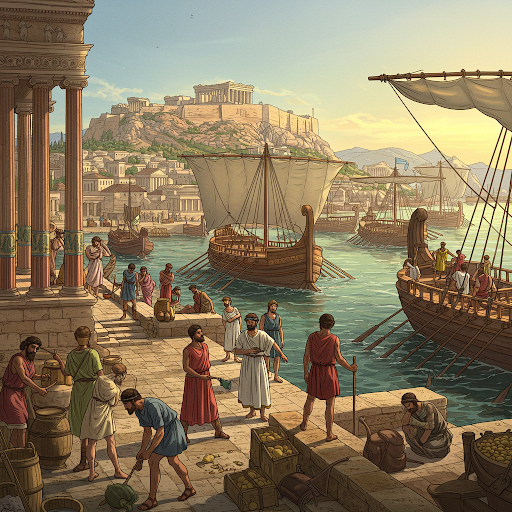
In Ancient Greece, many city-states depended heavily on sea trade, fishing, and naval power. Because of this, ports were among the most strategically important—and most vulnerable—assets. Protecting harbors meant protecting food supply, wealth, and military strength, especially for maritime powers like Athens.
Strategic Importance of Ports
Greek ports were vital because they:
Supported trade across the Mediterranean
Allowed naval fleets to launch operations
Imported grain and essential goods
Served as military bases for warships
A weak port meant a weak city-state.
Harbor Fortifications
Defensive Walls
Many city-states built strong coastal defenses:
Thick stone walls surrounding harbors
Towers for surveillance and archery
Fortified gates controlling access to docks
These structures prevented enemy landings and raids.
Protected Harbor Layouts
Natural geography was also used:
Narrow harbor entrances made defense easier
Artificial breakwaters reduced exposure
Multiple harbor zones separated military and trade functions
Cities often chose port locations with natural defensive advantages.
The Piraeus Example
The port of Piraeus is a key example of advanced Greek port defense:
Surrounded by Long Walls connecting it to Athens
Allowed safe movement of supplies even during sieges
Functioned as a heavily fortified naval base
Protected Athens’ powerful fleet
This made Athens extremely difficult to starve out during war.
Naval Defense Systems
Warships as Mobile Defense
Greek city-states used their navies as active defense:
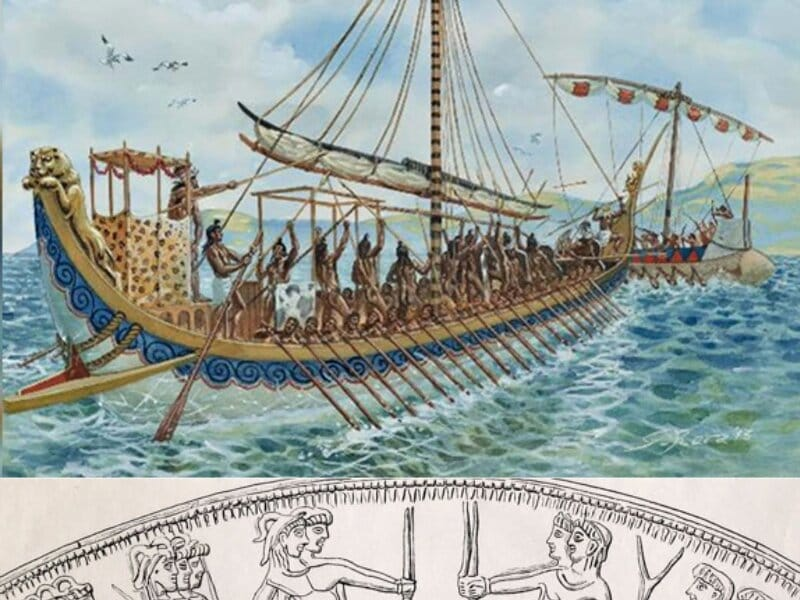
Triremes patrolled coastal waters
Enemy ships intercepted before reaching harbor
Rapid response to pirate attacks
Blockades and Counterattacks
Fleets prevented enemy access to ports
Defensive fleets guarded harbor entrances
Naval dominance ensured economic security
Watchtowers and Early Warning Systems
Ports were constantly monitored:
Watchtowers along coastlines
Signal fires or flags for communication
Scouts reporting enemy movements
Early alerts for approaching fleets
This allowed quick military response.
Harbor Chains and Physical Barriers
Some cities used physical obstacles:
Chains or barriers across narrow harbor mouths
Controlled entry points for ships
Prevented surprise naval incursions
This was especially useful in heavily contested regions.
Military Garrisons and Troops
Ports were protected by soldiers stationed nearby:
Infantry units guarding docks
Naval personnel trained for boarding actions
Quick mobilization forces in nearby camps
These troops ensured immediate defense capability.
Integration with City Defense
Ports were not isolated—they were part of larger defense systems:
Coastal fortifications linked to inland walls
Roads allowed rapid troop movement
Coordination between navy and army units
This integration was crucial for survival during sieges.
Threats to Greek Ports
External Threats:
Enemy naval invasions
Pirate raids
Blockades during war
Internal Threats:
Sabotage or betrayal
Political instability affecting defenses
Economic disruption weakening naval funding
Conclusion
Greek city-states defended their ports using a combination of fortifications, naval power, geography, and early warning systems. For maritime powers like Athens, port defense was essential to survival and dominance. By combining strong infrastructure with powerful fleets, the Greeks created one of the most effective ancient coastal defense systems in the Mediterranean world.