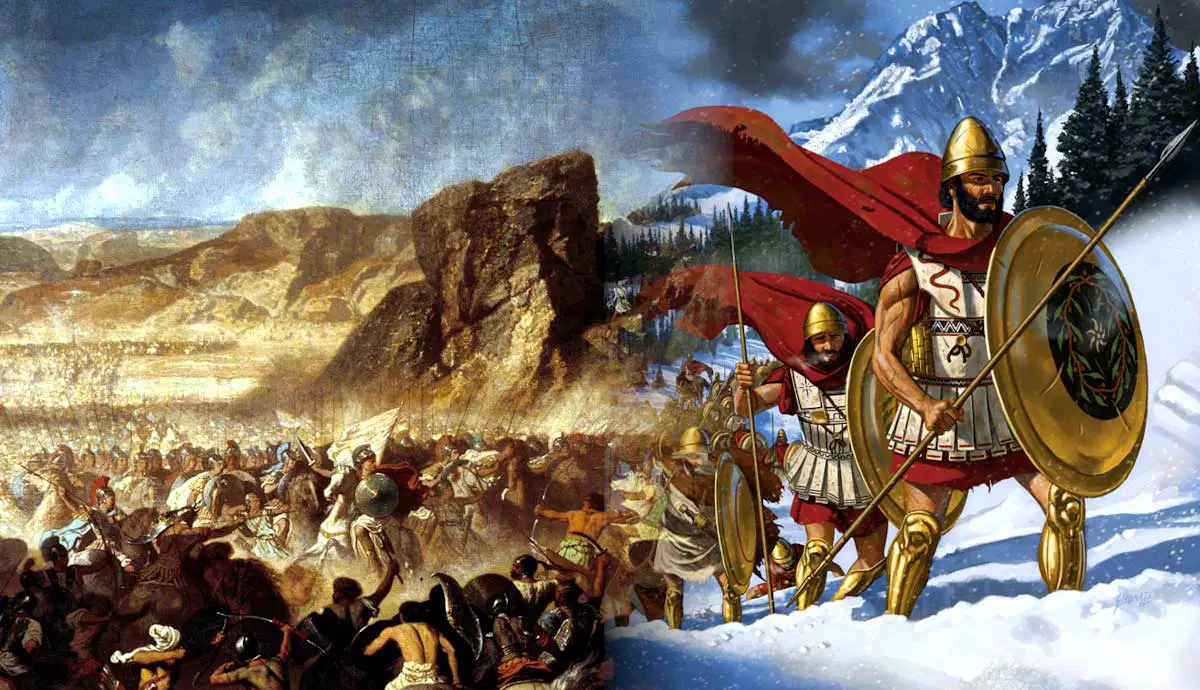
For much of the classical era, the heavily armored Greek hoplite was the most sought-after military export in the Mediterranean. Long before Alexander the Great conquered the known world, thousands of Greek soldiers were already marching across the deserts of Egypt and the plains of Asia Minor—not as conquerors, but as elite mercenaries (misthophoroi).
For the Egyptian pharaohs and Persian kings, hiring Greeks wasn't just a luxury; it was a strategic necessity to survive the shifting geopolitics of the ancient Near East.
1. The Greek Advantage: Why They Were in High Demand
Near Eastern armies traditionally relied on massive numbers of light infantry, archers, and cavalry. While highly effective in open plains, these armies lacked a dense, heavily armored shock force capable of holding a line against a concentrated assault. The Greeks filled this exact tactical void.
The Bronze Wall: The Greek hoplite was wrapped in bronze or heavy layered linen armor, carried a massive bronze-faced shield (hoplon), and fought in a tightly packed phalanx.
Shock Value: On the battlefield, a Greek phalanx acted like a human battering ram. They could absorb thousands of enemy arrows with minimal casualties and plow straight through lightly armored infantry lines.
Professionalization: Unlike local levies who were farmers called up for seasonal campaigns, Greek mercenaries were often seasoned veterans who made war their lifelong trade.
2. In the Service of the Pharaohs: The Bulwark of Egypt
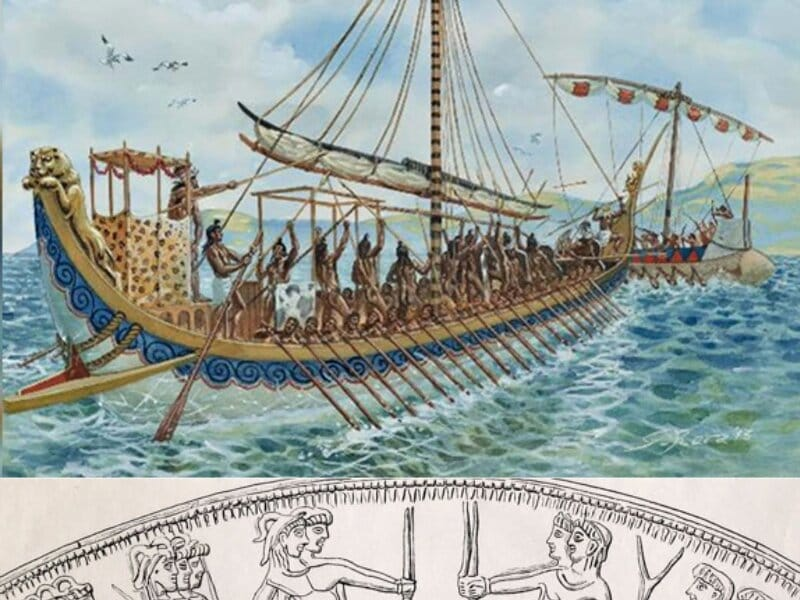
Greek contact with Egypt spiked during the 26th Dynasty (the Saite Period, c. 664–525 BCE). Pharaoh Psamtik I was the first to extensively hire Greek mercenaries—mostly Ionians and Carians—to help him throw off Assyrian rule and unify a fractured Egypt.
The Frontier Garrisons: The pharaohs trusted the Greeks so implicitly that they stationed them at the most critical, vulnerable choke points of the empire. Greek garrisons were established at Daphnae to guard the eastern border against Asian empires, and at Elephantine in the far south along the Nile.
Naucratis: As a reward for their service, the pharaohs granted the Greeks a dedicated trading colony in the Nile Delta called Naucratis. It became a bustling economic hub and a permanent pipeline for fresh Greek military talent.
Graffiti on the Nile: The permanence of these soldiers is physically etched into history. At the colossal temple of Abu Simbel in southern Egypt, Greek mercenaries carved their names into the legs of the giant statues of Ramesses II, leaving behind some of the earliest surviving examples of the Greek alphabet.
3. In the Service of the Great King: The Irony of the Persian Empire
The relationship between Greece and the Persian (Achaemenid) Empire was deeply paradoxical. While the Greek city-states fiercely defended their independence from Persian invasions on the mainland, tens of thousands of individual Greeks were happily collecting silver paychecks from the Persian Treasury.
By the 4th century BCE, Greek mercenaries had become the backbone of the Persian infantry.
The Royal Bodyguard: Persian kings routinely kept elite Greek hoplites as personal bodyguards, valuing their discipline and their detachment from court politics and internal Persian rebellions.
Suppressing Rebellions: Paradoxically, Persian kings frequently used Greek mercenaries to crush rebellions in Greek-speaking Ionia, or to fight against Egyptian pharaohs who also employed Greek mercenaries. It was not uncommon for Greek hoplites to slaughter each other on foreign fields for foreign gold.
4. The Anabasis: The March of the Ten Thousand
The most famous showcase of Greek mercenary utility in Persia occurred in 401 BCE, chronicled by the historian Xenophon in his masterpiece, the Anabasis.
A rebellious Persian prince, Cyrus the Younger, hired an army of 10,000 Greek mercenaries to help him overthrow his brother, King Artaxerxes II. At the Battle of Cunaxa near Babylon, the Greek mercenaries completely smashed the royal army on their side of the battlefield. However, Prince Cyrus was killed in the fighting, leaving the Greeks stranded deep in the heart of a hostile empire.
The subsequent "March of the Ten Thousand" saw the leaderless Greeks fight their way through thousands of miles of rugged mountains, snowstorms, and hostile local tribes to reach the safety of the Black Sea. This incredible feat of survival exposed a profound military truth to the world: the Persian Empire was a geographical colossus with a brittle military core that could be pierced by a disciplined Greek force.
5. The Fatal Shift: The Road to Alexander
The heavy reliance on Greek mercenaries ultimately proved fatal for both empires.
The Decline of Domestic Skill: By outsourcing their heavy infantry needs to the Mediterranean, Egypt and Persia neglected the training of their own native infantry classes.
The Intelligence Leak: Thousands of Greek soldiers returned home with intimate knowledge of Persian geography, logistics, weaknesses, and wealth.
When Alexander the Great launched his invasion of the Persian Empire in 334 BCE, he wasn't marching into the unknown. He was armed with decades of intelligence gathered by the very mercenaries who had built, defended, and ultimately exposed the vulnerabilities of the ancient East.For much of the classical era, the heavily armored Greek hoplite was the most sought-after military export in the Mediterranean. Long before Alexander the Great conquered the known world, thousands of Greek soldiers were already marching across the deserts of Egypt and the plains of Asia Minor—not as conquerors, but as elite mercenaries (misthophoroi).
For the Egyptian pharaohs and Persian kings, hiring Greeks wasn't just a luxury; it was a strategic necessity to survive the shifting geopolitics of the ancient Near East.
1. The Greek Advantage: Why They Were in High Demand
Near Eastern armies traditionally relied on massive numbers of light infantry, archers, and cavalry. While highly effective in open plains, these armies lacked a dense, heavily armored shock force capable of holding a line against a concentrated assault. The Greeks filled this exact tactical void.
The Bronze Wall: The Greek hoplite was wrapped in bronze or heavy layered linen armor, carried a massive bronze-faced shield (hoplon), and fought in a tightly packed phalanx.
Shock Value: On the battlefield, a Greek phalanx acted like a human battering ram. They could absorb thousands of enemy arrows with minimal casualties and plow straight through lightly armored infantry lines.
Professionalization: Unlike local levies who were farmers called up for seasonal campaigns, Greek mercenaries were often seasoned veterans who made war their lifelong trade.
2. In the Service of the Pharaohs: The Bulwark of Egypt
Greek contact with Egypt spiked during the 26th Dynasty (the Saite Period, c. 664–525 BCE). Pharaoh Psamtik I was the first to extensively hire Greek mercenaries—mostly Ionians and Carians—to help him throw off Assyrian rule and unify a fractured Egypt.
The Frontier Garrisons: The pharaohs trusted the Greeks so implicitly that they stationed them at the most critical, vulnerable choke points of the empire. Greek garrisons were established at Daphnae to guard the eastern border against Asian empires, and at Elephantine in the far south along the Nile.
Naucratis: As a reward for their service, the pharaohs granted the Greeks a dedicated trading colony in the Nile Delta called Naucratis. It became a bustling economic hub and a permanent pipeline for fresh Greek military talent.
Graffiti on the Nile: The permanence of these soldiers is physically etched into history. At the colossal temple of Abu Simbel in southern Egypt, Greek mercenaries carved their names into the legs of the giant statues of Ramesses II, leaving behind some of the earliest surviving examples of the Greek alphabet.
3. In the Service of the Great King: The Irony of the Persian Empire
The relationship between Greece and the Persian (Achaemenid) Empire was deeply paradoxical. While the Greek city-states fiercely defended their independence from Persian invasions on the mainland, tens of thousands of individual Greeks were happily collecting silver paychecks from the Persian Treasury.
By the 4th century BCE, Greek mercenaries had become the backbone of the Persian infantry.
The Royal Bodyguard: Persian kings routinely kept elite Greek hoplites as personal bodyguards, valuing their discipline and their detachment from court politics and internal Persian rebellions.
Suppressing Rebellions: Paradoxically, Persian kings frequently used Greek mercenaries to crush rebellions in Greek-speaking Ionia, or to fight against Egyptian pharaohs who also employed Greek mercenaries. It was not uncommon for Greek hoplites to slaughter each other on foreign fields for foreign gold.
4. The Anabasis: The March of the Ten Thousand
The most famous showcase of Greek mercenary utility in Persia occurred in 401 BCE, chronicled by the historian Xenophon in his masterpiece, the Anabasis.
A rebellious Persian prince, Cyrus the Younger, hired an army of 10,000 Greek mercenaries to help him overthrow his brother, King Artaxerxes II. At the Battle of Cunaxa near Babylon, the Greek mercenaries completely smashed the royal army on their side of the battlefield. However, Prince Cyrus was killed in the fighting, leaving the Greeks stranded deep in the heart of a hostile empire.
The subsequent "March of the Ten Thousand" saw the leaderless Greeks fight their way through thousands of miles of rugged mountains, snowstorms, and hostile local tribes to reach the safety of the Black Sea. This incredible feat of survival exposed a profound military truth to the world: the Persian Empire was a geographical colossus with a brittle military core that could be pierced by a disciplined Greek force.
5. The Fatal Shift: The Road to Alexander
The heavy reliance on Greek mercenaries ultimately proved fatal for both empires.
The Decline of Domestic Skill: By outsourcing their heavy infantry needs to the Mediterranean, Egypt and Persia neglected the training of their own native infantry classes.
The Intelligence Leak: Thousands of Greek soldiers returned home with intimate knowledge of Persian geography, logistics, weaknesses, and wealth.
When Alexander the Great launched his invasion of the Persian Empire in 334 BCE, he wasn't marching into the unknown. He was armed with decades of intelligence gathered by the very mercenaries who had built, defended, and ultimately exposed the vulnerabilities of the ancient East.