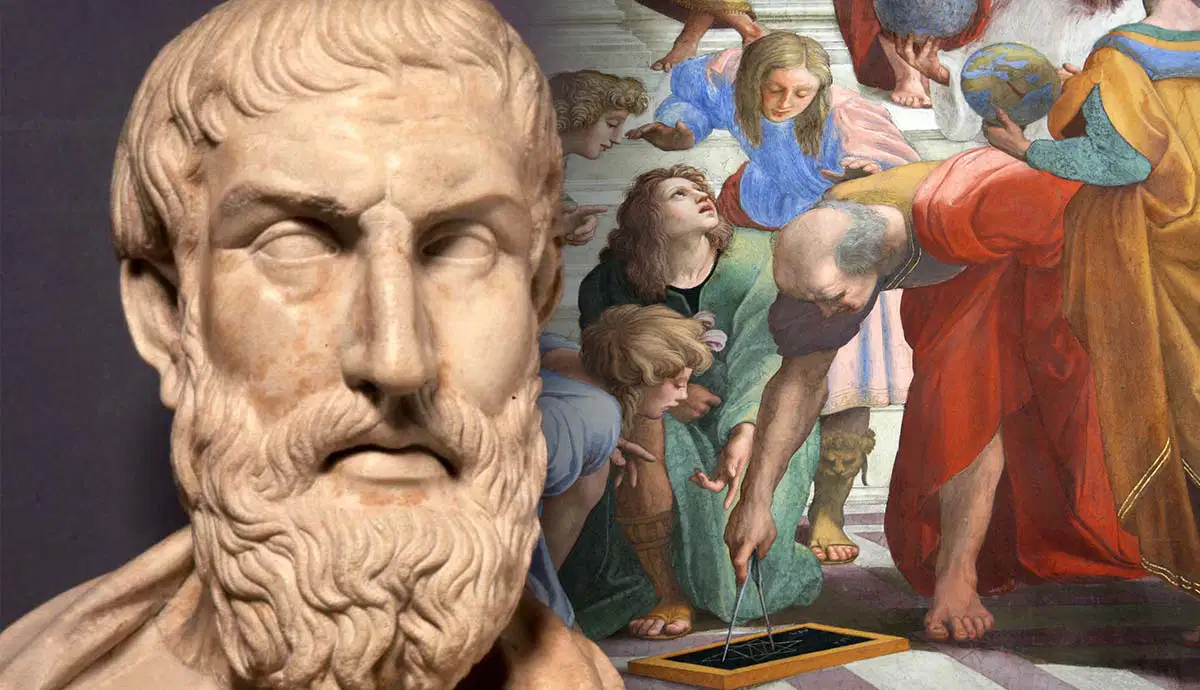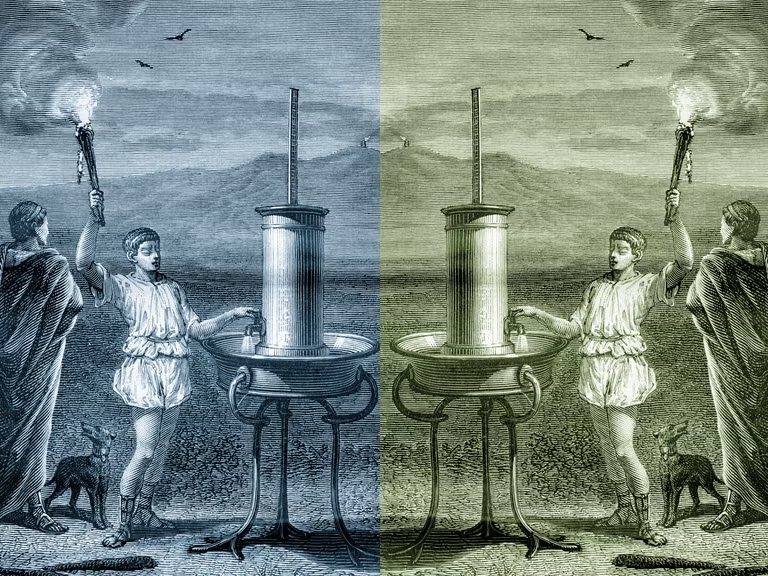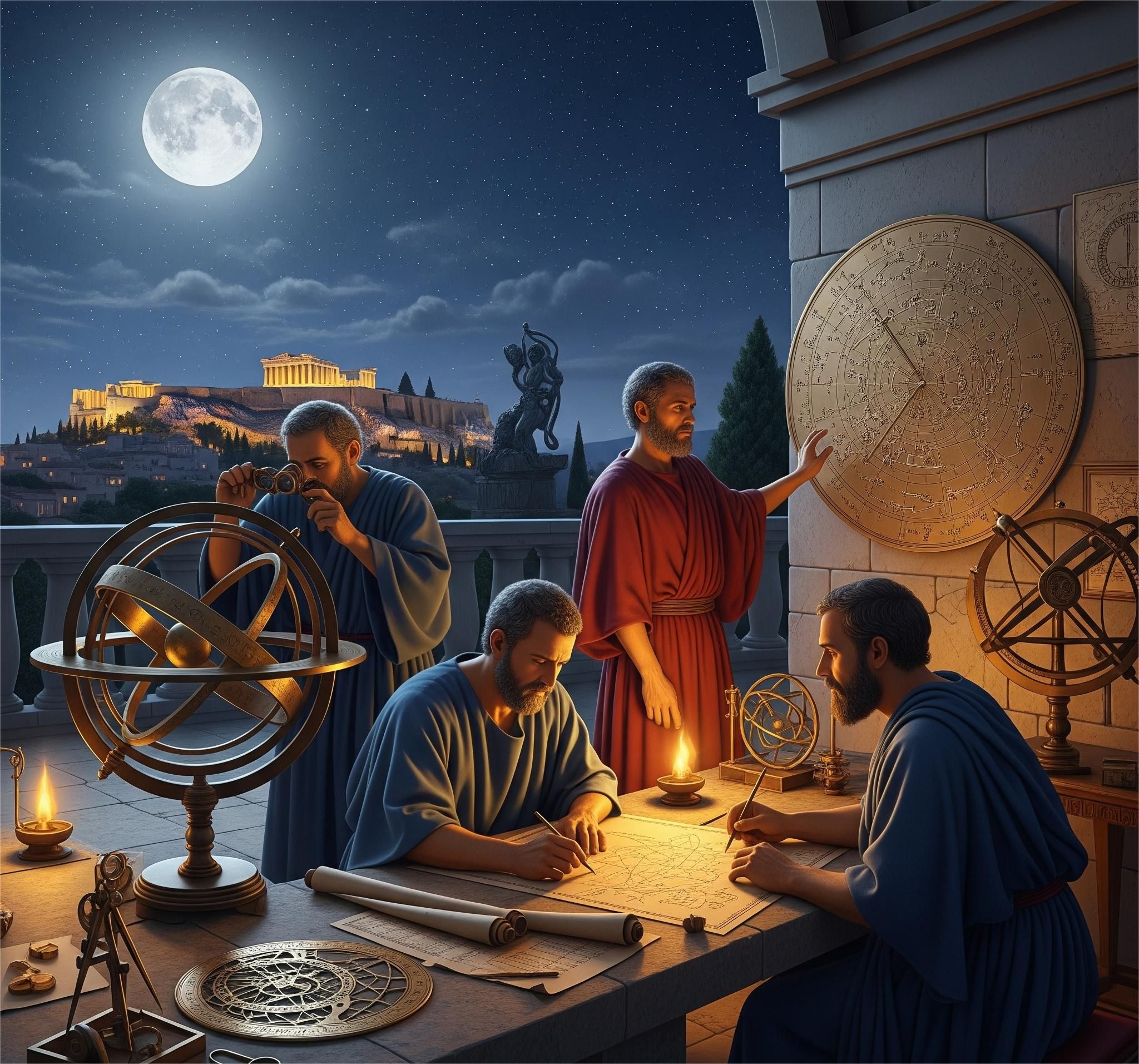
Long before telescopes scanned the night sky, the ancient Greeks gazed upward with curiosity, logic, and a surprising degree of precision. Greek astronomy was more than star-gazing—it was a sophisticated science blending observation, mathematics, and philosophy to chart the cosmos and seek order in the heavens.
Origins: Myth Meets Observation
Early Greek astronomy emerged from a blend of mythological cosmology and practical observation. Early thinkers began replacing mythic explanations (like Helios driving the sun chariot) with natural laws and geometric models.
Homer and Hesiod referenced stars for agriculture and seafaring.
Constellations were used to track seasons and guide navigation.
Key Figures and Contributions
Thales of Miletus (6th c. BCE)
One of the first Greeks to predict a solar eclipse.
Believed celestial bodies were natural objects, not gods.
Anaximander
Proposed a geocentric model with Earth suspended in space.
Suggested celestial bodies moved in full circles around Earth.
Pythagoras & Pythagoreans
Introduced the idea that the cosmos is governed by mathematical harmony.
Believed in celestial spheres that produced “music of the spheres.”
Eudoxus of Cnidus (4th c. BCE)
Developed the first geometric model of planetary motion using nested spheres.
Tried to mathematically explain retrograde motion.
Aristarchus of Samos (3rd c. BCE)
Proposed a heliocentric theory—the Sun, not the Earth, was the center.
Estimated the distance to the Moon and Sun using geometric reasoning.
Eratosthenes (3rd c. BCE)
Calculated the Earth’s circumference with remarkable accuracy using only shadows and math.
Developed an early system of latitude and longitude.
Hipparchus (2nd c. BCE)
Created the first star catalog with over 850 entries.
Discovered the precession of the equinoxes.
Developed a scale for star brightness—apparent magnitude system.
Ptolemy (2nd c. CE)
Wrote the Almagest, the definitive astronomical text for 1,400 years.
His Ptolemaic model, though incorrect (geocentric with epicycles), explained planetary motions convincingly for centuries.
Tools and Techniques
Astrolabes: Used to measure the altitude of celestial bodies.
Armillary spheres: Modeled the celestial sphere and planetary orbits.
Gnomons and sundials: Used to tell time and mark solstices/equinoxes.
Mathematics: Trigonometry and geometry underpinned planetary motion theories.
Practical Applications
Greek astronomy wasn’t only theoretical—it shaped daily life and empire-wide activities:
Calendars: Based on lunar and solar cycles for agriculture and festivals.
Navigation: Mariners used stars like the Pole Star and constellations for orientation.
Timekeeping: Sundials and star positions determined the hours of day and night.
Legacy and Impact
Greek astronomy formed the backbone of Western astronomical thought well into the Renaissance:
Influenced Islamic astronomers, who translated and expanded on Greek texts.
Inspired Copernicus, who revisited Aristarchus’ heliocentric model.
Laid the groundwork for Kepler’s laws, Galileo’s observations, and Newton’s mechanics.