In the ancient Greek world, city-states (poleis) were not only cultural and political centers—they were also fortresses. With a constant threat of invasion from rival cities or foreign powers, fortifications became essential to survival. The construction of massive walls, gates, and strategic defenses showcased the engineering prowess of the Greeks and their dedication to protecting both their citizens and sacred spaces.
Let’s explore the architecture, strategy, and symbolism behind ancient Greek fortifications—from the towering Cyclopean walls of Mycenae to the long walls of Classical Athens.
The Role of Fortifications in Greek Cities
Greek fortifications served both practical and ideological purposes:
Protection from invaders: Whether it was a Spartan raid or a Persian army, fortified cities could withstand siege and surprise attacks.
Assertion of power: Imposing walls symbolized strength, stability, and civic pride.
Control of movement: Gates regulated trade, entry, and exit, reinforcing social order and military readiness.
Spatial definition: Walls marked the boundary of the polis, separating citizen from outsider, the known from the chaotic.
Construction Techniques: Strength in Stone
Greek fortification methods varied depending on the time period, geography, and local resources, but several key techniques stood out:
1. Cyclopean Masonry (Mycenaean Era, ca. 1600–1100 BCE)
Named after the mythic Cyclopes—giants said to have built them—this technique used massive limestone boulders fitted without mortar.
Found in sites like Mycenae and Tiryns, the walls could reach up to 7 meters thick.
Famous features: the Lion Gate of Mycenae, and corbelled arches that predate the true arch.
2. Polygonal and Ashlar Masonry (Archaic to Classical Periods)
Polygonal masonry used irregularly shaped stones carefully fitted together.
Ashlar masonry involved cut rectangular blocks, laid in neat horizontal rows.
Both techniques allowed for more refined and stable construction, as seen in the walls of Delphi and Rhodes.
3. Brick and Rubble Walls (Hellenistic Period)
Later city walls often combined stone foundations with sun-dried mudbrick superstructures, which were lighter and cheaper.
Reinforced with towers and bastions for improved defense against siege warfare.
Gates and Defensive Features
City gates were more than just entryways—they were choke points, defensive traps, and symbols of civic identity.
Main gates were flanked by towers, allowing defenders to pour projectiles onto attackers.
Some gates featured bent entrances (e.g., at Gla or Eleutherae) to slow enemy advance and prevent battering rams from hitting the gate head-on.
Sacred roads often led through gates, like the Dipylon Gate in Athens, which began the Panathenaic procession.
Gates also had watch stations, barracks, and inscriptions bearing the name of the city or god under whose protection it stood.
Strategic Masterpieces
The Walls of Mycenae
Massive Cyclopean walls enclosing the acropolis.
Featured the Lion Gate, the oldest monumental sculpture in Europe (ca. 1250 BCE).
Symbolized divine protection and dynastic power.
The Long Walls of Athens
Built in the 5th century BCE to connect Athens to its ports at Piraeus and Phaleron.
Allowed Athens to maintain naval dominance and access supplies even during siege.
These walls were critical during the Peloponnesian War, making Athens almost impossible to starve out.
The Walls of Rhodes
Expanded during the Hellenistic period and heavily fortified by the Knights Hospitaller in the medieval era.
Included moats, bastions, and cannon emplacements, showing continuity and adaptation of ancient defense systems.
Fortifications and Urban Planning
Greek city walls often shaped the very layout of urban life:
Cities were designed with access to water and escape routes.
The acropolis (high city) typically housed the last line of defense, including temples and emergency food storage.
Fortifications also influenced the location of marketplaces (agora) and religious sanctuaries, integrating security with civic life.
Symbolic Power of the Walls
Walls did more than defend—they defined. As philosopher Aristotle noted, the polis wasn’t just a place, but a community of citizens. The walls gave that idea physical form:
They separated the civilized center from the wild or barbaric outside world.
They served as reminders of autonomy—every stone a testament to a city's independence and divine favor.
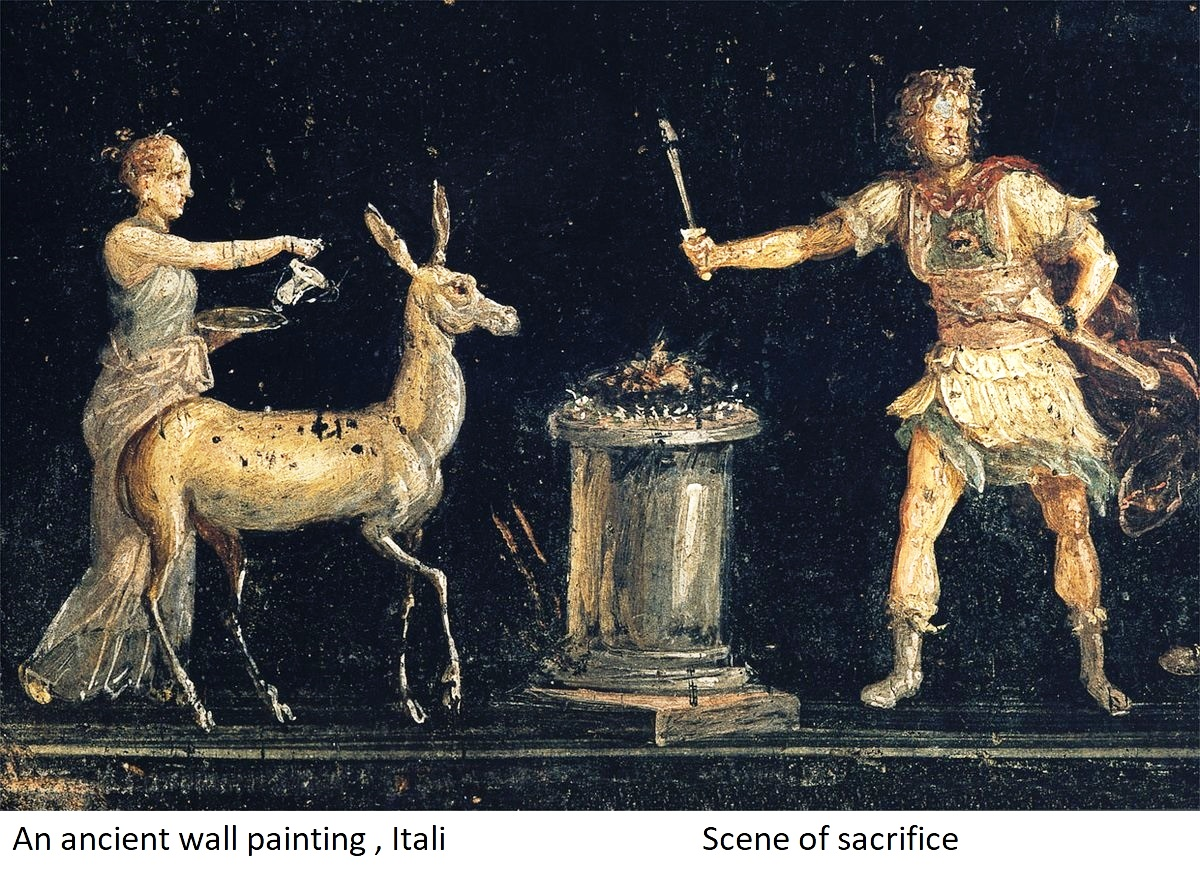
Their construction often involved rituals and dedications, invoking gods for protection and legitimacy.