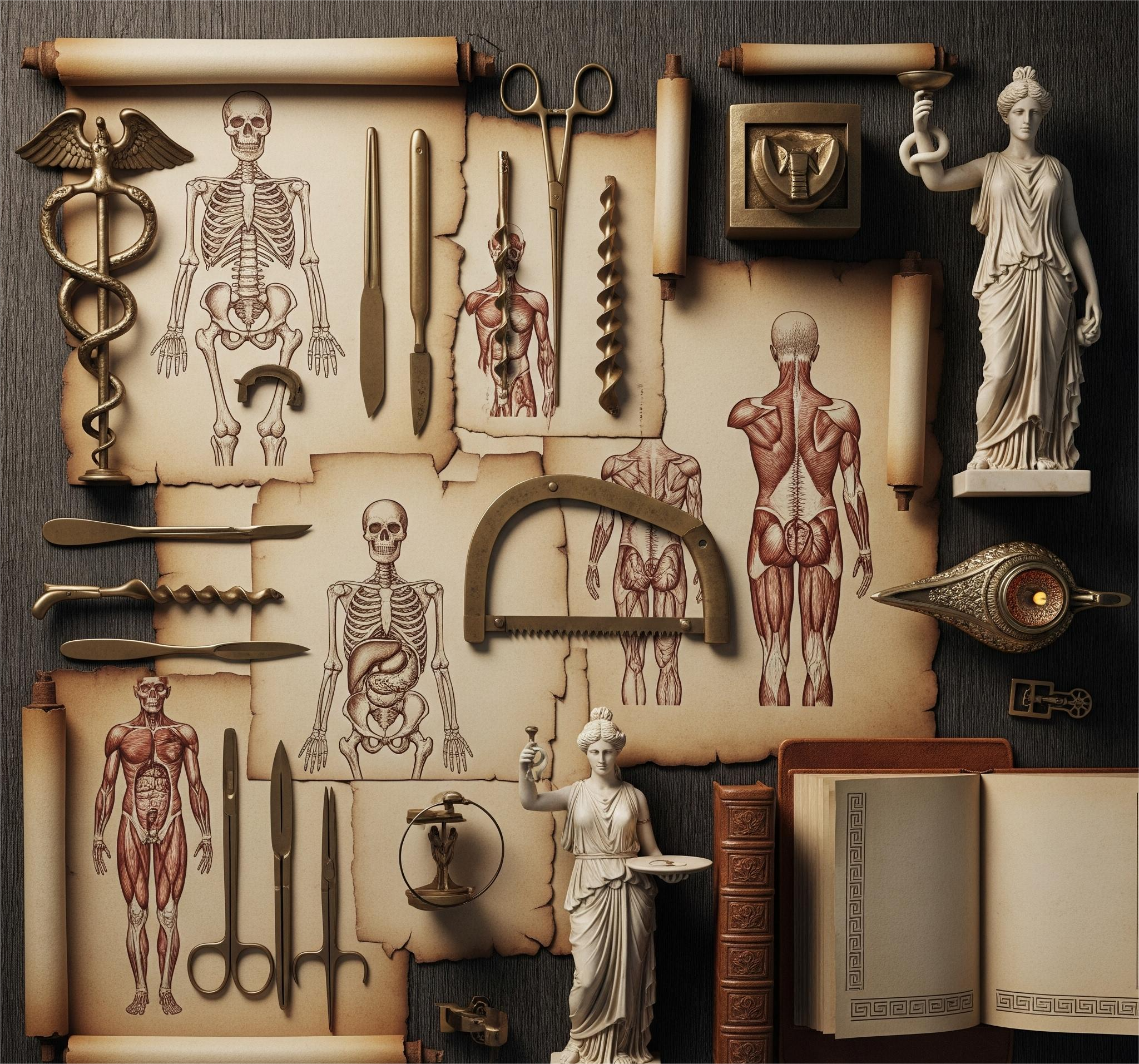
Long before modern hospitals, antibiotics, or stethoscopes, ancient Greek physicians laid the intellectual foundation for Western medicine. The Hippocratic Corpus and the writings of Galen represent two of the most influential bodies of medical literature from antiquity, shaping healthcare for over a millennium. These texts offered not only technical knowledge but also philosophical approaches to health, ethics, and the human body.
The Hippocratic Corpus: Medicine with a Moral Code
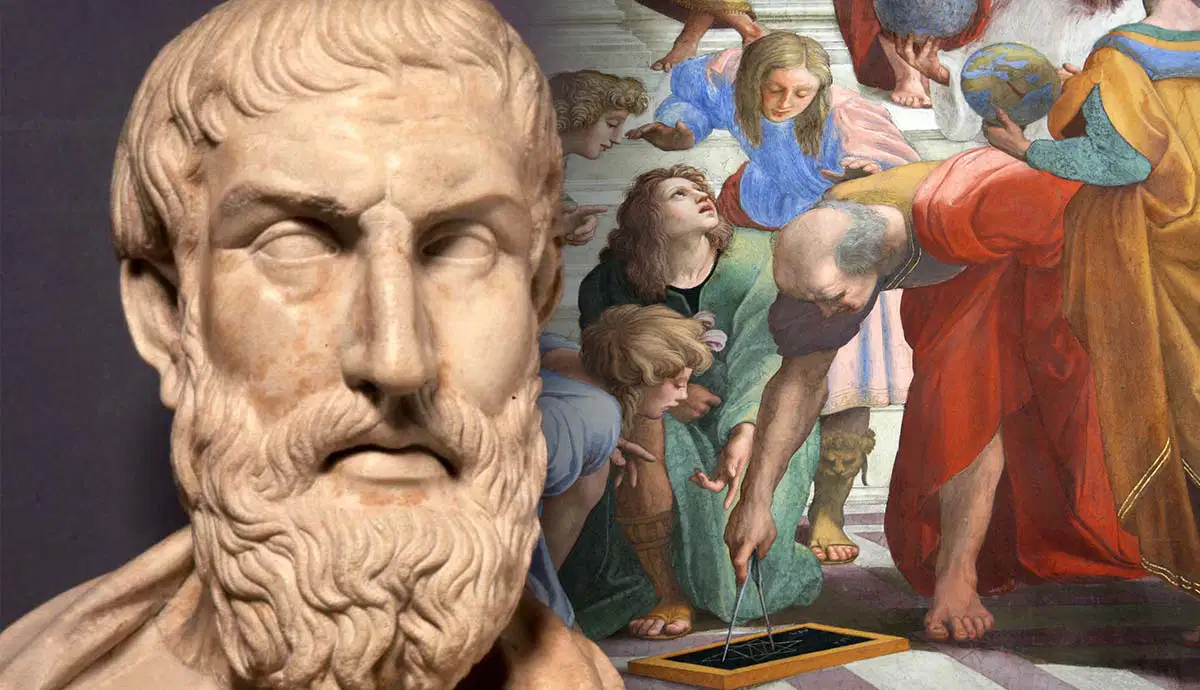
The Hippocratic Corpus is a collection of around 60 medical works written in the 5th and 4th centuries BCE. Although attributed to Hippocrates of Kos, the "Father of Medicine," scholars now believe the texts were authored by various physicians from his school.
Key Contributions:
Natural Causes of Disease: Departing from supernatural explanations, the Corpus emphasized rational observation, diet, and environment in diagnosing illness.
Humoral Theory: Health was seen as a balance of four bodily fluids—blood, phlegm, black bile, and yellow bile. Imbalances caused disease.
Clinical Observation: Detailed case studies highlighted the importance of watching, recording, and understanding symptoms over time.
Medical Ethics: The famous Hippocratic Oath, a pledge of ethical conduct, still echoes in modern versions used by doctors today.
“First, do no harm.” – Not directly from the Corpus, but a core principle derived from its spirit.
Galen of Pergamon: Systematizer of Medicine
Living in the 2nd century CE, Galen built upon and expanded Hippocratic principles, becoming the most authoritative medical figure of the Roman Empire.
Why Galen Matters:
Anatomical Insight: Galen conducted dissections (mainly on animals) and provided the most complete anatomical descriptions of his time.
Philosophy Meets Medicine: He merged Platonic and Aristotelian thought with medicine, giving the field intellectual weight.
Pharmacology and Therapy: He compiled vast lists of remedies and herbal treatments, establishing therapeutic routines still referenced centuries later.
Diagnostic Methods: Galen emphasized pulse-taking and urine analysis, reinforcing the practice of individualized diagnosis.
His texts—written in Greek and later translated into Arabic and Latin—became standard textbooks in both the Islamic world and medieval Europe.
Lasting Influence
For over 1,400 years, the works of Hippocrates and Galen dominated medical education in Europe and the Middle East. Though some theories—like the four humors—were eventually overturned, the legacy of observation, logic, and ethical care remained.
Major Impacts:
Medical schools in Byzantium, Baghdad, Salerno, and Paris used these texts for centuries.
Galen’s anatomy was unchallenged until Vesalius in the 16th century.
The idea of medicine as a rational, ethical profession began with the Hippocratic school.
Modern Echoes
Even today, the spirit of Greek medical texts lives on:
Clinical observation and patient history remain key.
The Hippocratic Oath symbolizes ethical responsibility.
The holistic view of health—body, environment, lifestyle—is being revived in modern wellness practices.