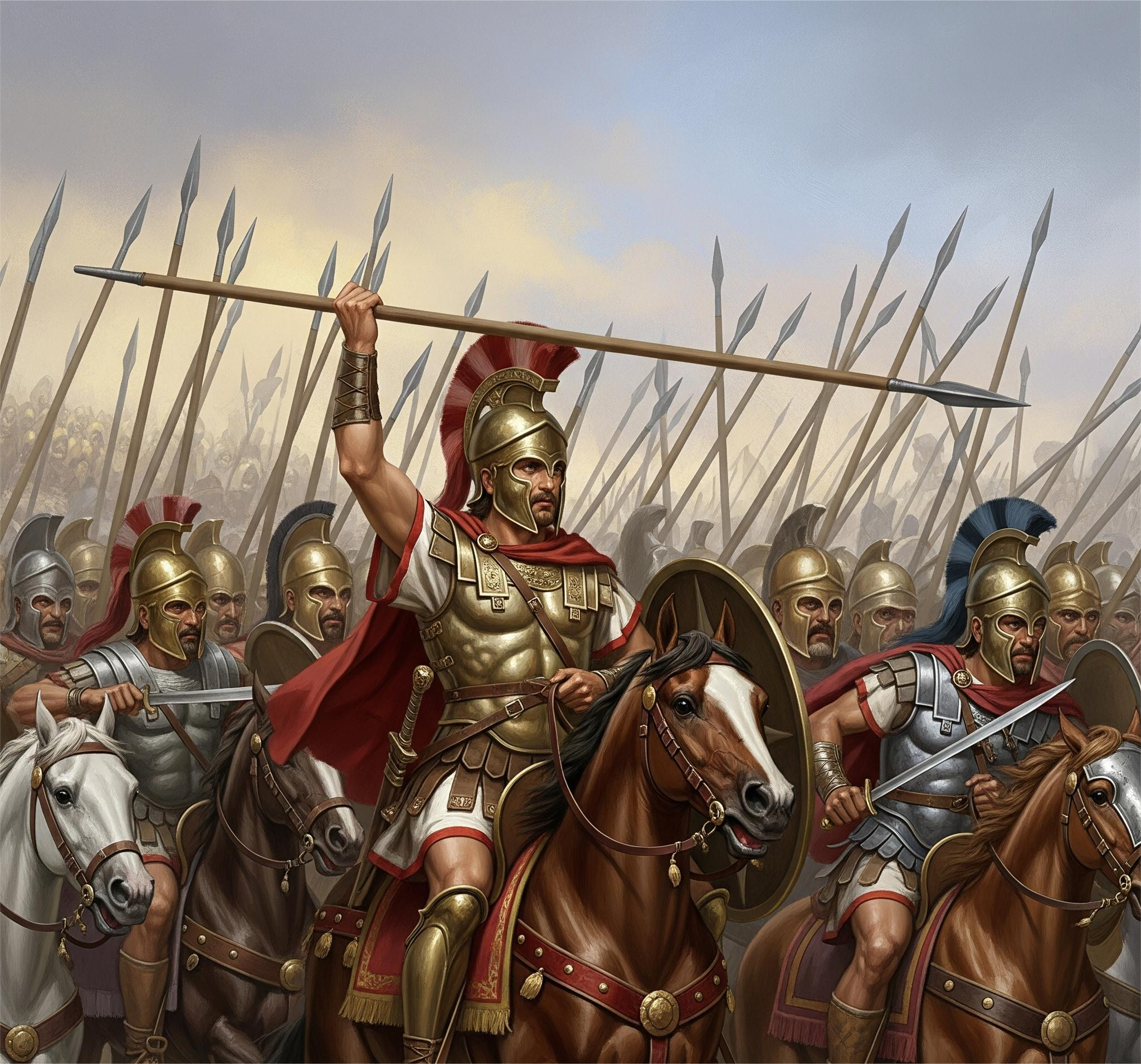
Before Alexander the Great conquered much of the known world, his father Philip II of Macedon laid the military foundation that made those conquests possible. Ascending the throne in 359 BCE, Philip inherited a weak kingdom threatened by internal strife and foreign enemies. But within two decades, he not only secured Macedonia’s borders but also built the most formidable army of the era—redefining warfare across the Greek world.
Here’s how Philip II transformed ancient military tactics and created the backbone of Macedonian dominance.
1. The Macedonian Phalanx: Depth Over Width
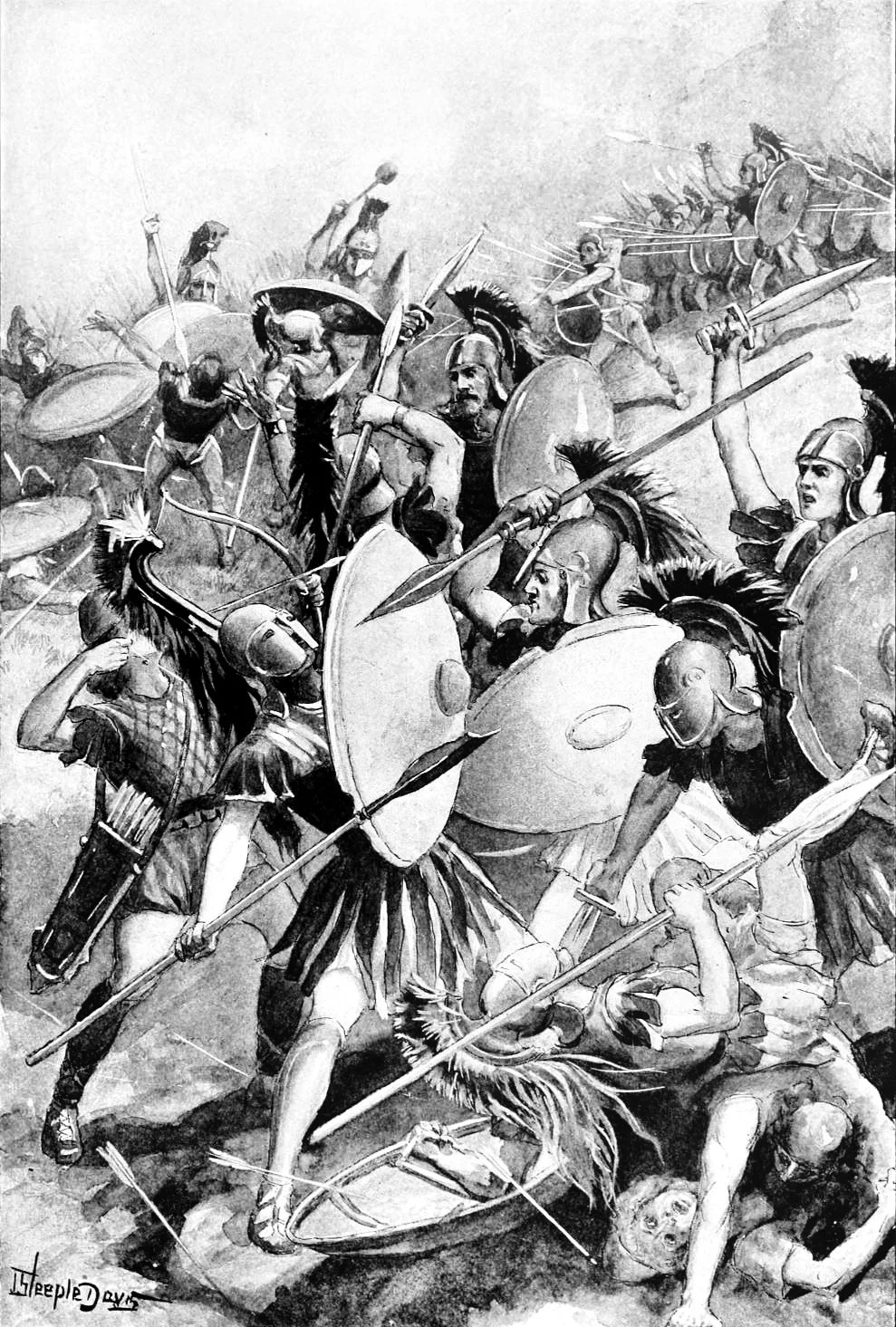
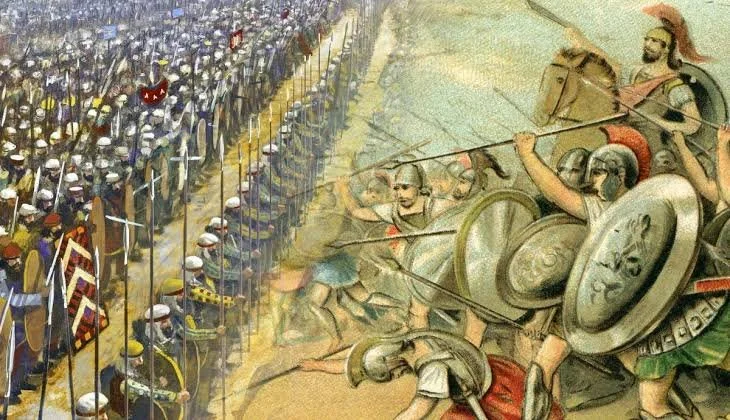
Philip’s most famous innovation was the reformation of the traditional Greek hoplite phalanx into the Macedonian phalanx—a tighter, more versatile formation:
Weapon upgrade: Soldiers (called pezhetairoi, or “foot companions”) wielded a sarissa, a spear 4 to 6 meters (13–20 feet) long—more than twice the length of the typical hoplite spear.
Tactical advantage: The sarissa gave Macedonian infantry greater reach, making frontal assaults extremely difficult for enemies.
Flexible formation: Philip trained his troops to fight in deep ranks, often 16 rows or more, allowing the phalanx to maintain cohesion and pressure even in complex terrain.
2. Professional Standing Army
Unlike other Greek city-states that relied on citizen-soldiers, Philip created a year-round, salaried professional army. This brought major advantages:
Discipline and consistency: Soldiers trained together extensively, creating elite cohesion and maneuverability.
Innovation-friendly: A standing force allowed for constant tactical drilling and the implementation of new strategies.
Loyalty to Philip: Rather than being tied to local politics, the army’s loyalty was primarily to the king and the Macedonian state.
3. Cavalry as a Strike Force
While cavalry had been secondary in most Greek armies, Philip elevated it to a central offensive role, especially the Companion Cavalry (Hetairoi):
Shock troops: Armed with spears and swords, these elite horsemen served as flanking and finishing forces, breaking enemy lines after the phalanx engaged.
Combined arms strategy: Philip coordinated infantry and cavalry like never before, creating a more fluid, multi-dimensional battlefield approach.
4. Siege Warfare and Engineering
Philip also invested in siegecraft, an often overlooked but critical part of his military arsenal:
He hired engineers and artisans to build advanced siege towers, battering rams, and catapults.
These tools helped Philip capture fortified Greek cities that had previously been nearly impervious to assault.
This focus on mobility and siege ability would later allow Alexander to take cities like Tyre and Gaza.
5. Logistics and Infrastructure
Philip recognized that supply chains win wars. He built roads and supply depots, improving the movement of troops and equipment. His army could:
March faster and farther than others.
Sustain longer campaigns, which made him unpredictable and able to strike at opportune moments.
6. Diplomacy + Force = Total Strategy
Philip wasn’t just a tactician—he was a master strategist. He:
Used marriages, alliances, and bribes to weaken enemies before attacking.
Installed loyal governors in newly captured territories to secure gains.
Leveraged his military reputation to intimidate rivals into submission, often avoiding battle entirely.
Legacy: Setting the Stage for Empire
Philip’s military reforms turned Macedonia from a marginal kingdom into the dominant force in Greece, culminating in his decisive victory at the Battle of Chaeronea (338 BCE). There, his new tactics crushed a coalition of Athens and Thebes, establishing Macedonian supremacy.
His son Alexander would inherit this machine and refine it even further—but the framework was entirely Philip’s creation.