When most people think of ancient Greek athletics, the Olympic Games immediately come to mind. Held every four years at Olympia, they were the most prestigious and widely celebrated sporting event in the Greek world. But the Olympics were just one part of a broader athletic calendar that included many other festivals—each with its own religious, cultural, and political significance. These Panhellenic Games and local athletic contests played a key role in uniting the Greek world, fostering competition, and celebrating excellence in both body and spirit.
The Panhellenic Games: A Circuit of Champions
In addition to the Olympics, there were three other major Panhellenic (all-Greek) Games: the Pythian, Isthmian, and Nemean Games. These four together formed a sacred athletic circuit that allowed elite athletes to travel across the Greek world and compete for glory.
1. The Pythian Games (Delphi)
Held every four years at the sanctuary of Apollo in Delphi, the Pythian Games were second only to the Olympics in prestige. In addition to athletic events like footraces, boxing, and chariot races, the Pythian Games featured musical and artistic competitions, reflecting Apollo’s patronage of the arts. Poets, musicians, and orators all vied for laurel wreaths, giving this festival a more intellectual flavor.
2. The Isthmian Games (Corinth)
Held biennially near Corinth, these games honored Poseidon, god of the sea. Their location by the Isthmus made them easily accessible, attracting athletes and spectators from across the Greek world. Events included wrestling, pankration, and horse racing, as well as musical contests. Because of their central location and frequency, the Isthmian Games were particularly popular and politically important.
3. The Nemean Games (Nemea)
Held every two years in the small town of Nemea, these games honored Zeus. Though smaller in scale than the Olympics, the Nemean Games included many of the same events and were part of the Panhellenic circuit. The setting was solemn and sacred, and victors were crowned with wild celery wreaths—a unique distinction among the major festivals.
Local Games and Regional Celebrations
Beyond the Panhellenic festivals, local athletic contests were common across city-states, often tied to religious festivals and hero cults. These included:
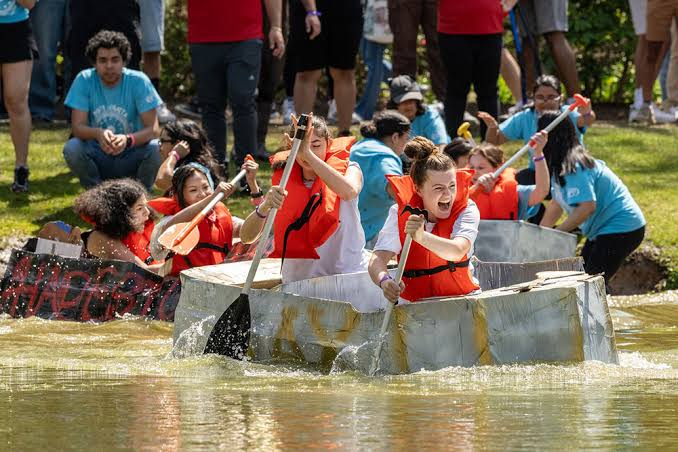
The Panathenaic Games (Athens): Celebrated every four years in honor of Athena, these featured unique events like the torch race, boat races, and musical competitions, along with standard athletics.
The Karneia (Sparta): Combined music, athletics, and military drills, reflecting Sparta’s dual emphasis on discipline and celebration.
The Eleutheria (Larissa): Known for bull-leaping and horseback events, showing Thessaly’s love of equestrian sports.
These local games helped cities showcase their cultural identity and maintain civic pride. They also offered opportunities for rising athletes to test their skills before entering the more prestigious Panhellenic arena.
Athletics as a Religious Act
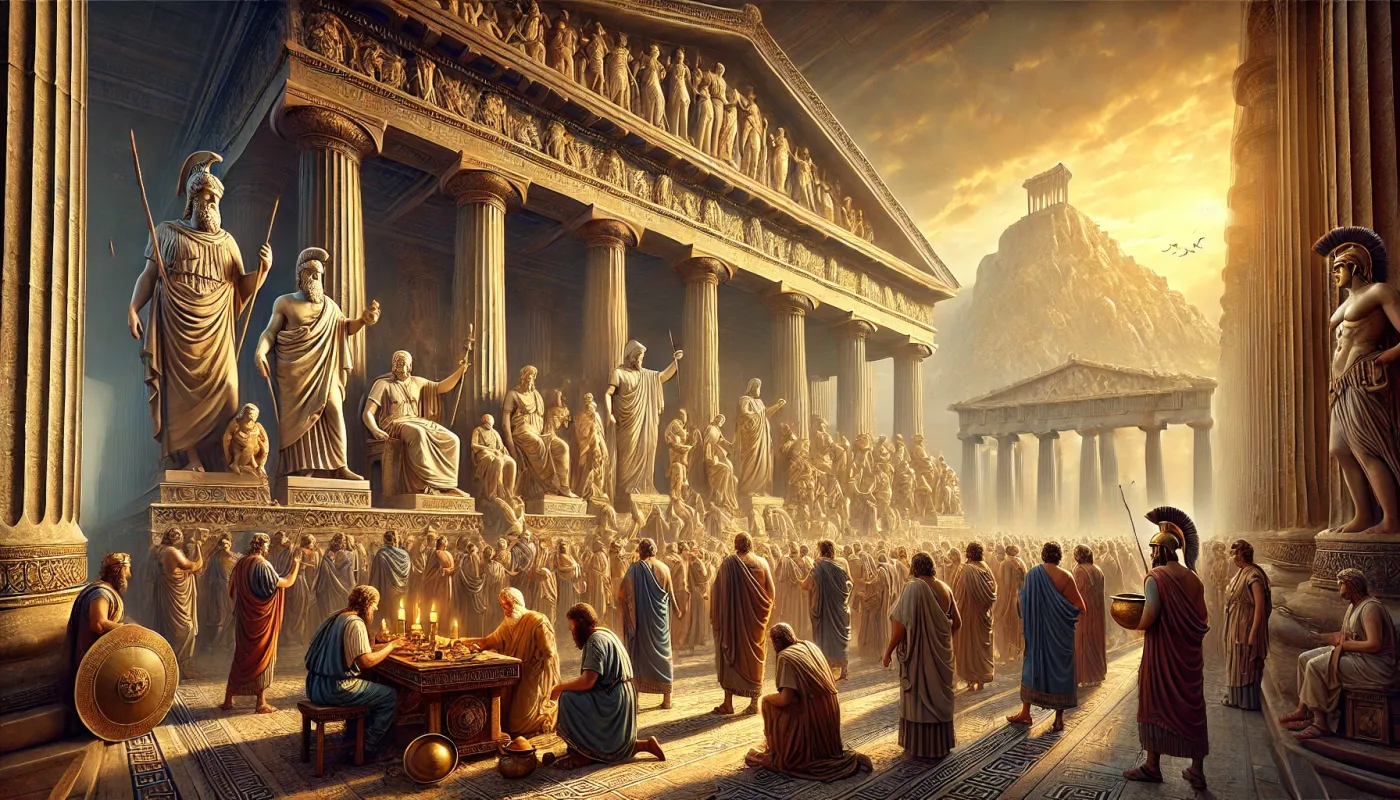
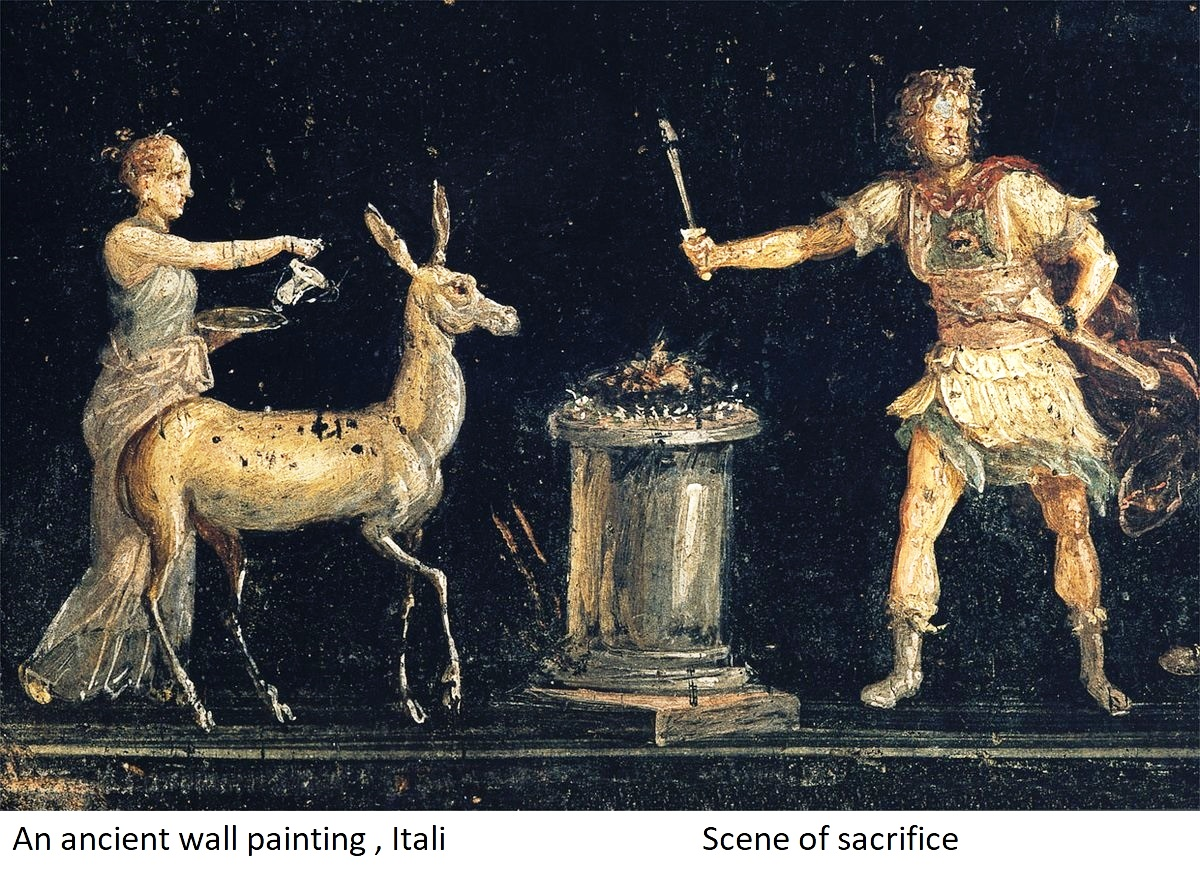
All Greek athletic festivals had a deeply religious dimension. Competitions were typically held in sanctuaries, preceded by sacrifices and processions. Victories were not only personal achievements but also offerings to the gods, often commemorated with dedications, statues, and poems.
Participation in these events was seen as a form of arete (excellence and virtue), demonstrating the harmony of physical prowess, mental discipline, and moral character—an ideal that shaped Greek culture.
The Athletes and Their Rewards
Unlike modern athletes who often receive monetary prizes and endorsements, ancient Greek athletes competed primarily for honor and prestige. In the Panhellenic Games, the prizes were symbolic—olive, laurel, pine, or celery wreaths, depending on the event.
However, success brought immense fame. Victors were celebrated with parades, sculptures, and free meals for life in their home cities. Some even gained political influence, proving how athletic excellence could elevate one’s social standing.