Few words in history evoke the same awe and intensity as "Sparta." Renowned for its unmatched military prowess, the city-state's dominance was no accident—it was the result of a relentless and disciplined training system known as the Agoge. Designed to craft elite warriors from childhood, the Agoge molded young Spartan males into fearsome hoplites, but also instilled communal loyalty, endurance, and strategic cunning. This system remains one of the most famous education and training regimes of the ancient world.
The Origins and Purpose of the Agoge
The Agoge was not merely military training—it was a comprehensive social and educational institution. Rooted in Spartan values of obedience, austerity, and physical excellence, the Agoge was mandated by law and formed the backbone of Spartan society. Boys entered the system at the age of seven, leaving behind their families to live communally and begin their transformation into elite soldiers.
The goal was clear: to produce warriors who were physically unbreakable, mentally disciplined, and utterly loyal to the state.
Structure of Spartan Training
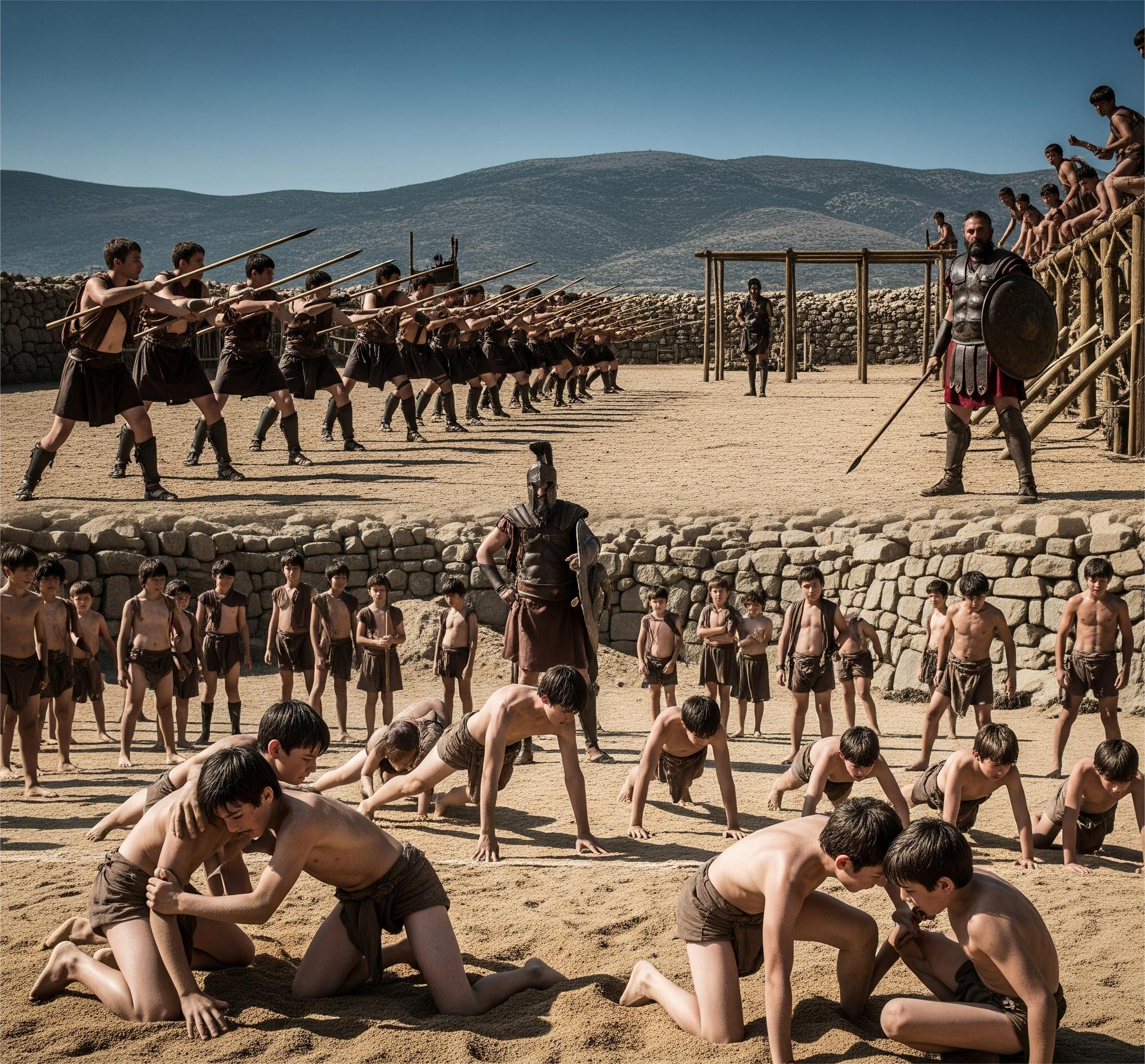
Spartan boys were organized into agelai (herds), groups led by older youths. Their education included:
Physical Conditioning: Training emphasized running, wrestling, pankration (a brutal mix of boxing and wrestling), swimming, jumping, javelin and discus throwing, and combat drills. Pain endurance and survival skills were also tested, often through harsh punishments or sanctioned fights.
Mental Fortitude: Spartans were taught to endure hunger, pain, and discomfort. They often went barefoot, wore minimal clothing year-round, and ate meager rations. To survive, boys were encouraged to steal food—but if caught, they were punished for being clumsy, not dishonest.
Discipline and Obedience: The Agoge focused heavily on obedience, silence, and self-restraint. Young Spartans learned to speak sparingly and wisely—giving rise to the term “laconic” (from Laconia, the region of Sparta).
Communal Identity: The system forged a deep sense of camaraderie and loyalty among Spartan males. Bonds formed in the Agoge lasted a lifetime and were crucial in battle.
Training for War and Glory
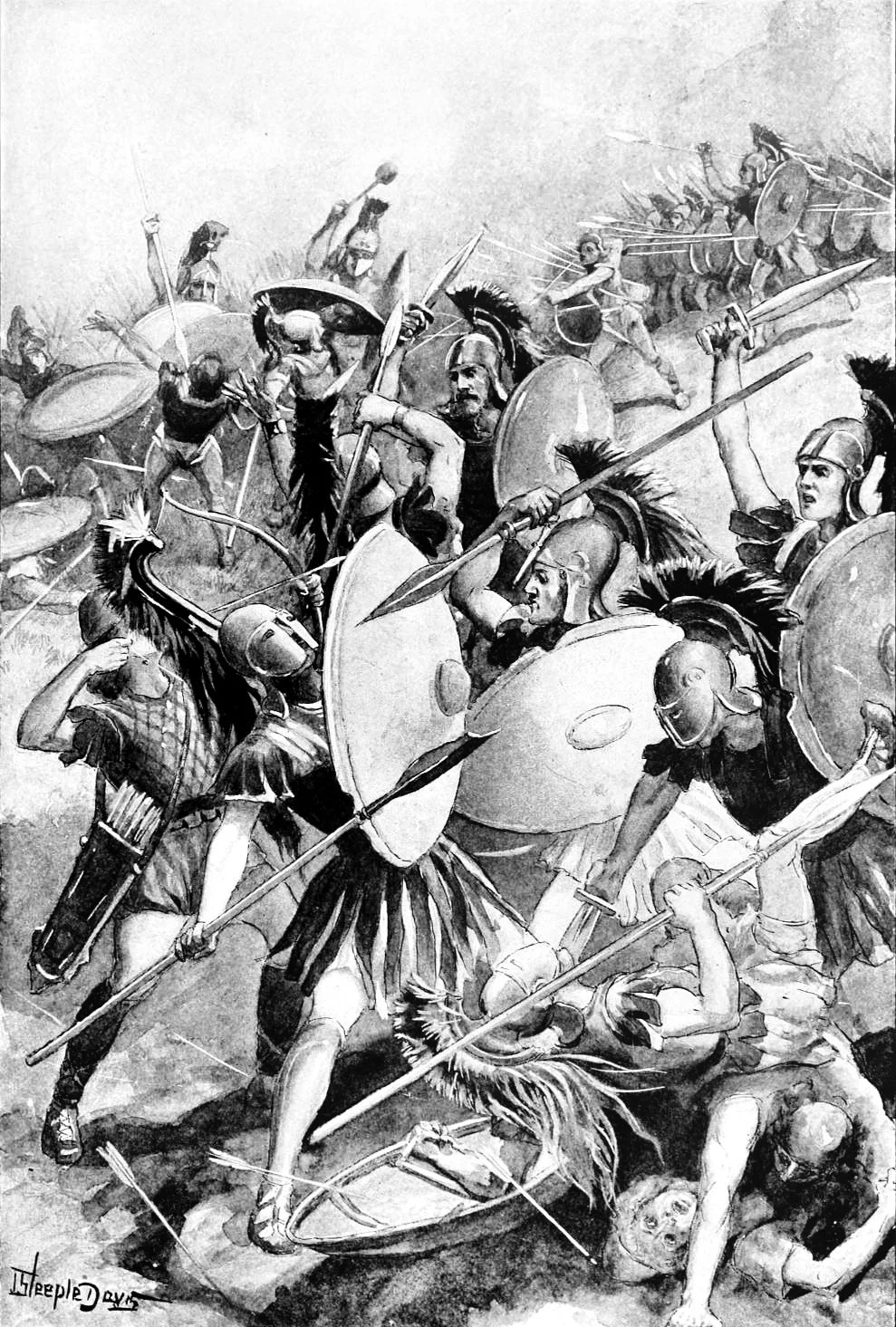
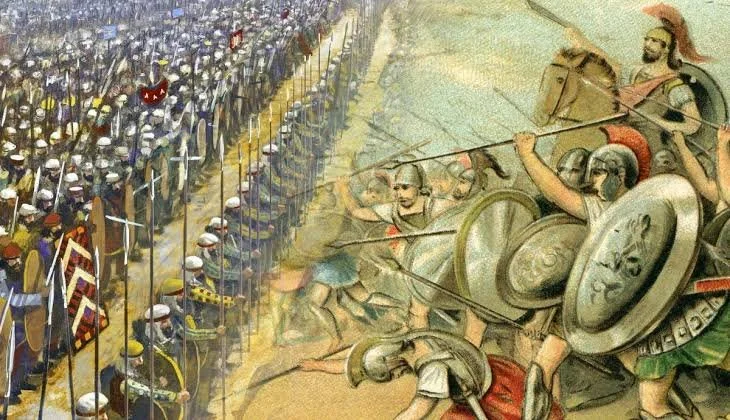
By the time they were teenagers, Spartan boys engaged in mock battles and participated in contests of strength and skill. The most daring and promising among them were selected for the Krypteia, a secret rite of passage where they lived off the land and engaged in stealth missions. While its full purpose remains debated, many believe it was a test of cunning, survival, and psychological readiness for war.
At age 20, the young men officially became part of the Spartan army, joining a syssitia (mess group), where they lived and dined with their comrades—further reinforcing loyalty and unity.
Athletics and Civic Pride
While the Agoge was designed for war, it naturally produced some of Greece’s most capable athletes. Spartans excelled in Olympic and Panhellenic games, particularly in events requiring endurance and combat skill, like running and wrestling. Their athleticism wasn’t ornamental—it was a product of their lifestyle.
The Role of Women and Broader Impact
Unlike other Greek city-states, Spartan women were also physically trained—to bear strong children and defend Sparta if needed. Their education included running, javelin throwing, and even singing patriotic songs.
The Agoge influenced later military and educational systems, particularly those that prized endurance, discipline, and national service. Though harsh by modern standards, it remains a symbol of total commitment to physical and moral training.