Athletic training in ancient Greece was not just about physical prowess—it was a cultural and moral imperative. The Greeks believed that developing the body through disciplined exercise was essential to cultivating a virtuous and balanced life.
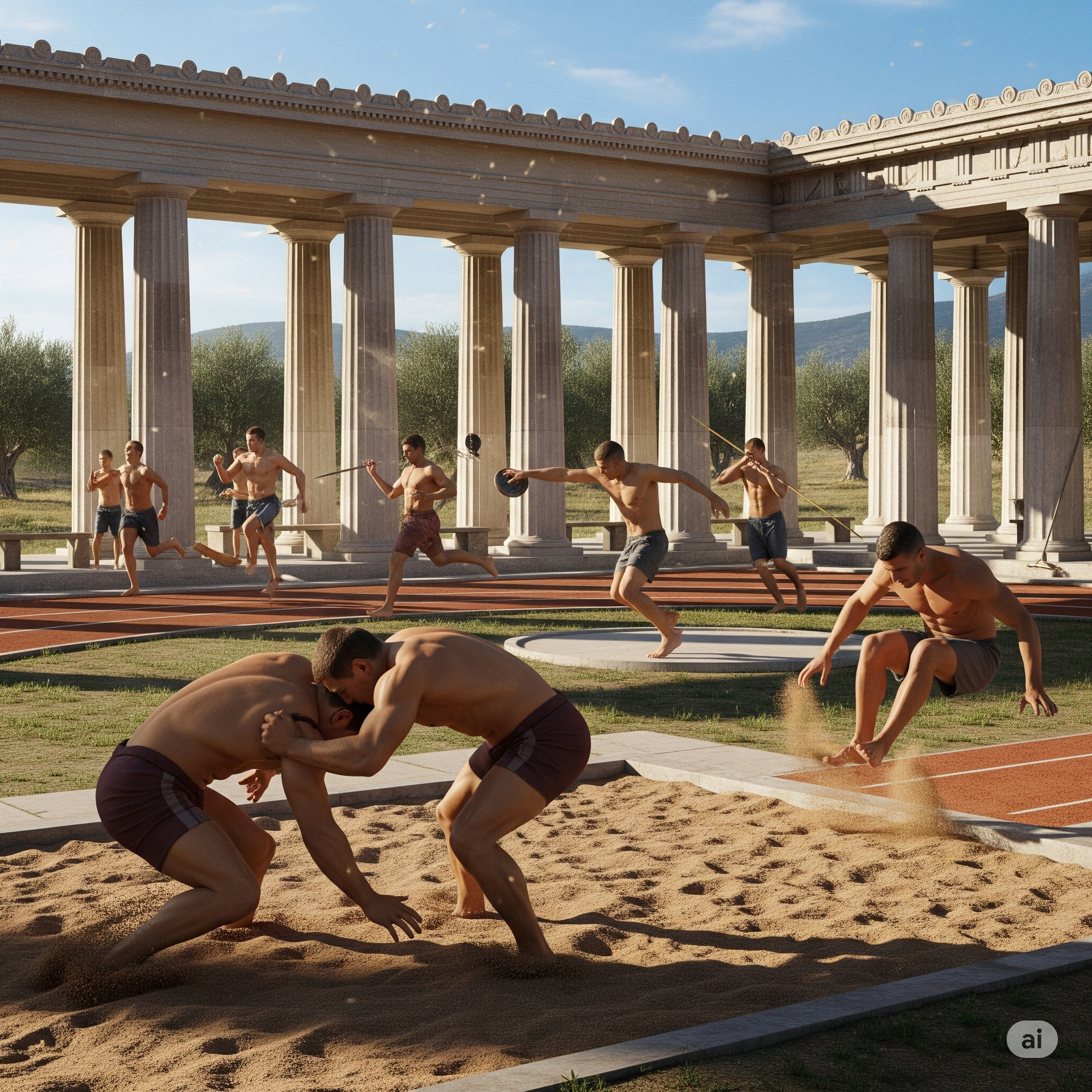
Training began early, often in childhood, under the supervision of paidotribes and gymnasiarchs, specialists in physical education. Athletes followed strict regimens involving running, jumping, wrestling, boxing, and weapon handling. The emphasis was on achieving balance, symmetry, and coordination.
Diet, rest, and self-control were also considered part of the athlete’s discipline. Olive oil was used both to condition the skin and as part of a cleansing ritual with a strigil. Competitors trained in public gymnasia, fostering camaraderie and rivalry alike.
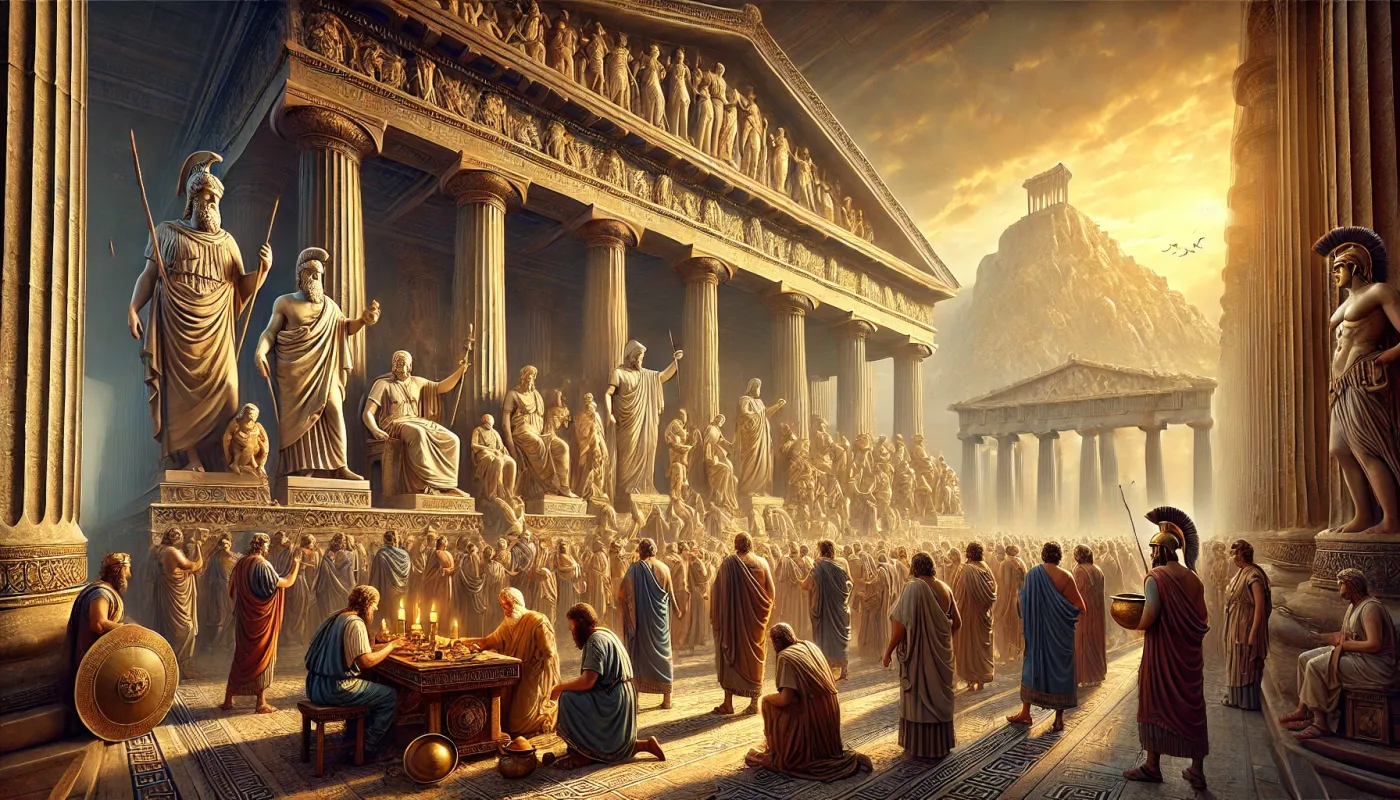
The competitive spirit among Greek athletes was intense. Winning brought immense prestige—not only to the athlete but to his polis (city-state). Victors received olive wreaths, free meals, front-row theater seats, and even statues erected in their honor. Defeat, however, was often met with shame or obscurity.
This pursuit of glory was driven by the ideal of arete—moral and physical excellence. Athletes competed not only for prizes but to embody the virtues of discipline, honor, and heroic legacy.
Greek athletics thus served as a mirror of societal values, linking personal achievement to communal identity and religious celebration.