From the thunder of sandals on packed earth to the roar of spectators in ancient stadiums, footraces were the cornerstone of Greek athletic competition. These events, simple yet profound, not only showcased individual speed and stamina but also reflected the values of Greek society: discipline, glory, and physical perfection.
The Stadion: The First Olympic Event
The earliest and most iconic of Greek footraces was the stadion, a sprint covering approximately 600 feet (about 180–200 meters). It was the sole event during the first recorded Olympic Games in 776 BCE. Competitors lined up in a dirt track carved into the earth, and victory in the stadion was so prestigious that entire Olympiads were sometimes named after its winner.
The stadion track itself became a standard unit of measurement, and the term “stadium” would later evolve into the name for sports arenas in general.
Expanding the Footrace Roster
As the games developed, new race types were added:
Diaulos: A double-stadion race, similar to a modern 400-meter sprint, where athletes turned around a post and raced back to the starting line.
Dolichos: A long-distance race of 7 to 24 stadia (1.5–3 miles or ~2.5–5 km), testing endurance and pacing rather than raw speed.
Hoplite Race (Hoplitodromos): A unique challenge where athletes raced in full military gear—helmet, shield, and sometimes greaves. This event mirrored the battlefield and emphasized agility under weight, a crucial skill for Greek soldiers.
These races were not only athletic contests but also symbolic demonstrations of martial readiness, civic pride, and divine favor.
Footraces Beyond Olympia
While the Olympics are the most famous, footraces were a staple of Panhellenic festivals held across the Greek world. The Pythian Games at Delphi, the Isthmian Games near Corinth, and the Nemean Games all featured racing events, often tailored to the religious and regional identities of each site.
Even in local festivals and civic celebrations, footracing remained a way for young men to earn honor and status. Athletic training was incorporated into Greek education, particularly in Sparta and Athens, ensuring that the culture of racing continued generation after generation.
Enduring Influence: From Pheidippides to the Modern Marathon
One of the most enduring legends tied to Greek running is the story of Pheidippides, a messenger who is said to have run from Marathon to Athens (roughly 26 miles or 42 km) to announce victory over the Persians in 490 BCE. Though the tale is likely a romanticized version of events, it inspired the modern marathon race, introduced in the 1896 Athens Olympics.
The marathon’s legacy links ancient Greek athleticism to modern sporting ideals, where endurance, honor, and personal achievement continue to inspire.
Cultural and Religious Importance
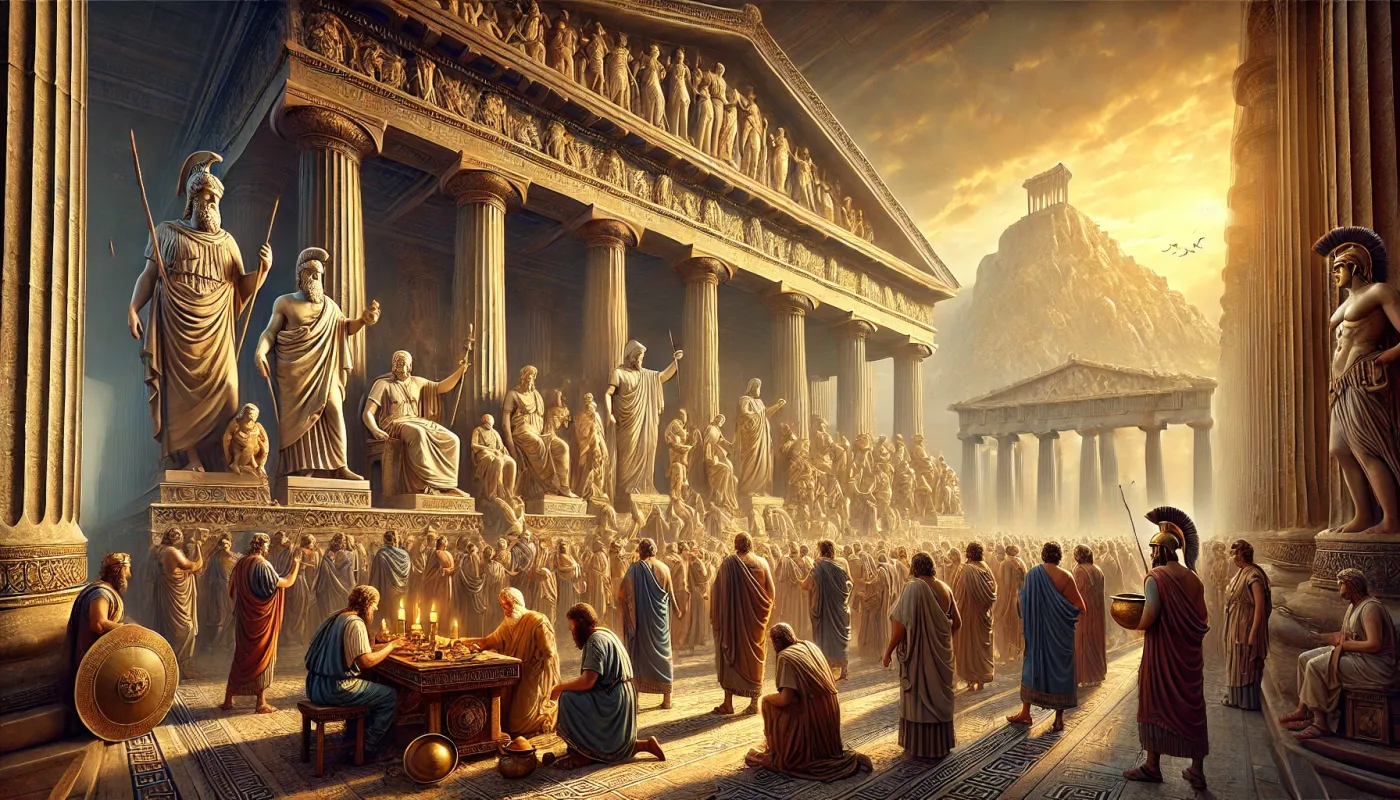
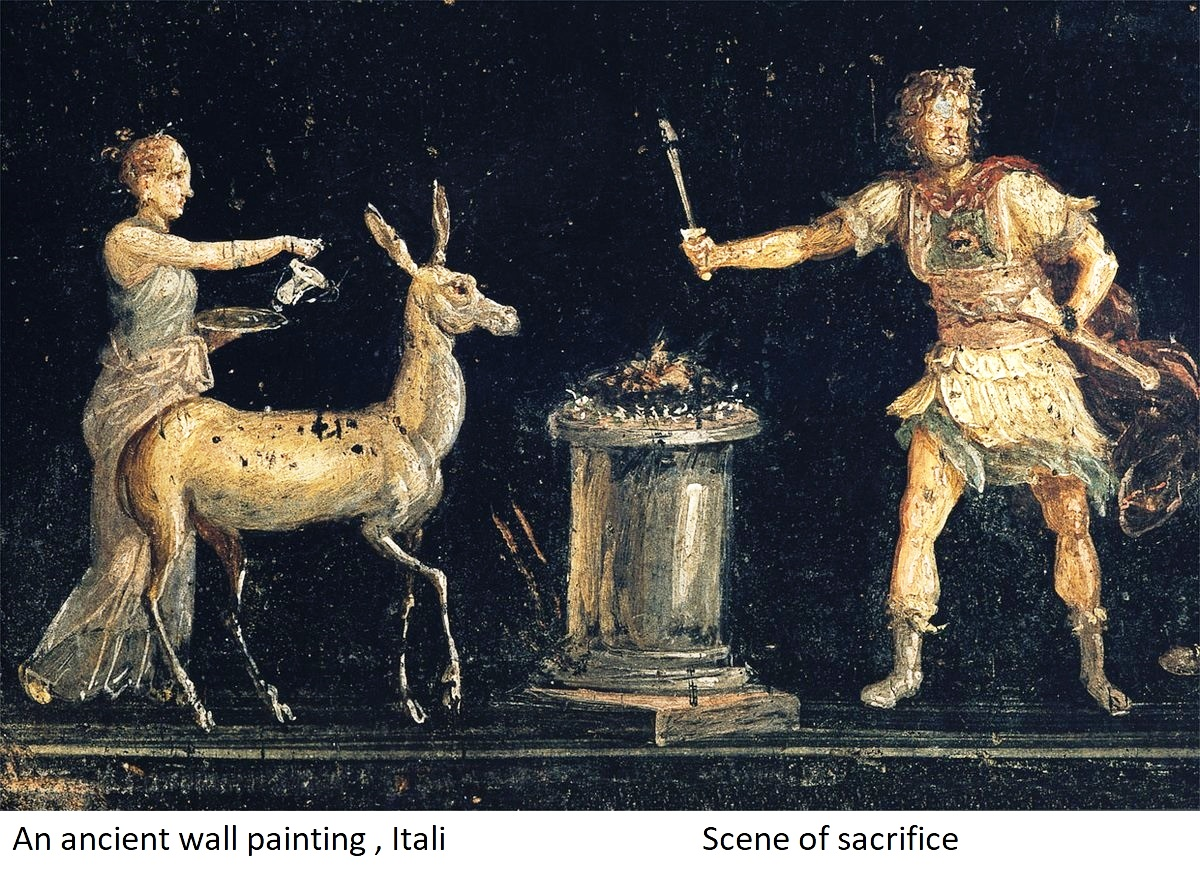
Footraces were often sacred rituals as much as athletic events. Victors were seen as blessed by the gods, especially Zeus, Apollo, and Hermes—deities associated with swiftness and competition. Winning a race conferred immense prestige, often earning athletes free meals for life, statues in their honor, and poetic tributes.