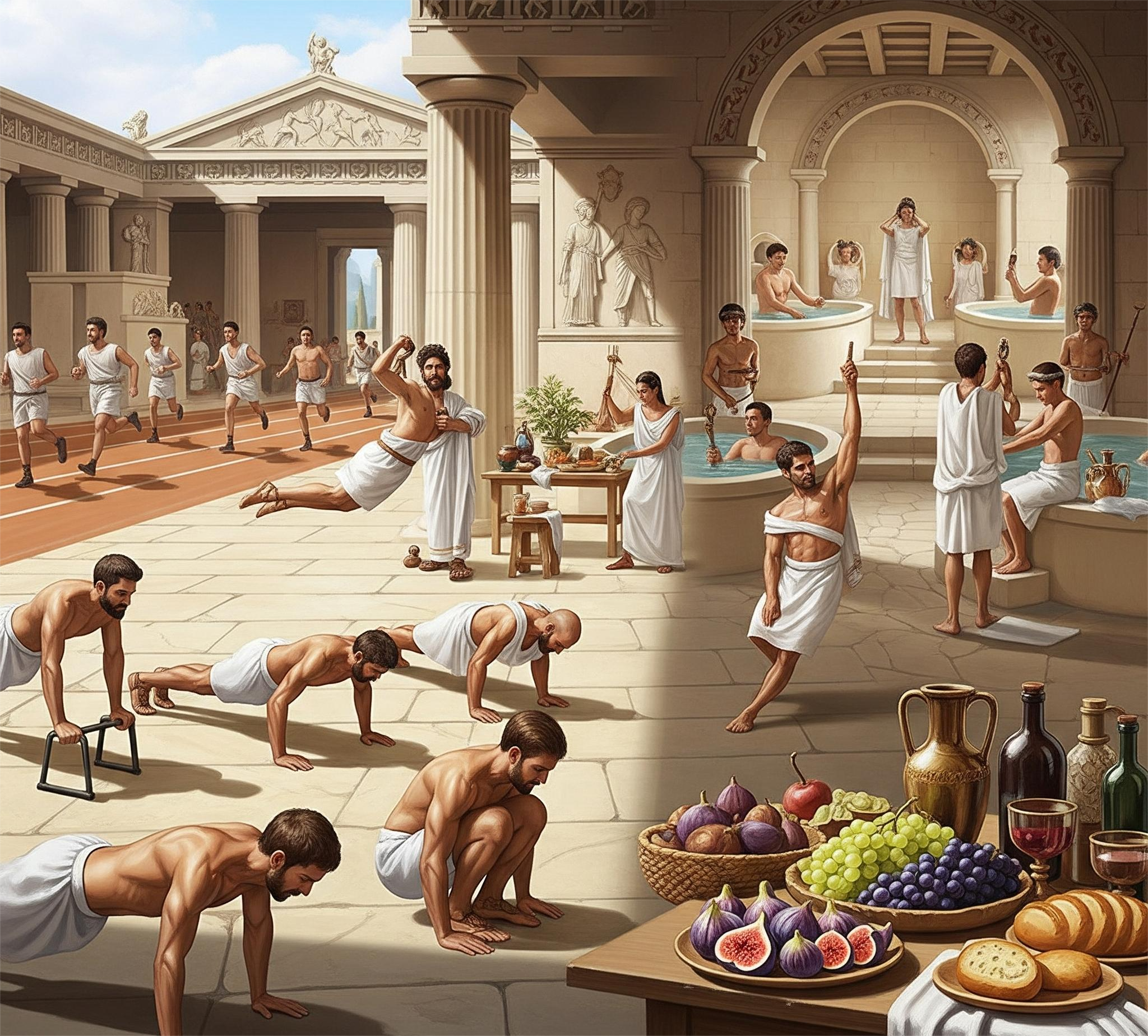
Long before protein shakes and gym memberships, the ancient Greeks laid the foundation for holistic health. Their fitness regimes combined exercise, diet, rest, and mental discipline, reflecting a belief that a healthy body was essential for a healthy mind. Rooted in both philosophy and practice, the Greek approach to fitness offers surprising insights—and practical tips—for today’s wellness enthusiasts.
The Greek Ideal: Balance of Body and Mind
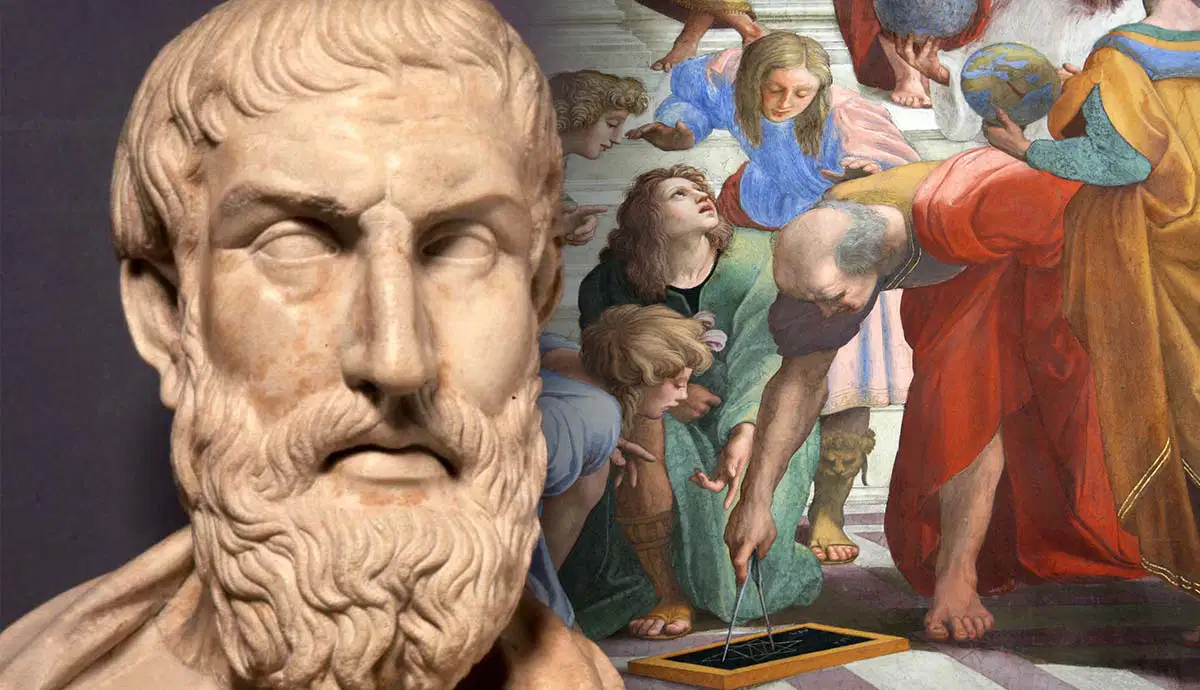
The Greeks believed in arete, or excellence, a concept that included both physical and moral virtue. A strong, agile body wasn’t just admired—it was expected of a good citizen. Training the body was a form of civic duty, especially in city-states like Athens and Sparta, where athleticism was tightly linked to military preparedness and personal discipline.
The Gymnasium: Ancient Fitness Centers
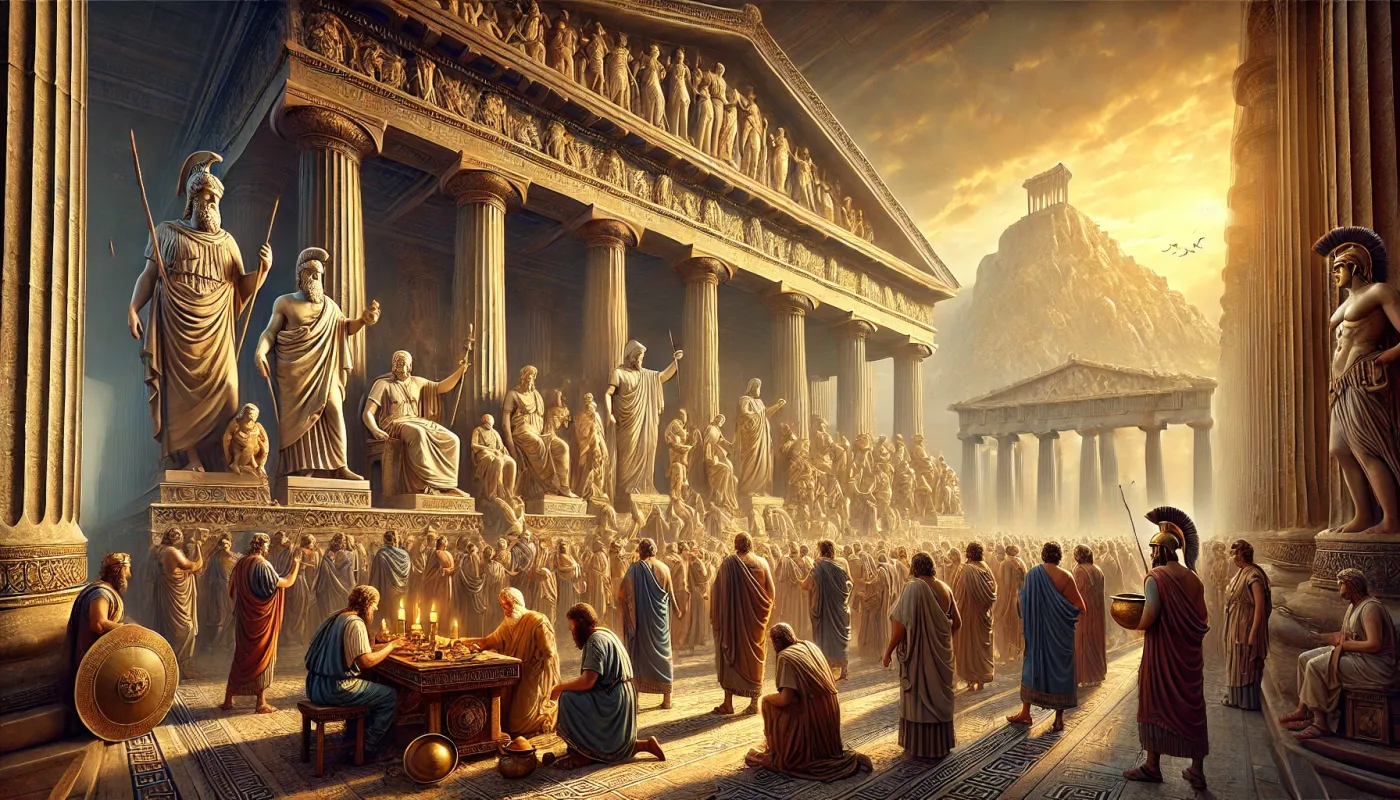
The gymnasium was a central part of Greek life. Far more than a place to exercise, it served as a hub for education, philosophy, and social interaction. Men of all ages came to train, debate, and relax. Key components included:
Palaestra – a space for wrestling and boxing
Xystos – a covered track for running during bad weather
Loutron – a bathing area for post-workout cleansing
Ancient Exercises That Still Work Today
Many ancient Greek workouts mirror modern fitness routines. Here are a few examples:
1. Calisthenics (Bodyweight Training)
Push-ups, squats, lunges, and planks were all used to build strength and endurance without equipment.
Greek soldiers practiced shield lifts and stone throws for resistance training—similar to modern weightlifting or kettlebell workouts.
2. Running and Sprinting
Track running, especially the stadion (a short sprint of about 180 meters), was a staple in training.
Distance running prepared warriors and athletes for long campaigns and competitions.
3. Pankration and Combat Sports
A blend of wrestling and boxing, pankration offered full-body conditioning and self-defense skills.
Grappling, joint locks, and strikes trained coordination, flexibility, and mental toughness.
4. Jumping and Throwing
Long jump training with weights (halteres) improved explosive power.
Javelin and discus throwing enhanced rotational strength and balance.
Diet and Nutrition: Simple, Clean, Balanced
Ancient Greek diets were rich in vegetables, legumes, olive oil, grains, and fresh fish, with meat eaten less frequently. Some wellness takeaways:
Moderation (sophrosyne) was key—overeating was discouraged.
Wine was consumed diluted and in social contexts to encourage mindfulness.
Honey, nuts, and fruit served as natural pre-workout snacks.
Rest and Recovery: The Missing Modern Piece
Greeks emphasized rest, sleep, and massage as vital parts of recovery. The use of olive oil for massages helped relax muscles and maintain skin health. Today, we’d recognize these as precursors to sports recovery methods like foam rolling, sleep hygiene, and mindfulness.
Holistic Health: Training the Mind Too
Many gymnasia were located near schools of philosophy. Physical exercise was paired with intellectual development, reflecting the belief that a fit body supports a sharp mind. Activities like meditation, poetry recitation, and philosophical debate were seen as mental exercises on par with physical training.
Ancient Tips for Modern Wellness
Prioritize daily movement – even without a gym
Practice functional strength – bodyweight over machines
Eat fresh, simple foods – and savor meals with others
Balance rest with effort – overtraining wasn’t admired
Involve your mind – read, reflect, and discuss ideas