In ancient Greece, gymnastics was far more than physical exercise—it was a philosophical pursuit, a civic duty, and a path to personal excellence. The Greeks believed that a sound body was essential to a sound mind, and their approach to physical education reflected a unique blend of athleticism, artistry, and intellect. Gymnastics was an integral part of daily life, deeply intertwined with religion, politics, and philosophy.
The Meaning of “Gymnastics” in Ancient Greece
The word “gymnastics” comes from the Greek word gymnos, meaning “naked,” because Greek athletes typically trained and competed without clothing. This practice was rooted in the cultural emphasis on the aesthetic of the human form, discipline, and equality in the gymnasium—a sacred space where social rank was temporarily suspended.
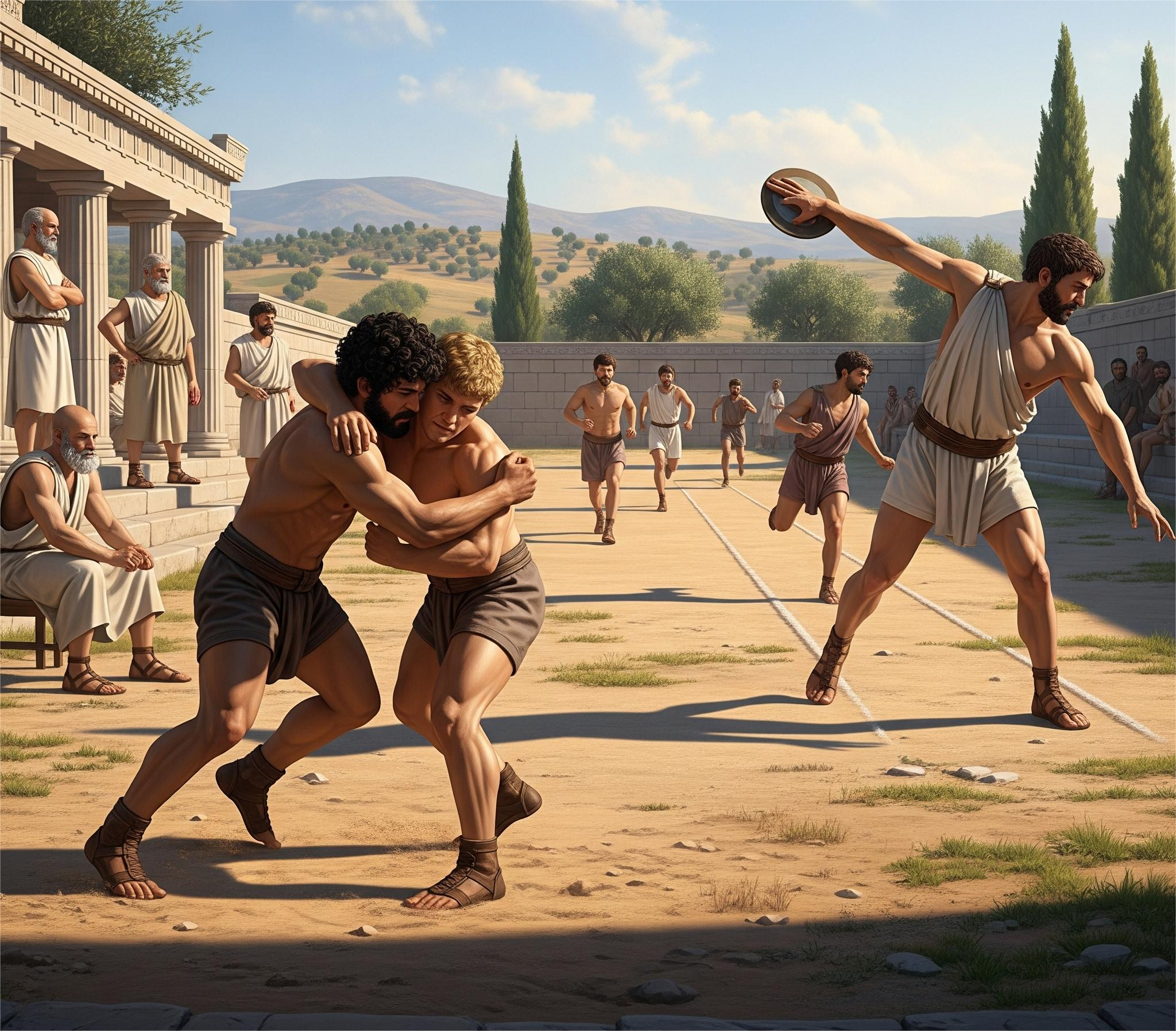
Unlike today’s focus on sport-specific training, ancient Greek gymnastics referred to a broad system of physical education that included running, jumping, wrestling, boxing, and discus and javelin throwing. It aimed to cultivate grace, strength, agility, and endurance while preparing men for warfare, competition, and citizenship.
The Gymnasium: More Than a Training Ground
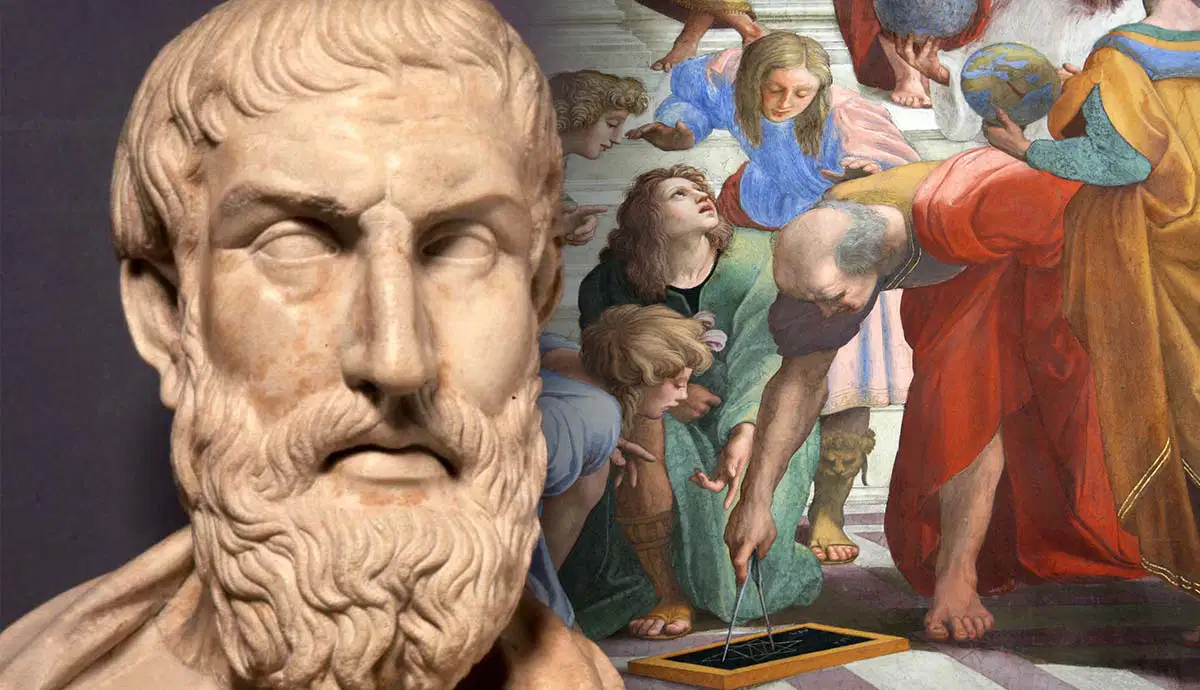
The gymnasium in ancient Greece was both a physical and intellectual hub. Young male citizens (especially of the aristocratic class) would gather in these public spaces not only to train their bodies but also to engage in philosophical discussions and learn subjects like music, poetry, and rhetoric. Great philosophers such as Plato and Socrates often frequented gymnasia, and their schools—like Plato’s Academy—were often built near or in them.
This holistic education was known as paideia, a concept that embodied the ideal of cultivating the complete person: morally, physically, and intellectually.
The Role of Athletics in Greek Culture
Athleticism was essential to Greek identity. Arete, or the pursuit of excellence, was a central value in society, and gymnastics served as a means to attain it. Every Greek city-state had its own gymnasium and palaestra (wrestling school), and boys began training as early as age seven.
Training was rigorous and often supervised by paidotribes (physical trainers) who tailored regimens for athletes and soldiers alike. Exercises were usually performed in rhythm with music to encourage both physical control and mental focus.
This training also had military applications. The hoplite soldier relied on speed, coordination, and endurance—skills directly honed in gymnastic routines. Physical prowess was not just admired but seen as vital to civic duty.
Religious and Competitive Dimensions
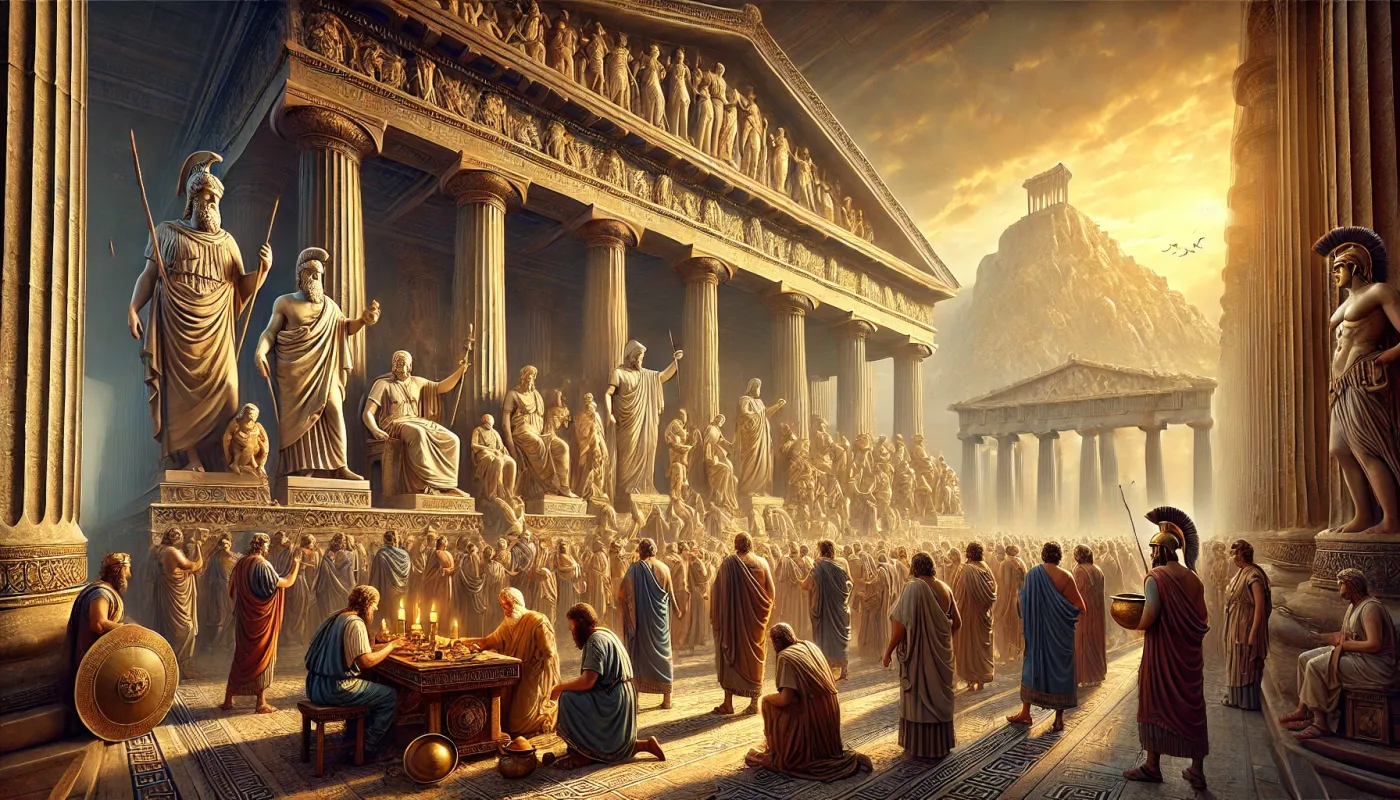
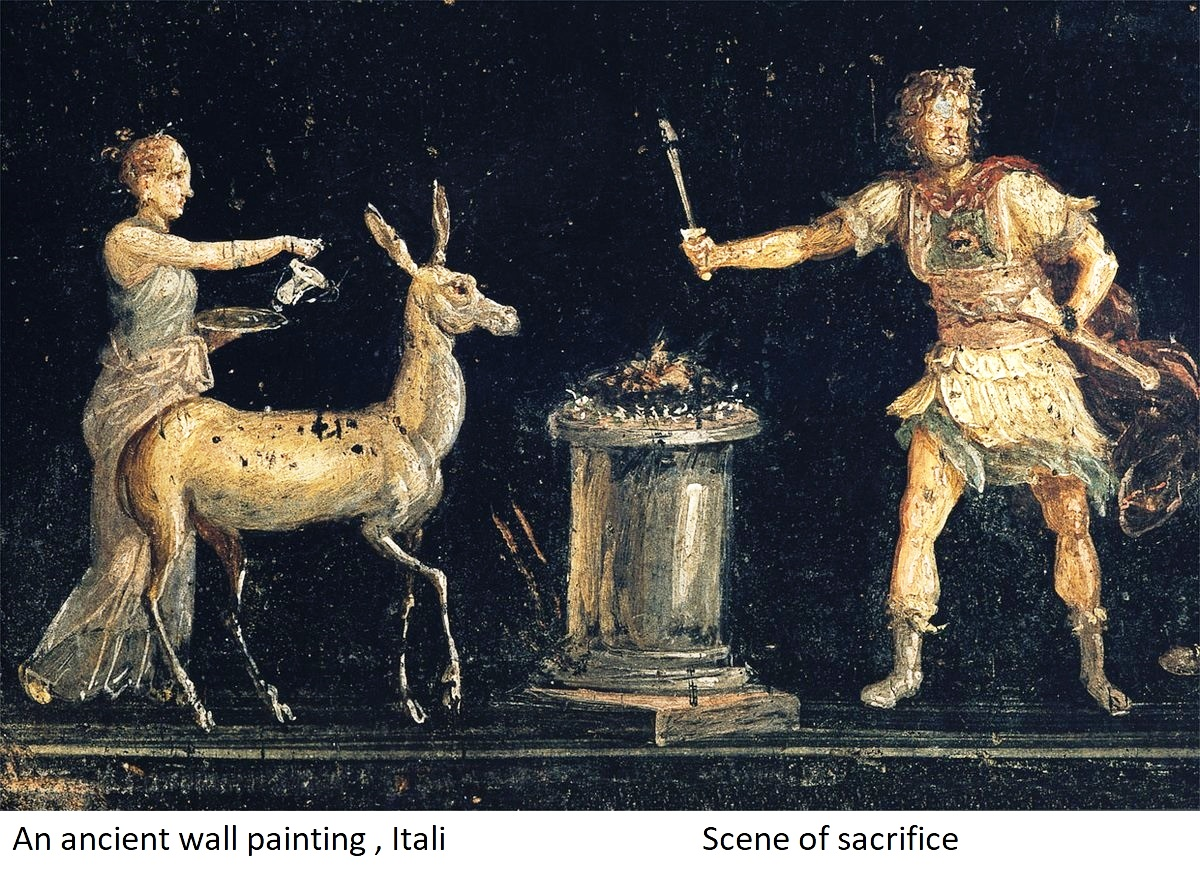
Gymnastics also had religious significance. Competitions like the Olympic Games, dedicated to Zeus, and the Pythian Games, honoring Apollo, featured gymnastic events that were as much spiritual offerings as athletic feats. Victors were celebrated as heroes, with their images immortalized in statues and songs, reinforcing the divine connection between physical excellence and divine favor.
Women and Gymnastics
While Greek society largely restricted athletic training to men, some exceptions existed. In Sparta, women also received physical education to ensure they would produce strong offspring and support the state. Spartan girls trained in running, wrestling, and dancing—a radical departure from the rest of Greece, where women’s athletic involvement was generally limited.
Legacy and Influence
The ancient Greek model of holistic education deeply influenced Roman traditions and later Renaissance thought. It laid the foundation for modern physical education and the Olympic movement. Today, we still echo Greek ideals when we talk about training the body and mind together, highlighting the lasting impact of their gymnastic philosophy.