Ankara announces naval research activities south of the Greek island of Kastellorizo, once again bringing the long-running dispute over sovereignty and maritime boundaries in the Eastern Mediterranean into focus.
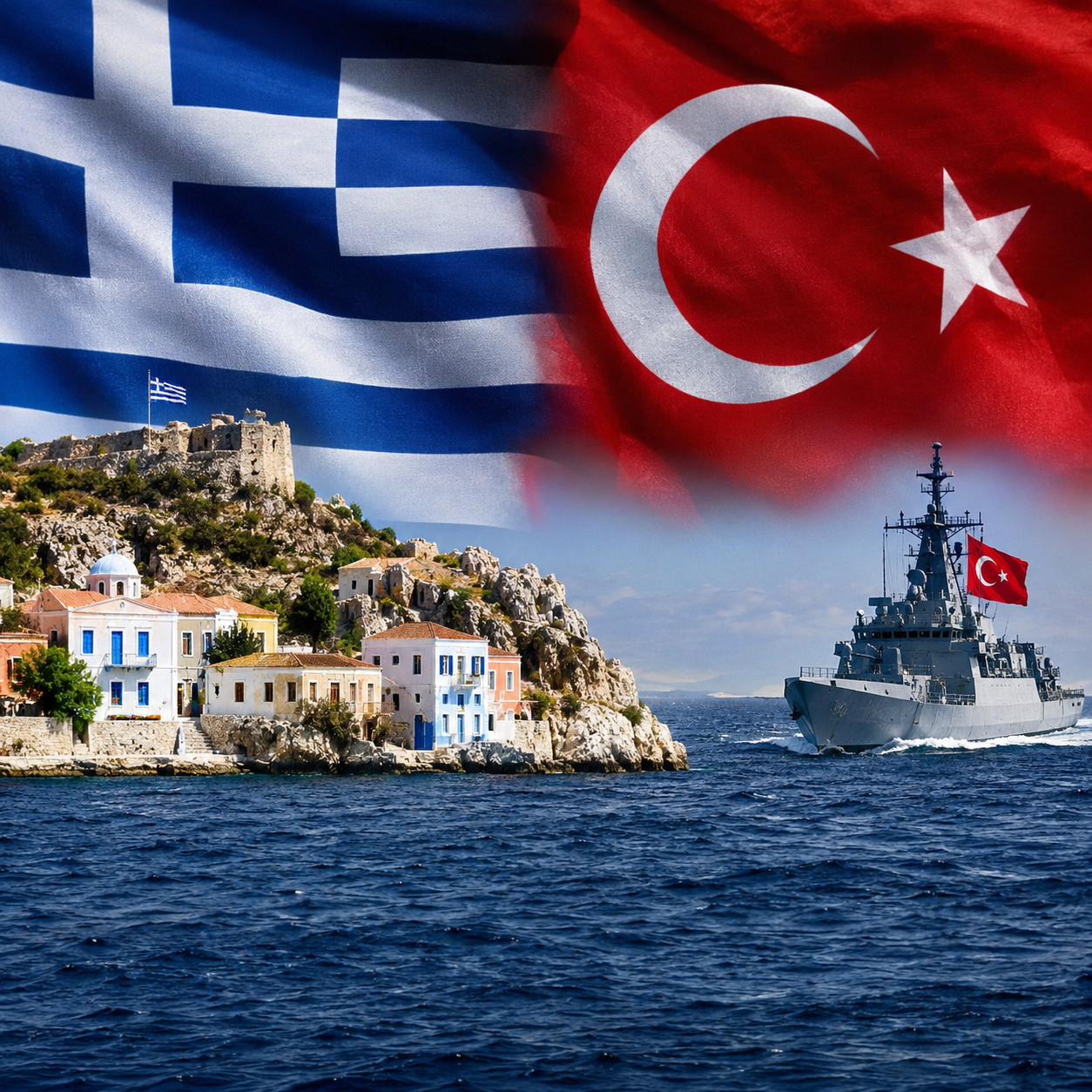
Turkey has issued a new NAVTEX announcing hydrographic research activities in waters south of the Greek island of Kastellorizo, in a move that once again highlights Ankara’s continued challenges to Greece’s maritime rights in the Eastern Mediterranean.
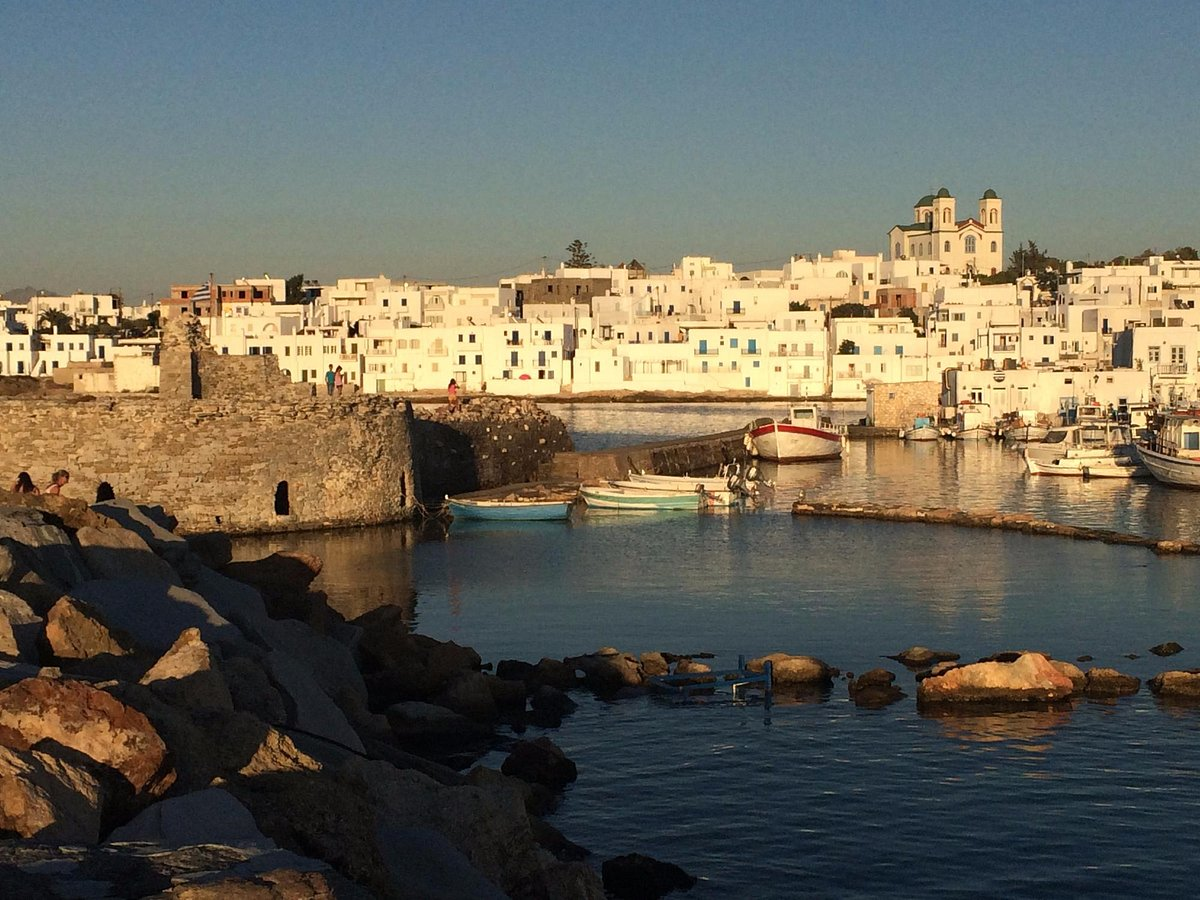
The Turkish maritime notice, numbered 1169/26, entered into force on November 23 and is scheduled to remain valid until December 12, 2026. It concerns an extensive maritime area south of Kastellorizo, one of Greece’s easternmost islands, located just a few kilometres from the Turkish coast.
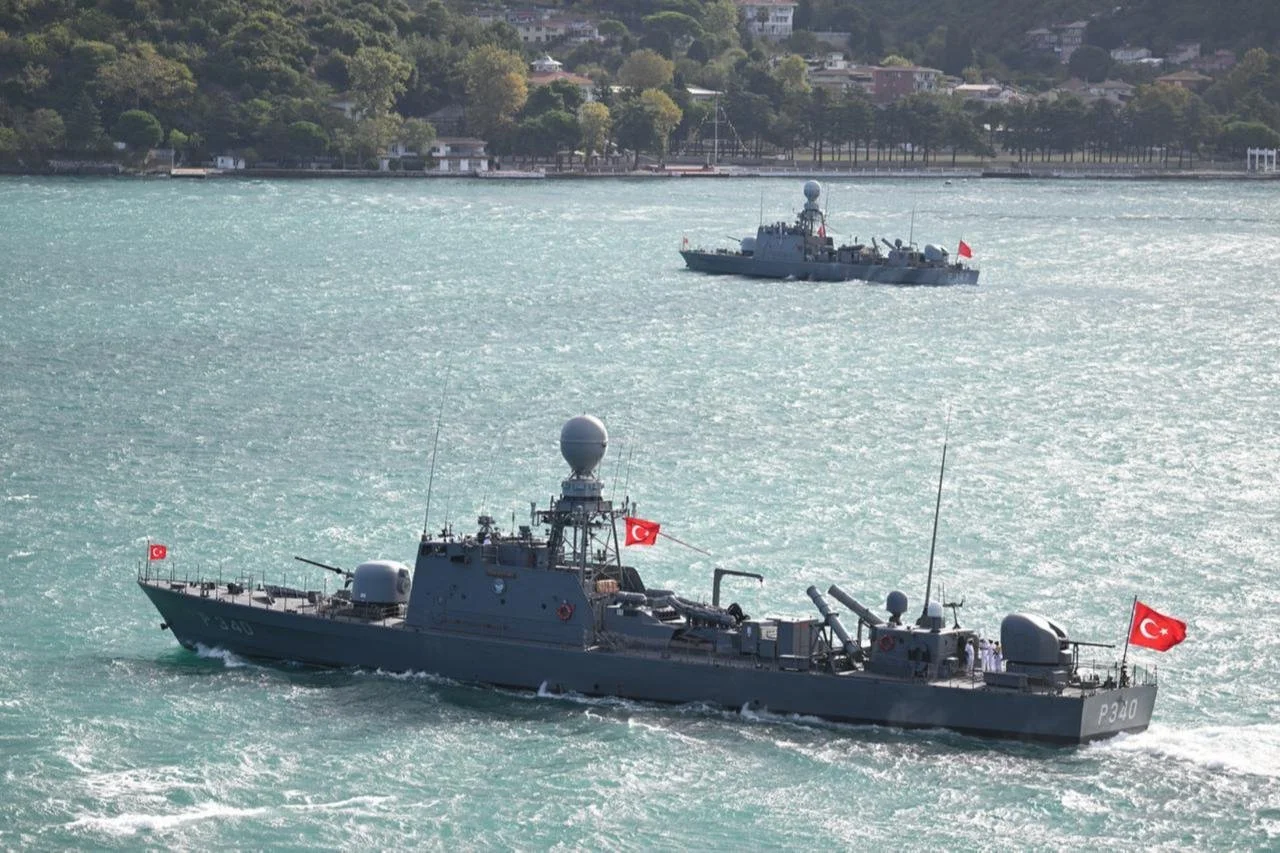
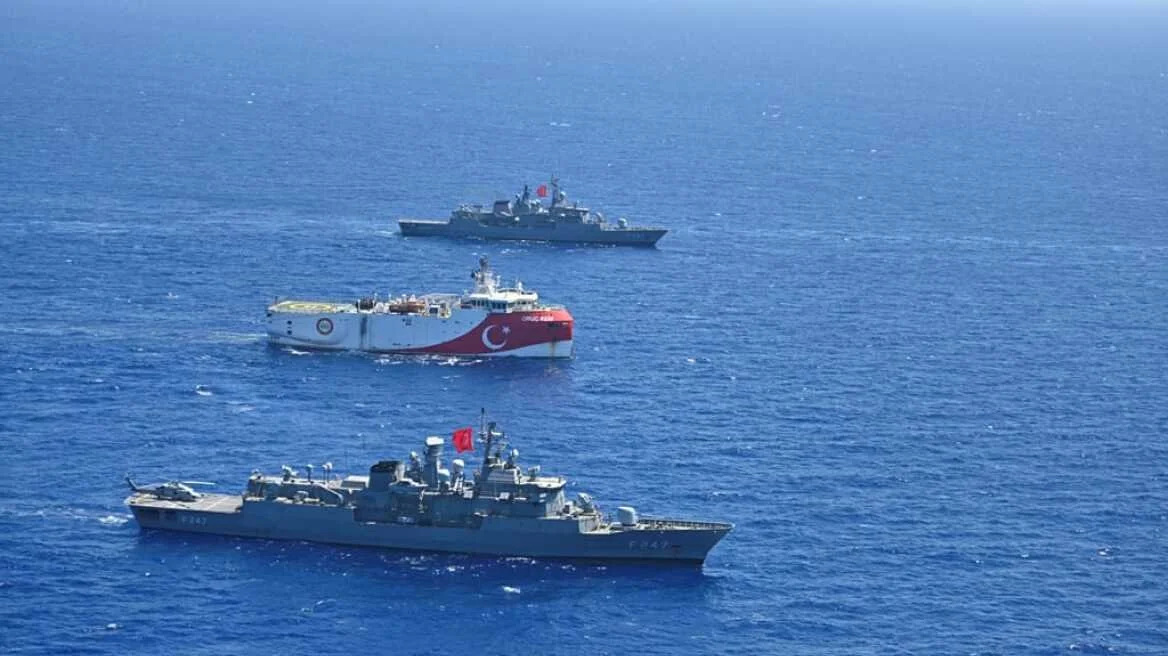
The activities are reportedly associated with the Turkish naval research vessel TCG Çeşme (A-599), which is expected to conduct hydrographic surveys in the designated area.
Kastellorizo at the Centre of Greek-Turkish Tensions
The area south of Kastellorizo is particularly sensitive because of its importance to Greece's maritime rights and the delimitation of maritime zones in the Eastern Mediterranean.
Under the United Nations Convention on the Law of the Sea (UNCLOS), islands generally generate territorial seas, Exclusive Economic Zones and continental shelves, subject to the applicable rules of maritime delimitation.
Greece maintains that Kastellorizo, like its other islands, is entitled to maritime zones under international law. Athens has consistently rejected attempts to disregard the maritime rights of Greek islands because of their geographical proximity to the Turkish mainland.
Turkey, which has not signed UNCLOS, maintains a different interpretation of the maritime entitlements of islands, particularly those situated close to its coastline.
Ankara’s Blue Homeland Strategy
The latest NAVTEX also brings renewed attention to Turkey’s controversial Blue Homeland (Mavi Vatan) doctrine, through which Ankara asserts extensive maritime claims across the Aegean and Eastern Mediterranean.
Greek officials have repeatedly stressed that Turkey cannot unilaterally determine maritime jurisdiction in areas where Greek sovereign rights and interests are involved.
For Athens, the fundamental issue is the respect of international law and the principle that islands cannot simply be excluded from maritime delimitation.
Why Greece Is Closely Monitoring the Situation
Kastellorizo holds particular strategic significance for Greece. Its maritime entitlements are an important element in the country's position regarding the Eastern Mediterranean and its maritime boundaries.
Any Turkish research activity in the surrounding waters therefore attracts close attention from Greek authorities, particularly when it takes place against the backdrop of unresolved maritime disagreements.
The new NAVTEX is scheduled to remain in effect until December 12. Developments in the coming days will be closely watched for any Greek diplomatic response and for further activity by the Turkish research vessel.
At the heart of the dispute remains a fundamental question: Will Turkey respect the maritime rights that Greece maintains its islands are entitled to under international law?