Introduction
Geothermal energy is heat stored beneath the Earth's surface. It originates from the planet's internal heat and from radioactive decay within rocks. In areas with active tectonic and volcanic processes, this heat can move closer to the surface through fractures, permeable rock layers, and circulating groundwater.
The island of Kos lies within the South Aegean volcanic arc, a region shaped by the interaction of tectonic plates and associated magmatic activity. This geological setting makes the surrounding Aegean an interesting area for studying geothermal systems.
The proposed Aegean Rift Geothermal Probes Off Kos suggests the use of offshore instruments and drilling technologies to investigate subsurface temperatures and geothermal fluids. Such research could help establish whether the area contains resources suitable for future energy development.
Geological Setting
The South Aegean volcanic arc developed in association with the subduction of the African Plate beneath the Aegean region. This tectonic setting has produced volcanic activity, crustal deformation, and complex fault systems.
Kos is part of the broader geological environment surrounding the volcanic centres of the South Aegean. Nearby volcanic islands and submarine structures demonstrate the importance of regional magmatic processes.
Geothermal systems can develop where heat from deep geological sources warms groundwater circulating through permeable rocks. The heated water may rise through faults and fractures, creating thermal springs or subsurface reservoirs.
However, the existence of a volcanic setting does not automatically mean that a commercially useful geothermal reservoir is present at every nearby location.
What Are Geothermal Probes?
Geothermal probes are instruments designed to measure conditions beneath the surface. Depending on their purpose, they may record:
Temperature at different depths.
Pressure within geological formations.
Fluid movement and circulation.
Electrical conductivity.
Chemical composition of groundwater.
Seismic activity and small-scale ground deformation.
Offshore investigations require specialised equipment capable of operating under marine conditions. Instruments may be installed on the seabed, deployed from research vessels, or placed within boreholes.
Offshore Exploration Methods
A geothermal exploration programme would usually begin with geological and geophysical surveys.
Marine seismic surveys can help identify sedimentary layers, faults, and structural boundaries. Magnetotelluric and electrical methods may provide information about subsurface conductivity, which can sometimes help identify fluid-bearing or altered geological formations.
Temperature measurements from shallow boreholes can offer preliminary information, but deeper drilling is generally necessary to establish reservoir conditions.
If a promising target is identified, exploratory drilling may investigate temperature, permeability, fluid pressure, and the chemical composition of geothermal water.
Potential Energy Applications
If a sufficiently hot and productive reservoir were confirmed, several applications might be considered.
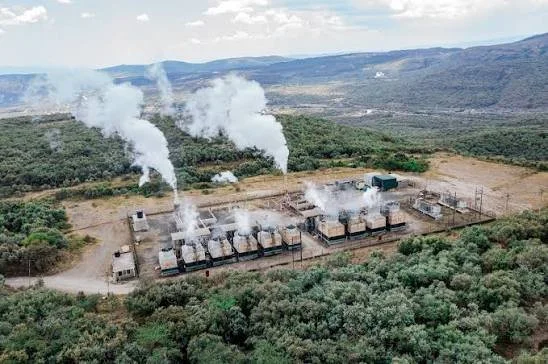
High-temperature geothermal fluids can potentially support electricity generation through suitable power-plant technologies. Lower-temperature resources may be useful for direct heating, agricultural applications, aquaculture, and industrial processes.
In some systems, heat pumps can use relatively moderate underground temperatures to support heating and cooling.
The appropriate technology would depend on the measured temperature, fluid chemistry, flow rate, depth, and reservoir sustainability.
Environmental Considerations
Offshore geothermal exploration must consider the marine environment. Drilling can disturb seabed sediments, generate noise, and introduce drilling fluids or other materials into sensitive environments.
Geothermal fluids may also contain dissolved salts and gases. Their handling and reinjection require careful engineering to avoid contamination and pressure changes.
Seismic monitoring is important because fluid injection and extraction can alter subsurface pressure. Although induced seismicity is not inevitable, it should be assessed during project planning.
Conclusion
Geothermal probes off Kos could contribute to understanding the relationship between Aegean tectonics, volcanic heat, and offshore groundwater systems. Their main value would be scientific: identifying temperature patterns, geological structures, and potential geothermal reservoirs. Any proposal for commercial energy production would require extensive drilling data, environmental assessment, and evidence of long-term resource sustainability.